

Nothing transforms a space quite like the addition of plants. They bring a refreshing, organic touch that instantly brightens any room. Whether you’re looking to add a touch of nature or fill an empty corner, plants are an easy way to create a fresh, airy vibe in your home.
But how do you decorate with plants without overcrowding the space or making it feel too cluttered? It’s all about finding the right balance, choosing the right plants, and placing them thoughtfully throughout your space.
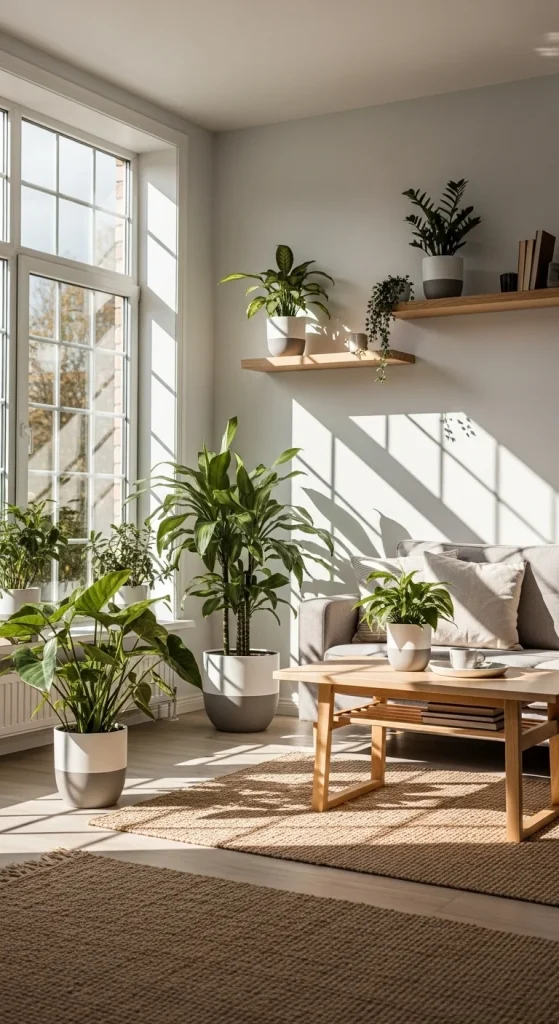
Choose the Right Plants for Your Space
The first step to decorating with plants is choosing the right ones for your space. Not all plants will work well in every room, so consider the lighting and size of your area before making your selection.
Best Plants for Different Spaces:
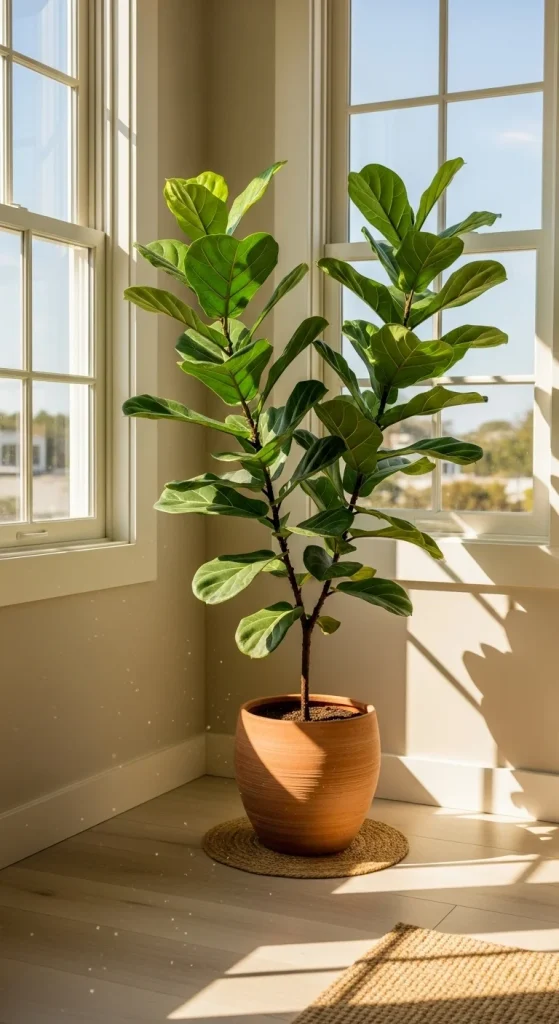
- Bright Rooms: Plants like succulents, fiddle leaf figs, and snake plants thrive in natural light.
- Low-Light Rooms: If your space doesn’t get much light, consider plants like pothos, ZZ plants, or peace lilies.
- Small Spaces: Opt for compact plants like aloe vera, air plants, or small ferns that won’t overwhelm your room.
- Hanging Spaces: Hanging baskets or trailing plants like ivy and string of pearls add greenery without taking up floor space.
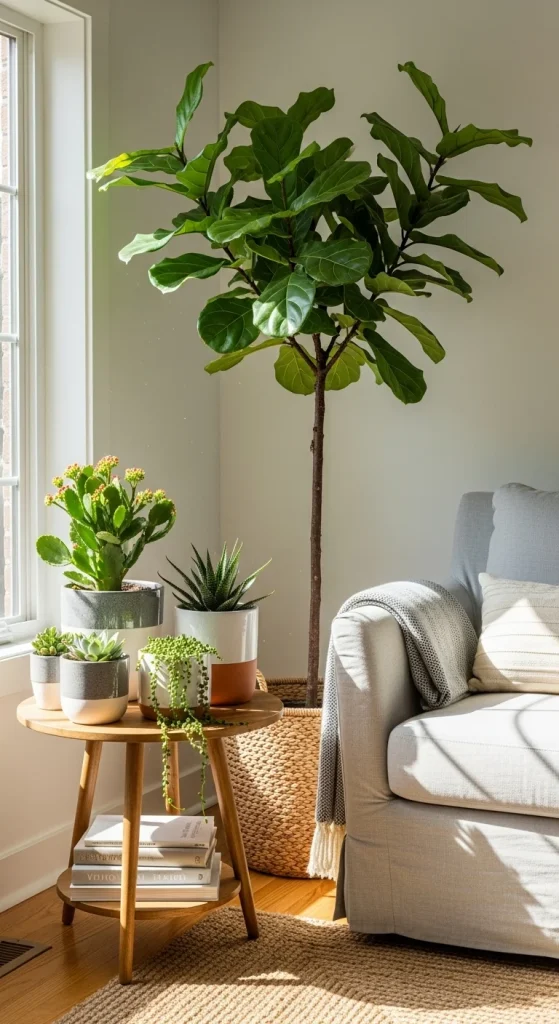
Use a Variety of Planters
Mixing and matching planters can add interest and style to your plant decor. From modern concrete pots to rustic woven baskets, the right planter can elevate the look of any plant and fit seamlessly into your home’s décor.
Planter Style Tips:
- Minimalist Look: Use sleek, modern pots in neutral colors like white, black, or concrete to create a calm and sophisticated vibe.
- Bohemian Style: Woven baskets, macramé hangers, and terracotta pots add texture and warmth to the room.
- Industrial Charm: Opt for metal planters or galvanized buckets for a more industrial, urban feel.
- Statement Planters: Go bold with colorful or uniquely shaped planters to make your plants pop as décor pieces.
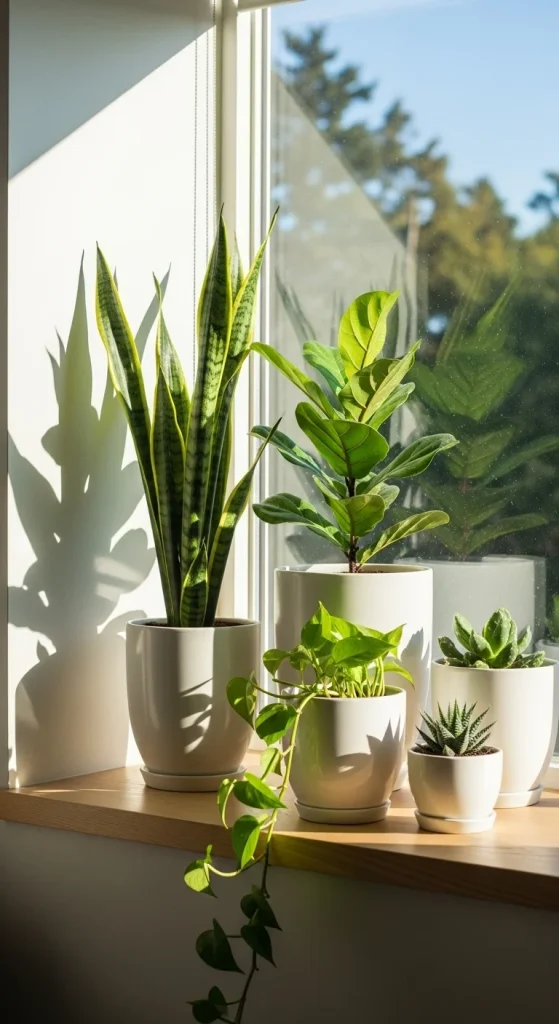
Create Plant Groupings for Visual Interest
Instead of scattering plants around your home, group them together to create a striking focal point. Arranging plants in clusters adds visual interest, making the greenery feel intentional and stylish.
Tips for Grouping Plants:
- Vary Heights and Sizes: Mix taller plants like a palm or fiddle leaf fig with shorter plants like succulents or herbs to create depth.
- Use Different Textures: Combine plants with different textures, such as the smooth leaves of a rubber plant with the soft, feathery fronds of a fern.
- Symmetry vs. Asymmetry: For a balanced look, arrange plants symmetrically; for a more relaxed vibe, go for an asymmetrical grouping.
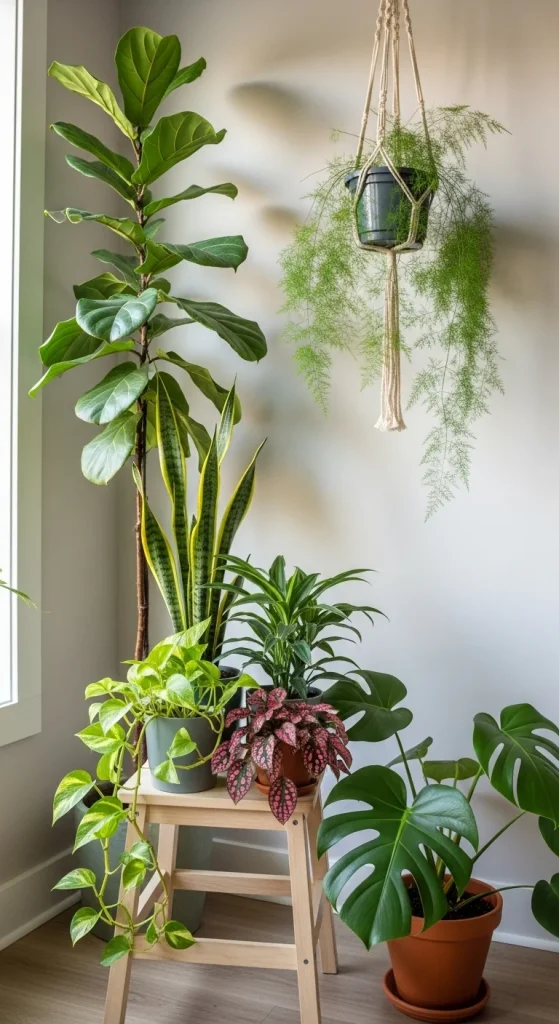
Incorporate Plants into Furniture and Shelving
One of the easiest ways to decorate with plants is to integrate them into your existing furniture or shelving. This method makes plants feel like an organic part of the space, blending with the decor rather than standing out as separate pieces.
Ideas for Plant Integration:
- On Bookshelves: Place small plants like aloe vera or trailing ivy between books for a natural touch.
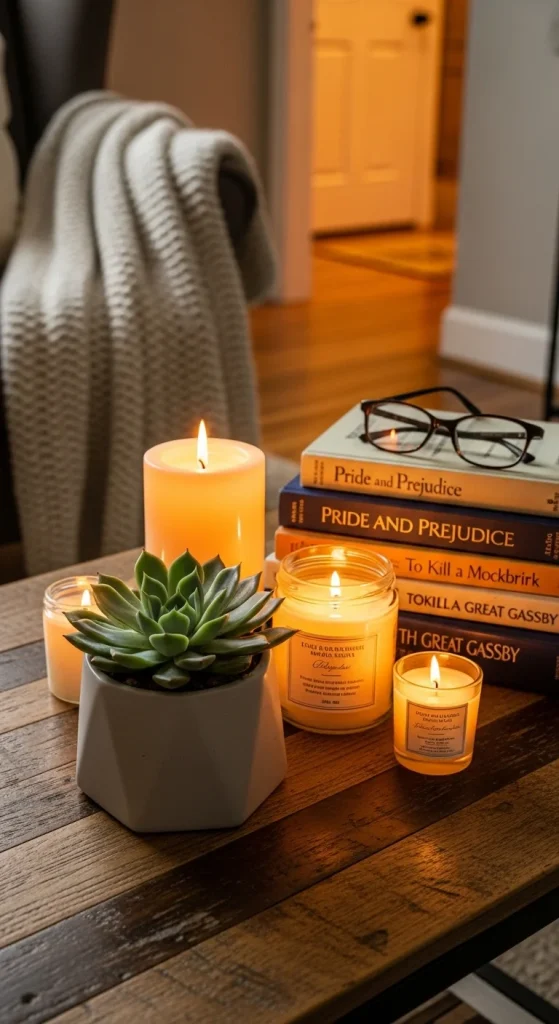
- On Coffee Tables: A small potted plant or succulent in the center of a coffee table adds life without overcrowding.
- On Side Tables: Adding a single plant to a side table creates a calming, nature-inspired focal point next to a chair or sofa.
Use Plants to Frame Windows and Doors
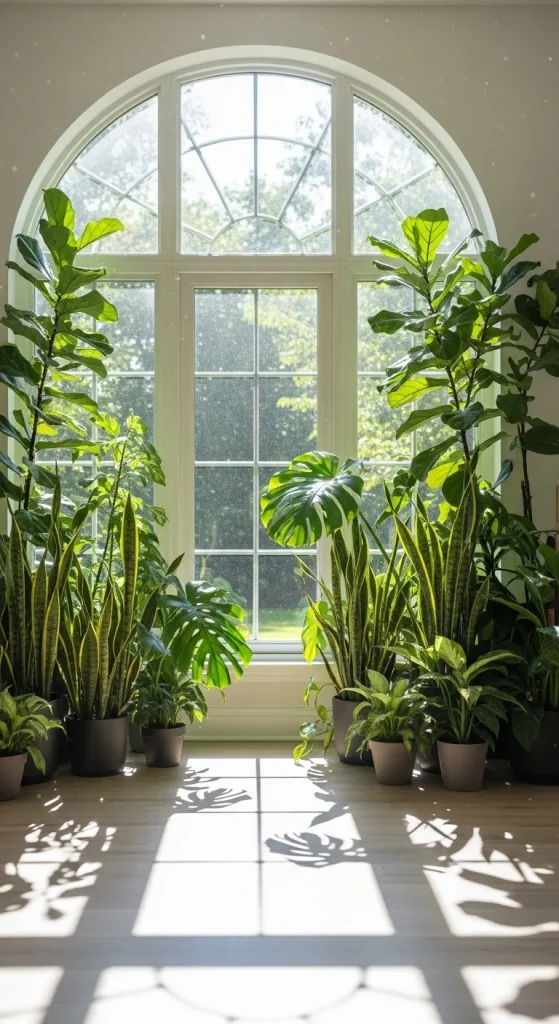
One of the best ways to add a fresh, airy feel to a room is by framing windows and doors with plants. The natural light will highlight your plants, and the greenery will make the room feel even brighter and more welcoming.
How to Frame with Plants:
- Tall Plants: Place tall plants like palm trees or bamboo near windows or doorways to create a natural frame.
- Hanging Plants: Consider hanging trailing plants like pothos or English ivy around windows to create a soft, cascading effect.
- Larger Plants Near Entryways: Place larger plants at the entrance to your home for an instant refresh when guests arrive.
Don’t Forget About Plant Care
While plants can instantly enhance your décor, they’ll only look their best if they’re well cared for. Make sure to choose plants that suit your lifestyle and be mindful of their specific care needs, such as watering, light, and humidity.
Basic Plant Care Tips:
- Watering: Overwatering is a common mistake. Ensure the plant’s soil has dried out before watering again.
- Light: Be mindful of how much light each plant needs. Some plants prefer direct sunlight, while others thrive in low light.
- Humidity: Some plants, like ferns, need extra humidity. A small humidifier can help maintain their health.
Final Thoughts
Plants are one of the easiest and most affordable ways to bring life and energy into your home. By choosing the right plants, varying your planters, and grouping them thoughtfully, you can create a space that feels fresh, airy, and full of natural beauty.
Save this guide for your next home refresh, and start filling your space with the calming beauty of plants today!

Emily Parker is a home décor enthusiast and design blogger who believes every space deserves a touch of warmth and personality. With a love for cozy neutrals, modern textures, and DIY styling, she shares simple, beautiful ways to make your home feel like you. When she’s not rearranging throw pillows, you’ll find her hunting vintage finds or sipping coffee while planning her next room refresh.
Leave a Reply