

Your bedroom should feel like an exhale. A place where your shoulders drop, your mind slows down, and sleep comes easier. But clutter, harsh lighting, and mismatched décor can quietly work against that calm—without you even noticing.
The good news? You don’t need a full makeover or expensive furniture to fix it. Small, thoughtful changes can completely shift how your bedroom feels.
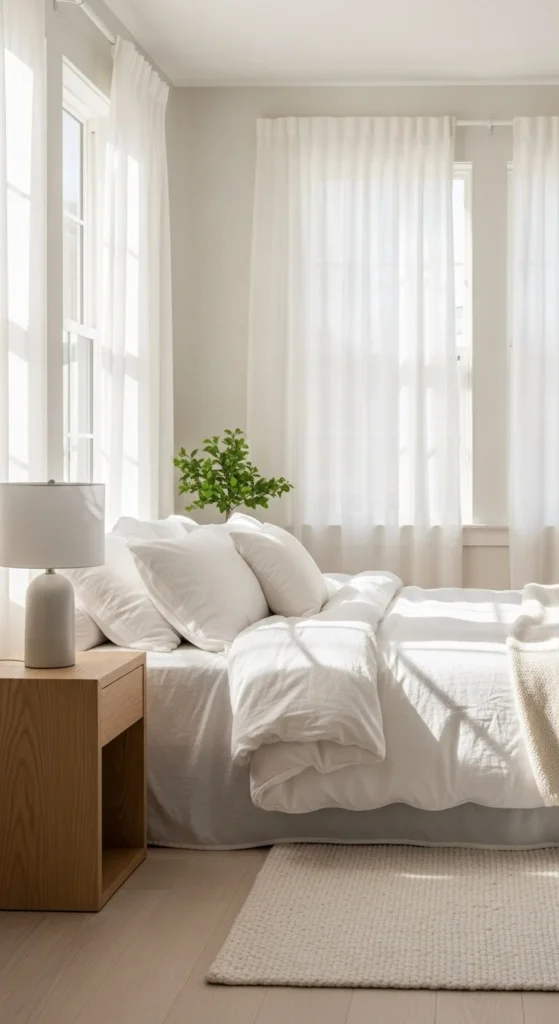
Below is a simple, step-by-step way to decorate a bedroom that feels calm, restful, and easy to live in.
Start With a Soft, Soothing Color Palette
Color sets the emotional tone of your bedroom. Loud or high-contrast colors can keep your brain alert when it should be winding down.
Aim for shades that feel gentle and grounded:
- Warm whites
- Soft beige or greige
- Pale sage
- Muted blue or dusty lavender
You don’t have to repaint everything. Even swapping bold bedding or curtains for calmer tones can make a big difference.
Quick tip:
If your walls are already bright, balance them with neutral bedding and simple décor to soften the look.
Layer Your Bedding for Comfort and Visual Calm
Your bed is the main focus of the room. When it looks inviting, the whole space feels more peaceful.
Think in layers instead of one heavy blanket:
- Breathable sheets (cotton or linen work well)
- A light quilt or duvet
- A soft throw folded at the foot of the bed
- Two sleeping pillows plus one or two decorative pillows

Stick to similar tones so the bed feels cohesive, not busy.
Less is more here.
Too many pillows or patterns can feel cluttered instead of cozy.
Choose Lighting That Feels Gentle, Not Harsh
Overhead lights are practical—but they’re rarely relaxing. The goal is soft, warm lighting that mimics evening light.
Add at least two of the following:
- Bedside lamps with warm bulbs
- A floor lamp in a corner
- Wall sconces for indirect light
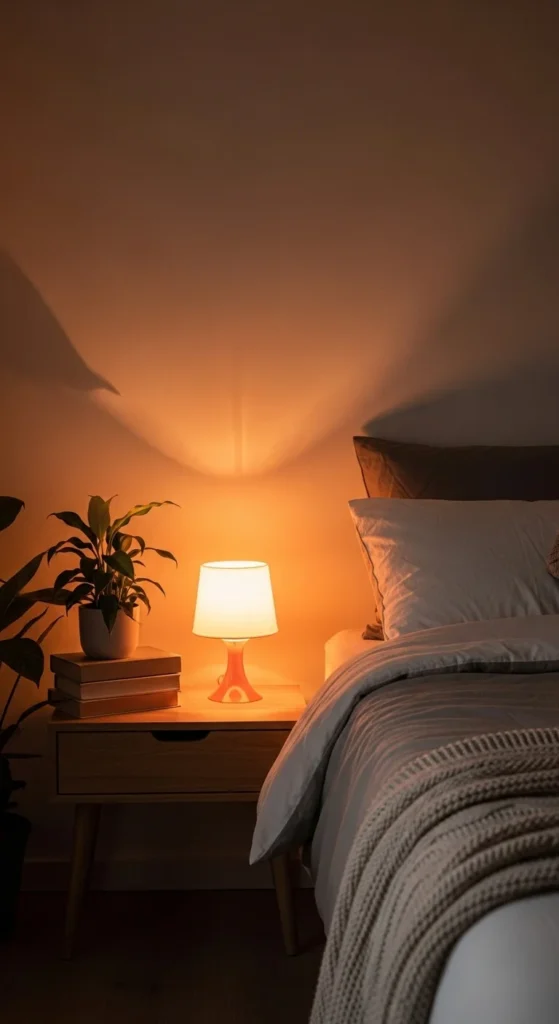
Lighting rule to remember:
If it’s bright enough to clean, it’s probably too bright for bedtime.
Dimmable bulbs are a great option if you want flexibility without changing fixtures.
Reduce Visual Clutter (This Matters More Than You Think)
Even a beautiful room can feel stressful if there’s too much going on. Your eyes should be able to rest when you look around.
Focus on:
- Clear nightstands (lamp + one or two items max)
- Hidden storage for chargers, books, and extras
- Removing décor that doesn’t add calm
Try this simple reset:
- Remove everything decorative from the room.
- Add back only what feels useful or peaceful.
- Stop before it looks “styled.”
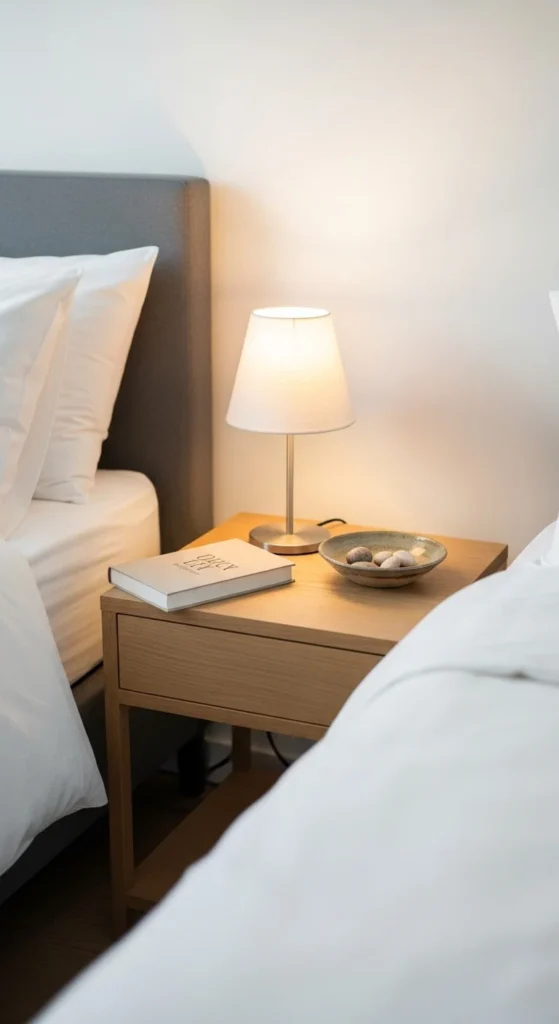
You’ll notice the difference immediately.
Bring in Natural Textures for Warmth
Calm bedrooms don’t feel cold or empty. Texture adds warmth without visual noise.
Easy ways to do this:
- Linen curtains instead of heavy drapes
- A woven rug under the bed
- Wooden or rattan accents
- Knit or wool throws
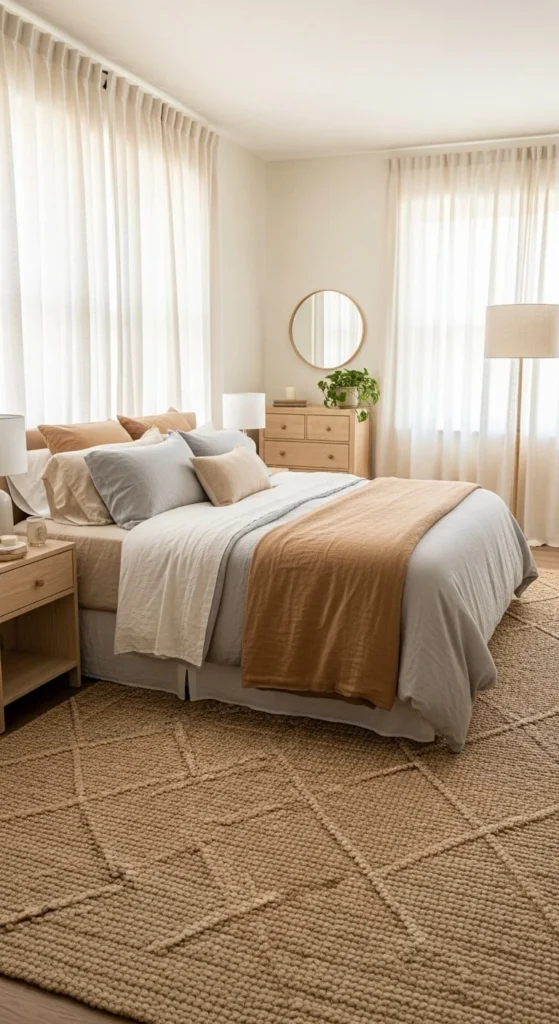
Mix textures, not patterns. This keeps the room interesting but still peaceful.
Add One or Two Grounding Decor Pieces
Decor should support rest—not distract from it.
Choose items that feel personal and calming:
- A small plant or dried stems
- One framed print or photo
- A ceramic vase or stone object
Avoid:
- Busy gallery walls
- Bold slogans or text art
- Too many decorative objects
If it doesn’t make you feel calm when you look at it, it doesn’t belong in a restful bedroom.
Make the Room Sound and Feel Quieter
Calm isn’t only visual. It’s also sensory.
Small upgrades that help:
- Thicker curtains to reduce outside noise
- A fabric headboard to soften sound
- A rug to absorb echo
- A simple white-noise machine if needed
These changes subtly tell your body it’s time to rest.
Final Touch: Make It Easy to Keep Calm
The best calm bedroom is one that stays calm.
Set it up so:
- Making the bed takes under two minutes
- Laundry has a clear place to go
- Nighttime essentials are within reach
When your space is easy to maintain, it stays restful longer.
The Takeaway
A calm bedroom isn’t about trends or perfection. It’s about soft colors, gentle lighting, fewer distractions, and cozy textures that help your body slow down.
You don’t need to do everything at once. Start with one change today—better bedding, warmer light, or less clutter—and build from there.
Save this guide for later and come back when your bedroom needs a reset.

Emily Parker is a home décor enthusiast and design blogger who believes every space deserves a touch of warmth and personality. With a love for cozy neutrals, modern textures, and DIY styling, she shares simple, beautiful ways to make your home feel like you. When she’s not rearranging throw pillows, you’ll find her hunting vintage finds or sipping coffee while planning her next room refresh.
Leave a Reply