

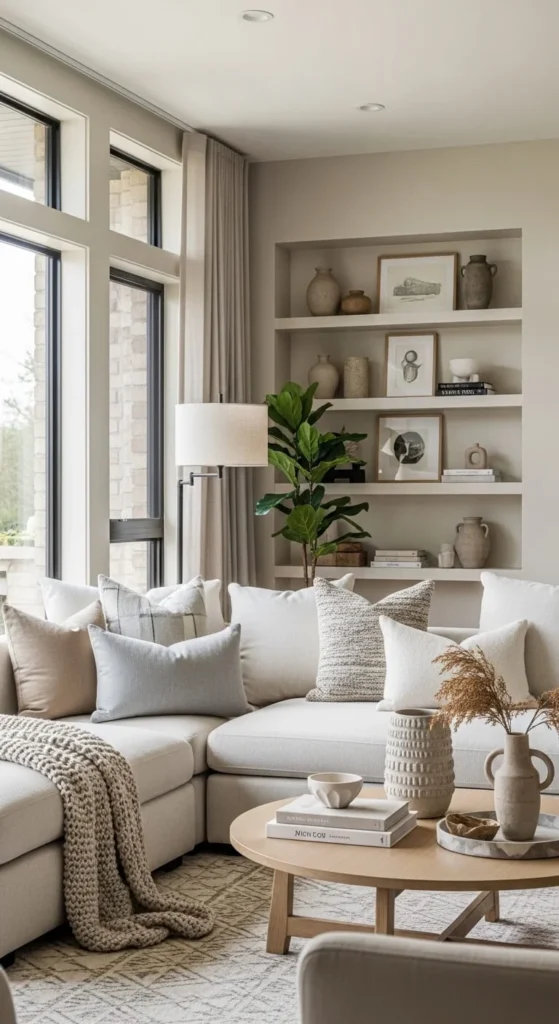
A chic living room does not depend on high price tags. What matters is restraint, balance, and a few smart choices that quietly signal care and taste. Small swaps can change how a space feels the moment someone walks in. Thoughtful lighting, consistent color, and simple styling habits often matter more than buying new furniture. These ideas focus on realistic changes you can make without stress or overspending. Each one helps your living room feel polished, calm, and intentionally styled.
1. Neutral Color Layers
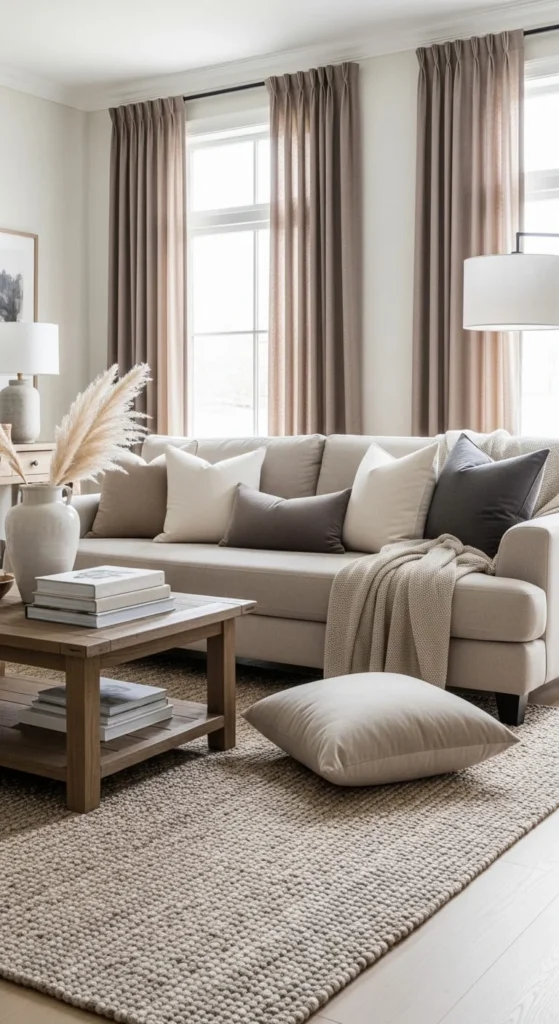
Neutral rooms feel calm and planned when tones are layered instead of matched. Start with one base shade, like warm beige or soft gray. Add two nearby tones through pillows, throws, or a rug. This keeps the room from looking flat. Paint is the cheapest way to start. A warm neutral on the walls creates a quiet backdrop that works with almost anything. Use fabric to add depth. Linen, cotton, and wool bring texture without loud patterns. Stick to solids or subtle weaves. If you already own colorful items, limit them to one or two pieces. A single accent looks intentional. Too many feel busy. Thrift stores are great for neutral textiles. Look for quality fabric and simple stitching. Even older pieces work when colors stay tight. Keep wood tones similar so nothing clashes. This approach makes the room feel steady and well thought out.
2. Oversized Area Rug
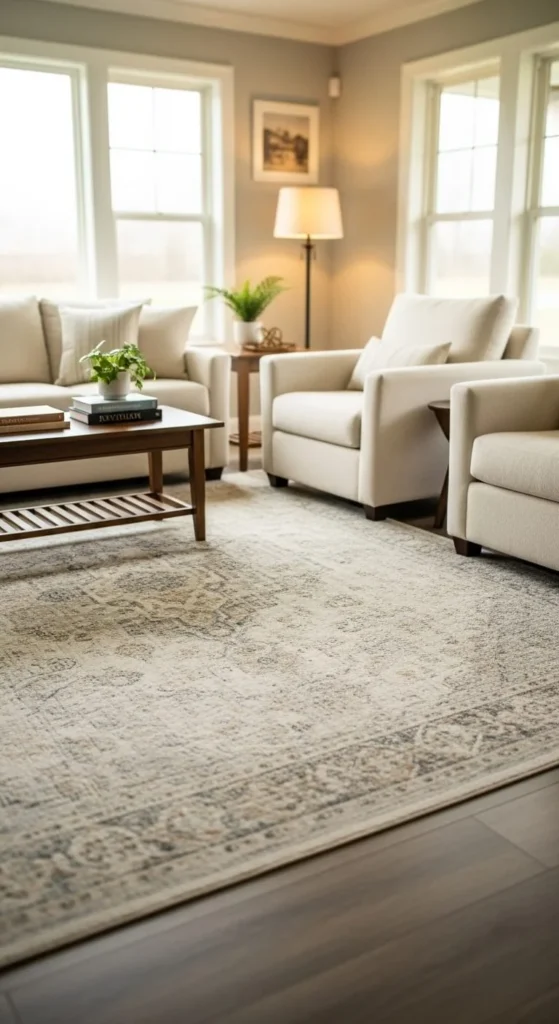
A rug that is too small makes a room feel unfinished. An oversized rug pulls furniture together and frames the space. The front legs of the sofa and chairs should sit on it. This simple change adds structure. You do not have to buy an expensive rug. Flatweave rugs often cost less and still look polished. Jute or wool blends also work well. Stick with muted colors or simple patterns. Loud designs distract the eye. Measure before buying. Many rooms need a larger rug than expected. If budget is tight, layer rugs. Place a large neutral base under a smaller patterned rug. This adds depth and looks intentional. Keep the rug clean and straight. Wrinkled edges ruin the effect. A good rug pad helps it sit flat and protects floors. This one detail can change how the whole room reads.
3. Floor-to-Ceiling Curtains
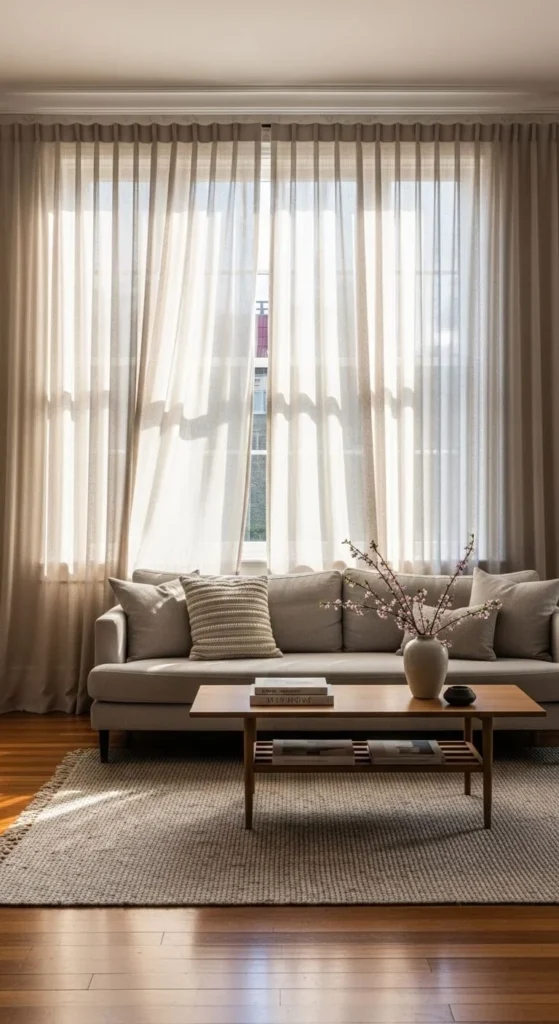
Short curtains cut the room in half. Hanging curtains close to the ceiling makes walls feel taller. Use rods placed several inches above the window frame. Let the fabric touch the floor or just skim it. Choose simple fabric without heavy patterns. Cotton, linen, or sheer blends work well. Light colors keep the room open. If privacy is a concern, layer sheers with thicker panels. Budget-friendly panels are easy to find. You can also buy longer curtains and hem them yourself. Iron or steam them before hanging. Wrinkles cheapen the look. Keep hardware simple. Black or brass rods with clean finials look classic. This small change adds height and softness, which reads as thoughtful styling.
4. Statement Lighting Fixture
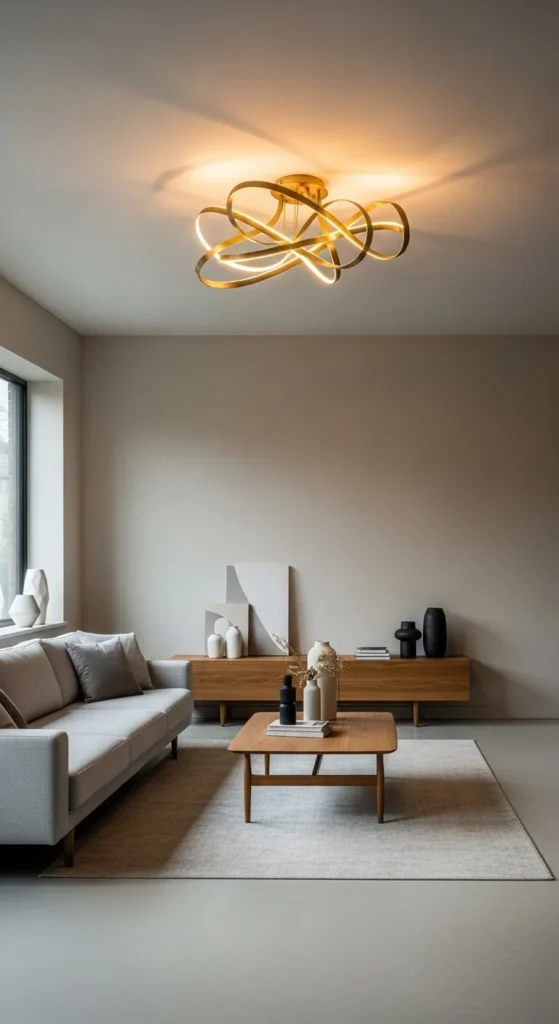
Lighting sets the mood more than almost anything else. Swap a basic ceiling light for a sculptural fixture. It does not have to be large or costly. Even a simple pendant with an interesting shape draws attention. Choose warm bulbs to avoid harsh light. One strong fixture works better than many small ones. Thrift shops and online marketplaces often have hidden gems. A fresh coat of spray paint can update an older piece. Keep the rest of the lighting simple. Floor lamps and table lamps should support the main fixture, not compete with it. This choice adds personality while keeping the room calm
5. Consistent Metal Finishes
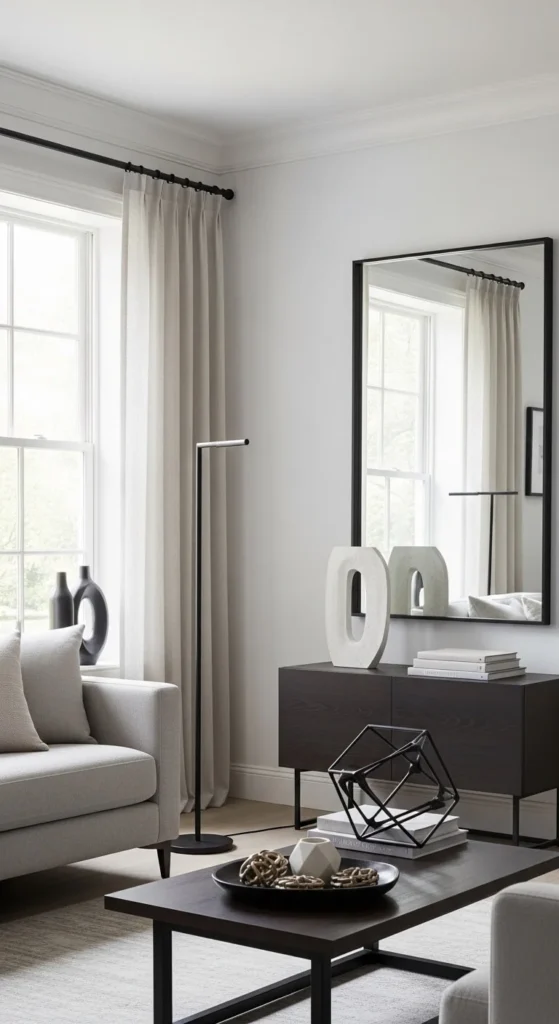
Mixing too many metal finishes creates visual noise. Pick one main finish and stick with it. Black, brass, or brushed nickel are easy choices. Look around your room. Match lamps, curtain rods, and small decor when possible. This does not mean everything must match perfectly. Similar tones are enough. If you already own mixed metals, group them by area. This makes the mix feel planned. Spray paint can unify pieces for very little cost. Clean lines matter more than shine. This quiet consistency makes the space feel pulled together.
6. Large-Scale Wall Art
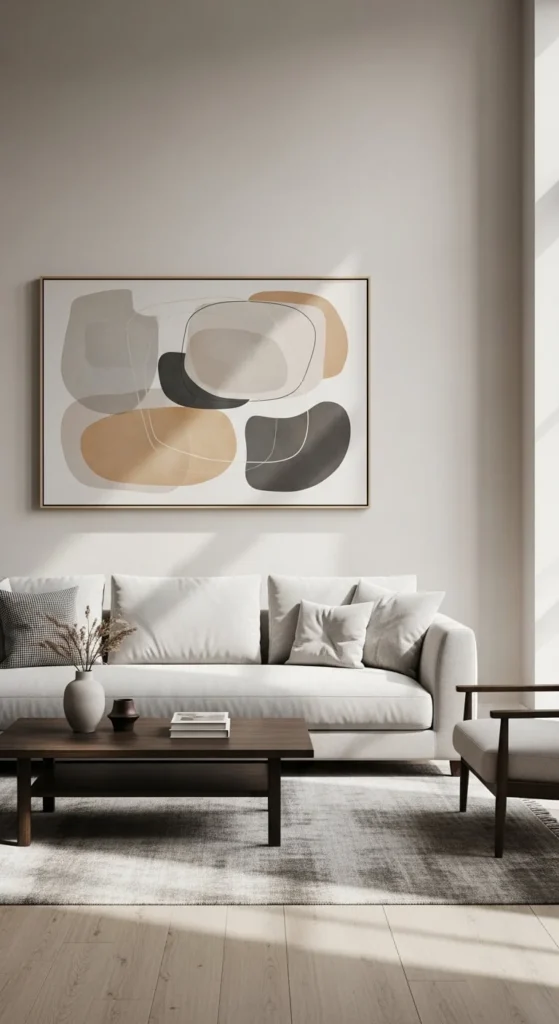
Small art scattered across a wall feels random. One large piece looks confident. It anchors the room and sets the tone. You do not need an original painting. Digital downloads printed large work well. Abstract photography or simple line art fits many styles. Frame matters. A thin black or wood frame keeps things clean. Hang art at eye level. Too high or too low throws off balance. If one large piece is not possible, create a tight pair or trio with matching frames. Keep spacing even. This approach feels intentional and calm.
7. Curated Coffee Table Styling
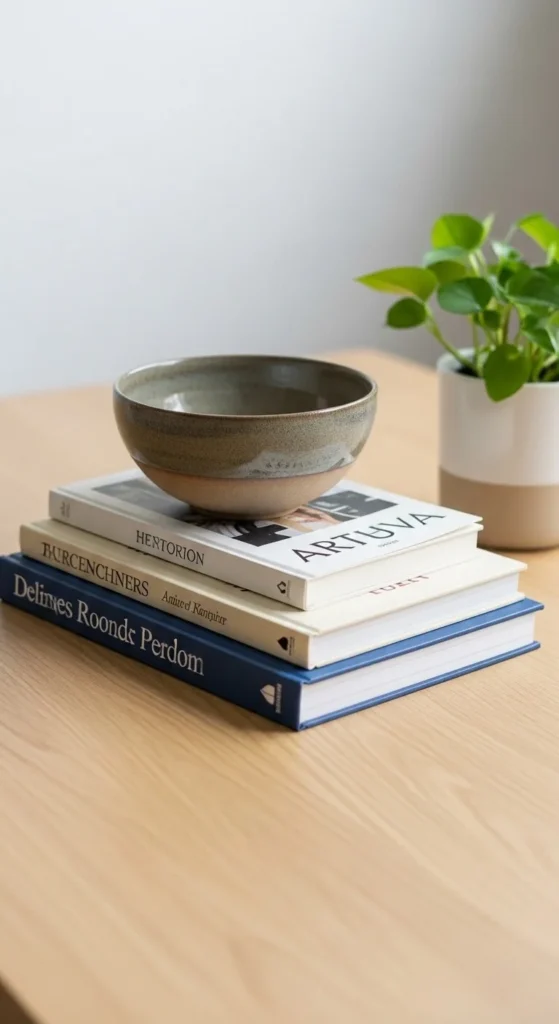
A coffee table should look styled but usable. Limit items to three or four pieces. Start with a small stack of books. Add one organic item like a plant or stone bowl. Finish with something personal, such as a candle or small object. Vary heights for interest. Leave empty space. Crowded tables feel messy. Thrift stores are great for books and bowls. Stick to neutral covers or remove dust jackets. This simple setup feels calm and lived-in.
8. Matching Throw Pillows
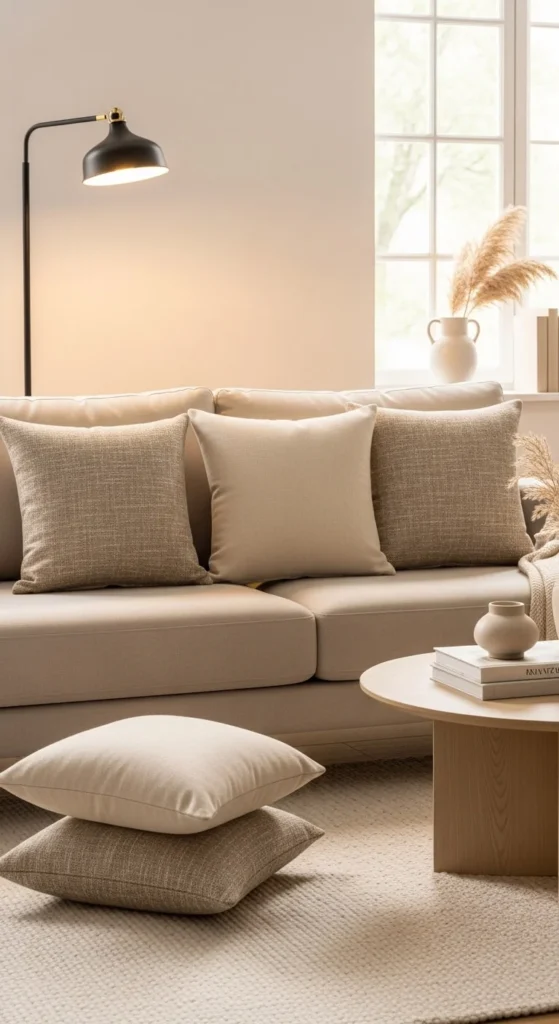
Too many pillow styles create clutter. Choose two or three fabrics and repeat them. Match colors closely. Texture adds interest without chaos. Linen, velvet, and wool are easy to mix. Keep sizes consistent. Odd sizes can look accidental. Pillow covers are cheaper than full pillows. Swap covers seasonally to refresh the room. This small detail adds polish fast.
9. Minimal Open Shelving
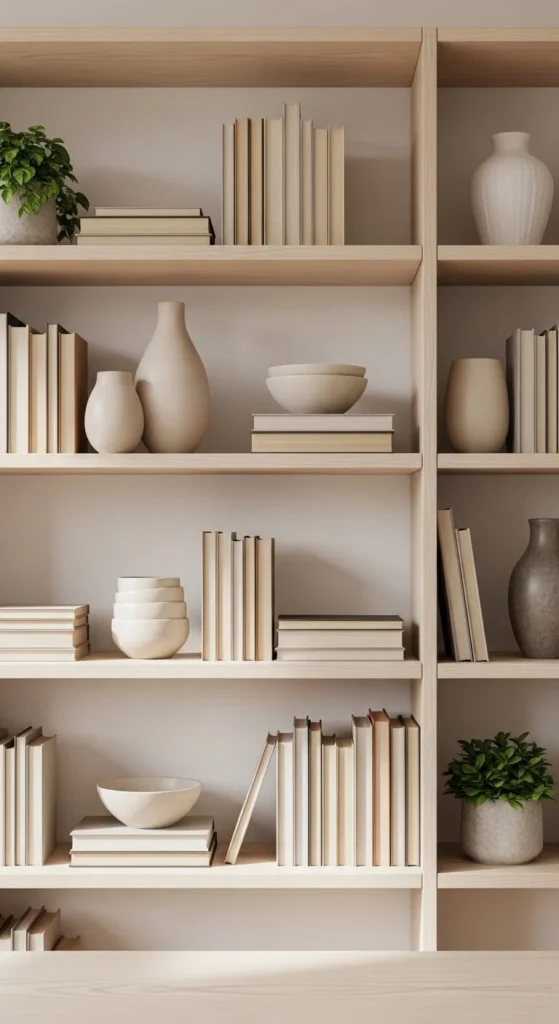
Open shelves look best when items are limited. Leave space between objects. Group items in odd numbers. Stick to a tight color range. Books should be stacked neatly, both vertical and horizontal. Mix in a few ceramics or plants. Avoid filling every inch. Negative space lets each item stand out. Edit often. Remove anything that feels random. This restraint reads as thoughtful and calm.
10. Quality Throw Blanket
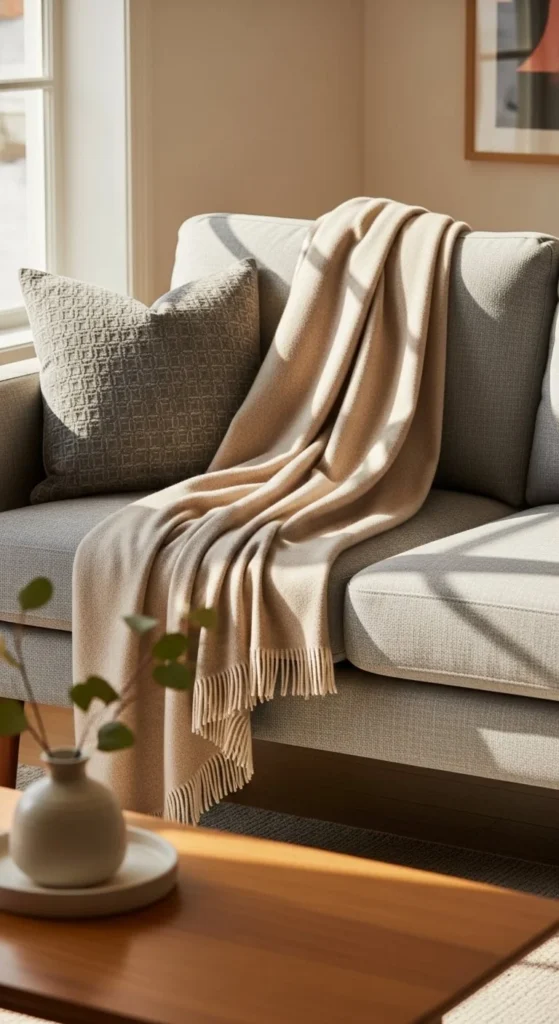
A throw blanket adds softness and comfort. Choose one with weight and texture. Wool blends or heavy cotton work well. Drape it casually over the arm of a sofa or chair. Avoid bright patterns. Solid colors or subtle weaves feel more refined. Thrift stores often have quality blankets. Wash and lint-roll before use. This small touch adds warmth without clutter.
11. Clean Furniture Lines
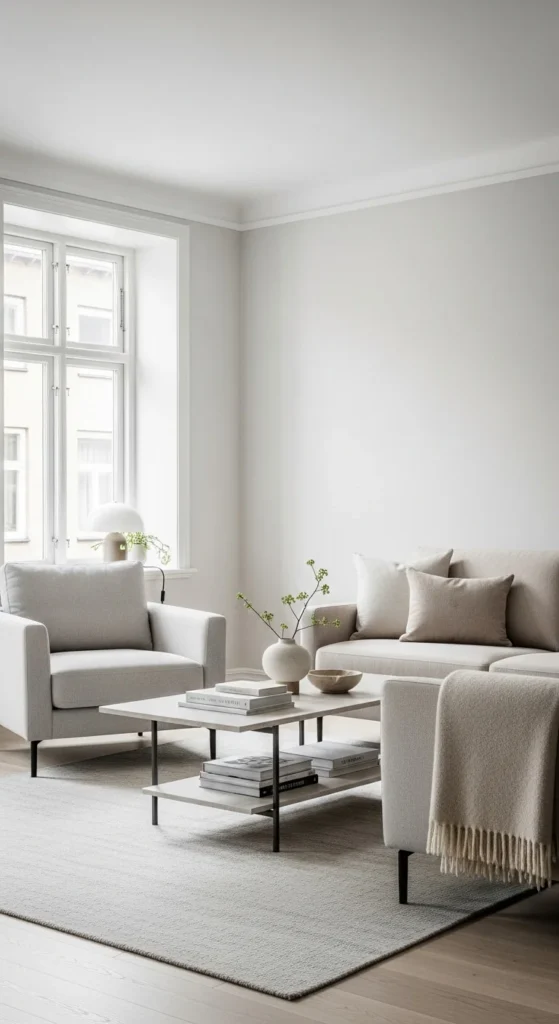
Furniture with simple shapes ages well. Avoid overly ornate details. Straight arms and low profiles feel modern and calm. If buying new is not possible, edit what you have. Remove extra cushions. Replace bulky slipcovers with fitted ones. Arrange furniture with space to breathe. Do not push everything against walls. Even a small gap adds intention. This layout choice changes how the room feels.
12. Balanced Furniture Spacing
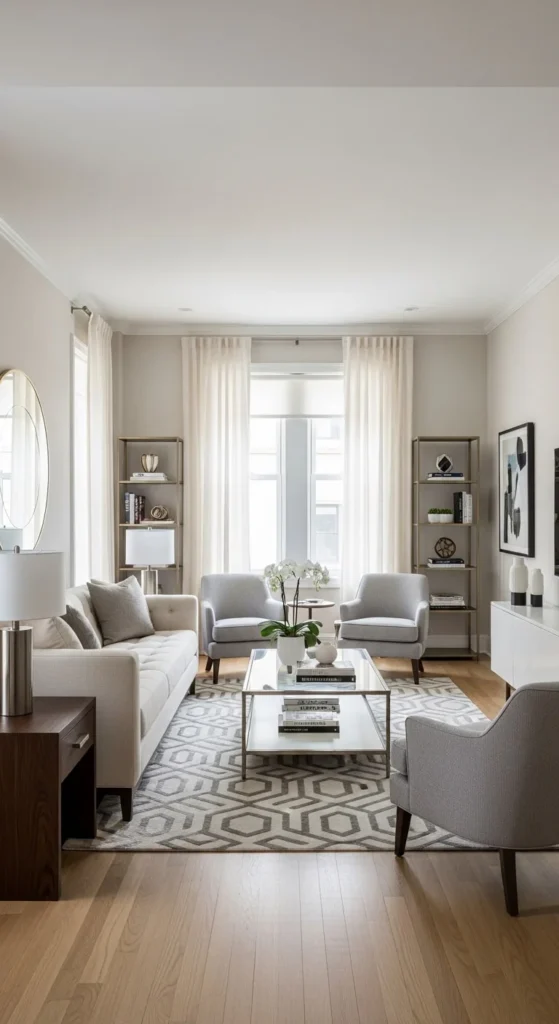
Crowded rooms feel stressful. Leave clear paths for walking. Space chairs and tables evenly. A few inches matter. Measure if needed. Balance visual weight across the room. If one side feels heavy, add a lamp or chair to the other. This creates harmony without buying anything new.
13. Subtle Pattern Use
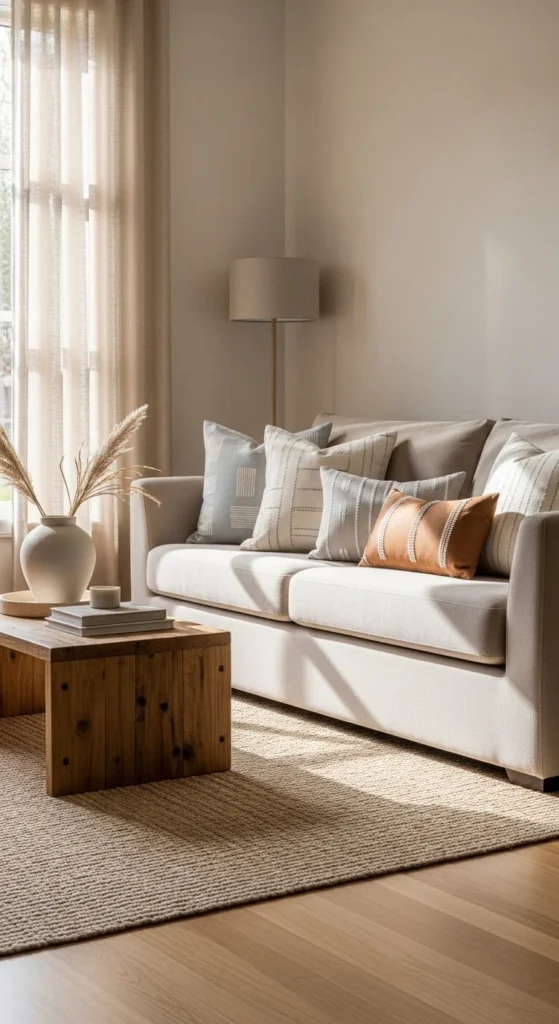
Patterns work best when quiet. Choose one or two small-scale patterns. Keep colors muted. Pair them with solids. This adds interest without noise. Avoid mixing many pattern styles. Stick to similar themes, like stripes with geometrics. This keeps the room calm and styled.
14. Real or High-Quality Faux Plants
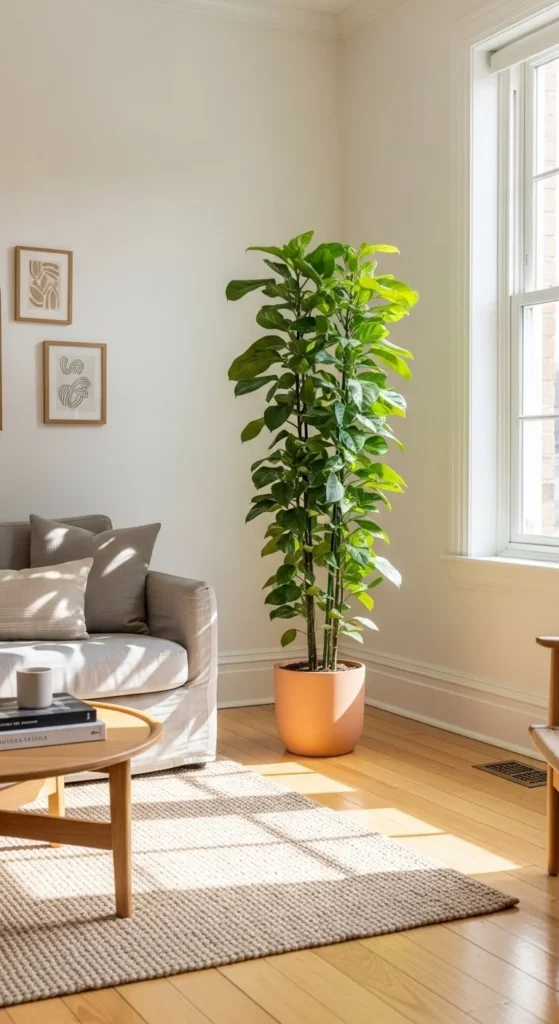
Plants add life instantly. One large plant works better than many small ones. Choose simple planters in neutral tones. If using faux plants, pick high-quality versions with realistic leaves. Dust them often. Place plants near light sources for a natural look. This adds softness and warmth.
15. Matching Wood Tones
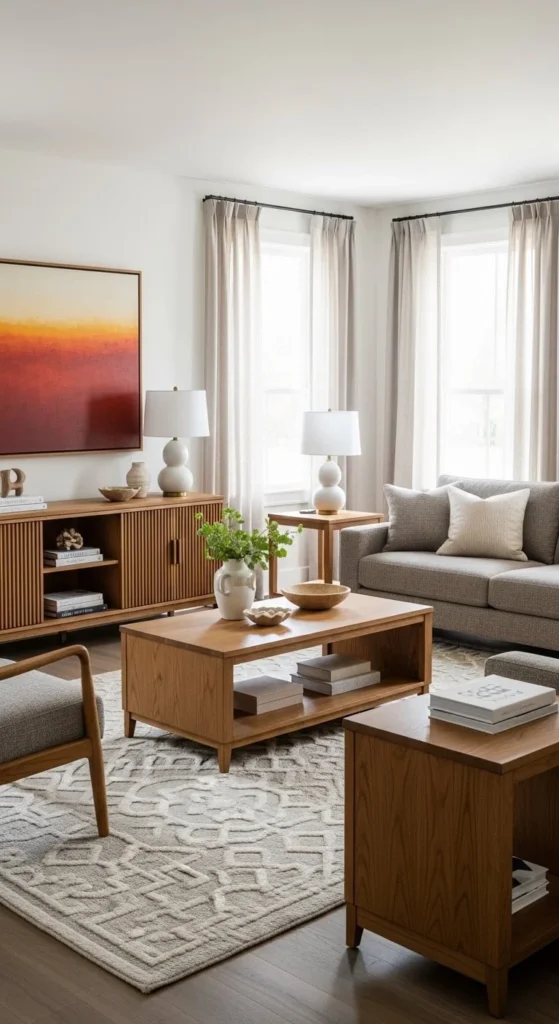
Wood tones should feel related. They do not have to match exactly. Warm with warm, cool with cool. Too many tones feel messy. If pieces clash, add a rug or textile to soften the contrast. Furniture markers or wax can help unify finish. This quiet consistency matters.
16. Simple Accent Chairs
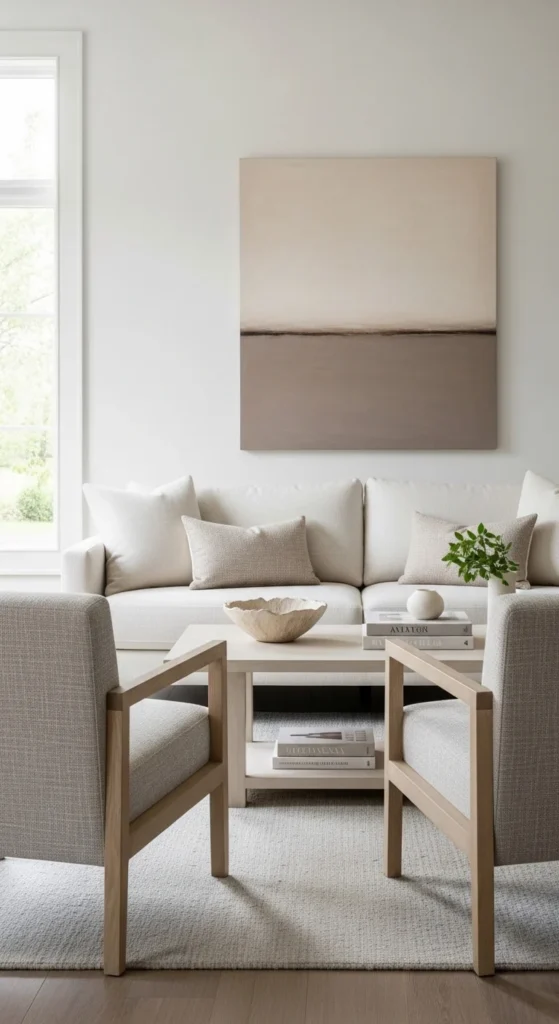
Accent chairs frame a space. Choose simple shapes. Avoid busy patterns. Place them with purpose, facing the sofa or angled slightly. Thrifted chairs can look great with new upholstery or slipcovers. Keep colors calm. This adds seating without chaos.
17. Layered Lighting Sources
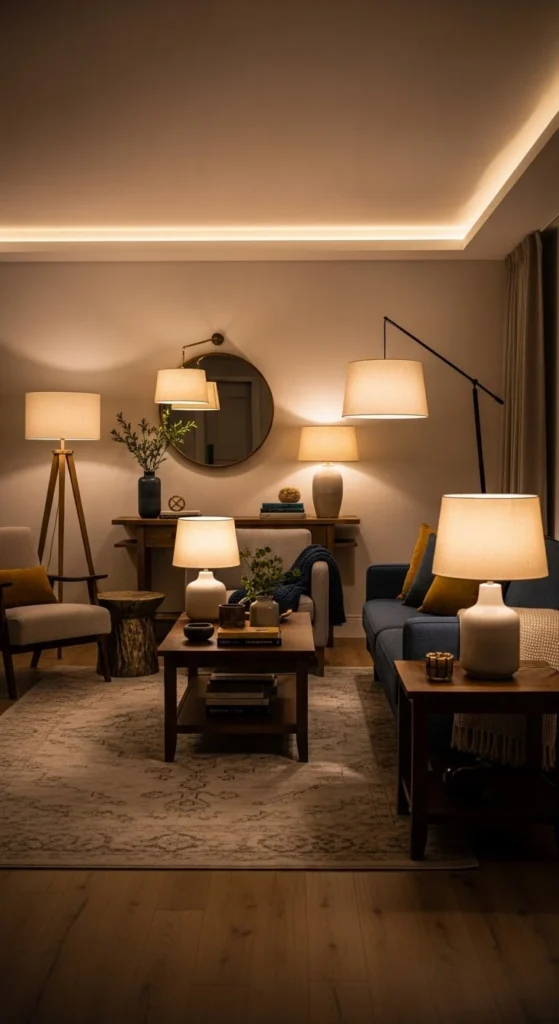
One light source is not enough. Use at least two or three. Floor lamps add height. Table lamps add warmth. Keep bulb color consistent. Warm light feels inviting. This layered setup changes the mood instantly.
18. Edited Decorative Objects
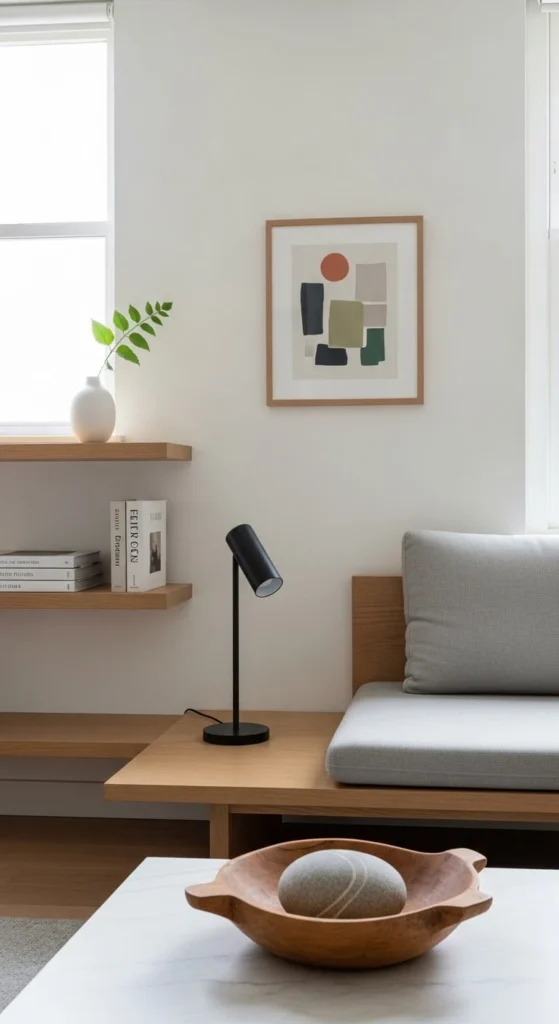
Decor works best when edited. Choose items with meaning or texture. Avoid filling space just to fill it. Rotate objects seasonally. Store extras out of sight. This habit keeps the room feeling calm and intentional.
19. Low Profile Media Setup
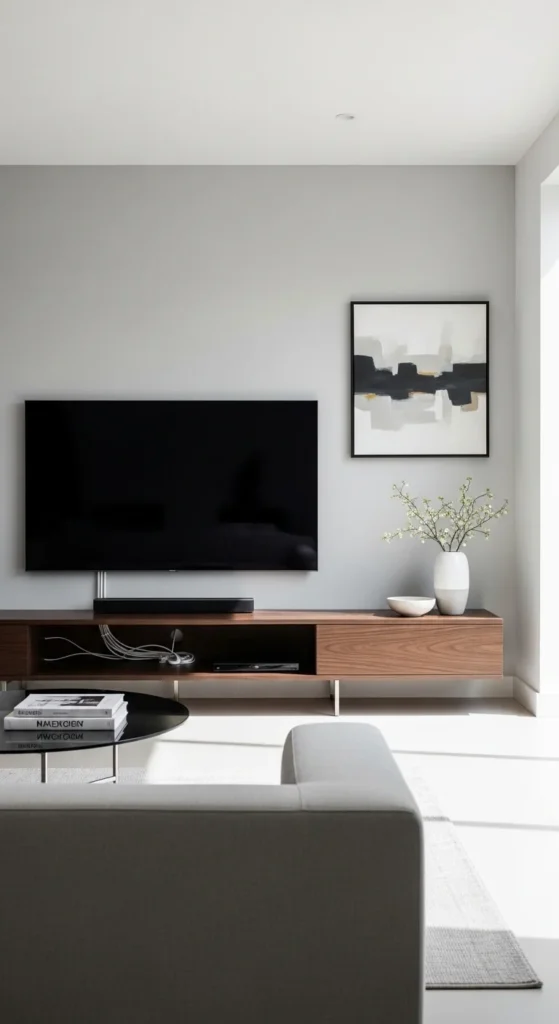
Media areas can ruin a room fast. Choose a low console with clean lines. Hide wires using clips or covers. Keep decor minimal around the screen. This reduces visual clutter and keeps focus on the room.
20. Neutral Upholstery Base
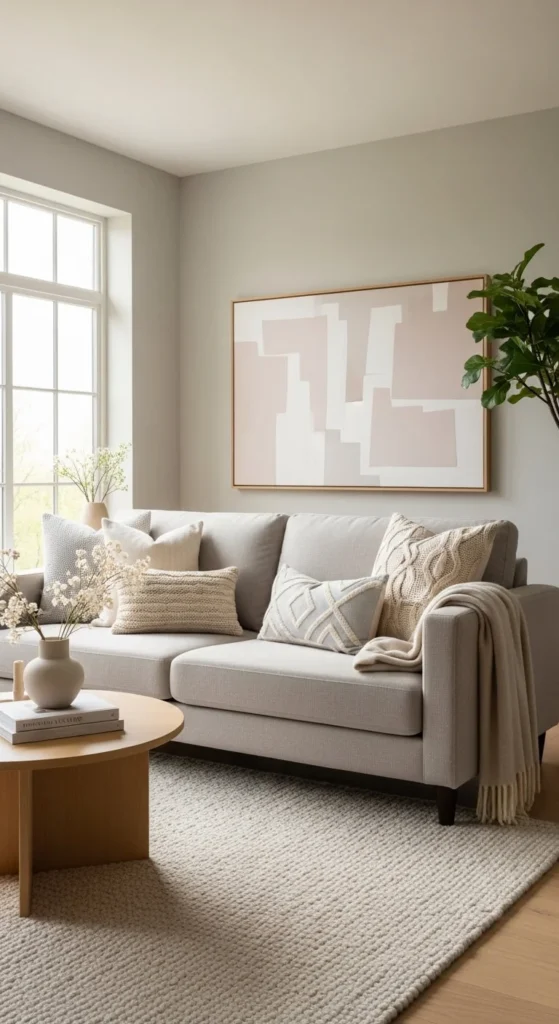
A neutral sofa anchors the room. It works with many styles and colors. Add interest through pillows and throws. This approach allows easy updates over time without replacing large furniture.
21. Thoughtful Symmetry
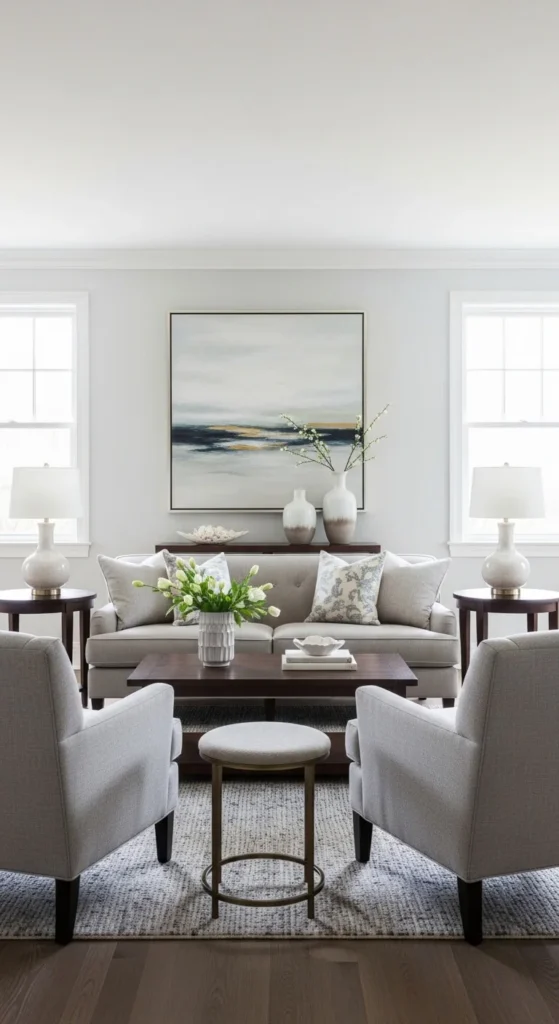
Symmetry feels calming. Matching lamps or chairs on either side of a sofa create order. It does not have to be perfect. Even loose symmetry helps the room feel steady.
22. Hidden Storage Solutions
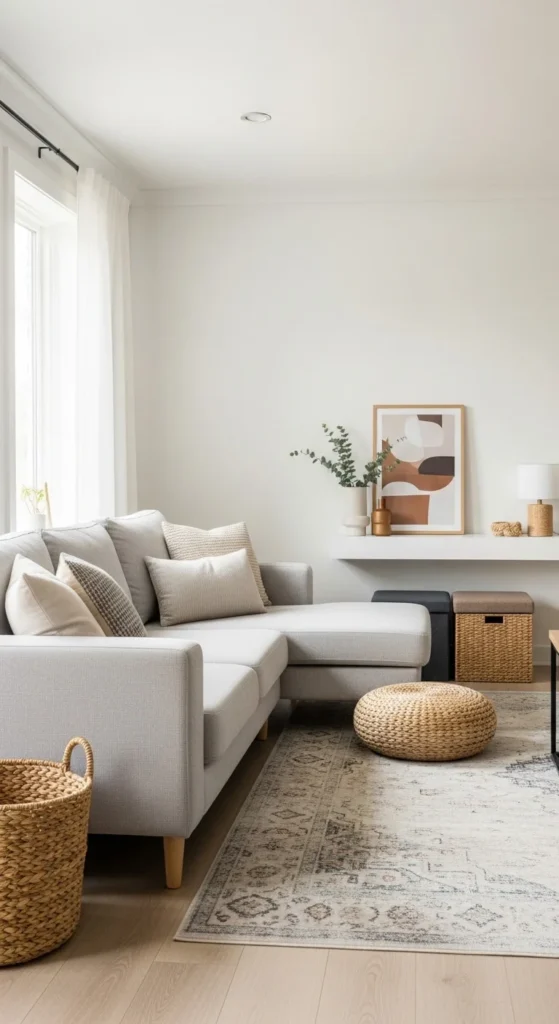
Clutter ruins style. Use storage ottomans or baskets to hide everyday items. Keep them neutral. Place them where they feel natural. This keeps surfaces clear and the room calm.
23. Regular Editing Habit
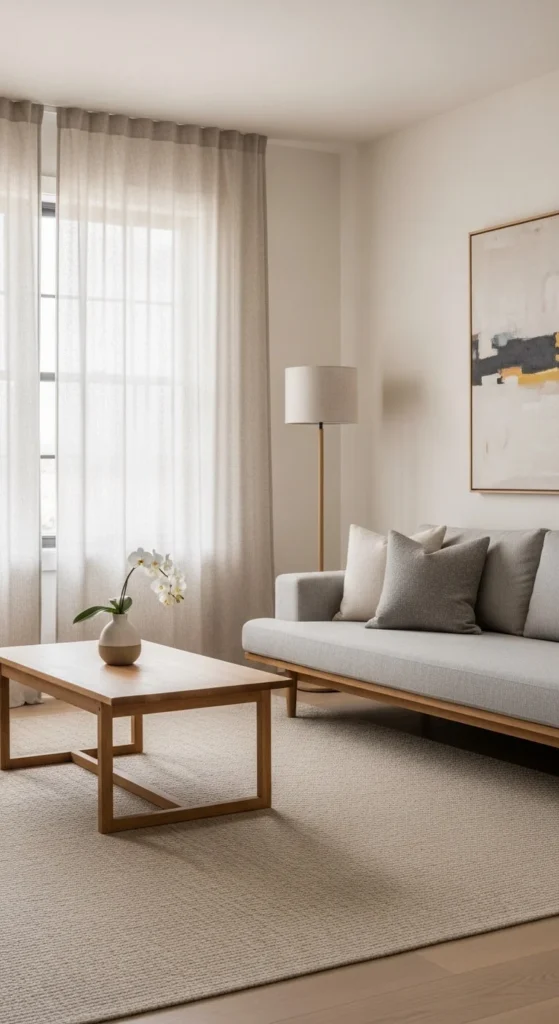
The most styled rooms are edited often. Remove items that no longer fit. Rearrange occasionally. This habit costs nothing and keeps the room feeling intentional. A few minutes each month makes a difference.
Conclusion
A living room that feels expensive comes from restraint, consistency, and simple choices made with care. You do not need a full makeover. Start with one or two ideas and build slowly. Edit often. Focus on calm colors, clear space, and thoughtful placement. These small actions add up and change how your home feels every day.
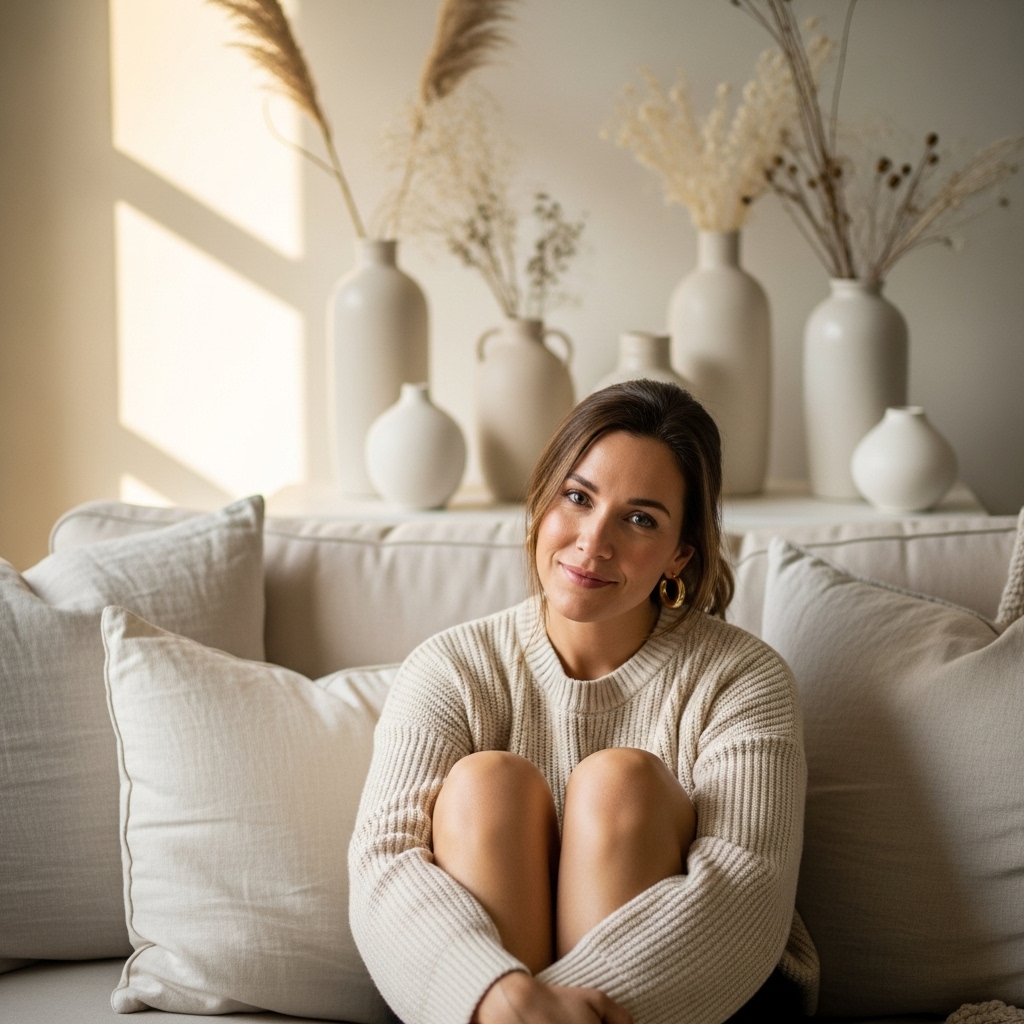
Emily Parker is a home décor enthusiast and design blogger who believes every space deserves a touch of warmth and personality. With a love for cozy neutrals, modern textures, and DIY styling, she shares simple, beautiful ways to make your home feel like you. When she’s not rearranging throw pillows, you’ll find her hunting vintage finds or sipping coffee while planning her next room refresh.
Leave a Reply