

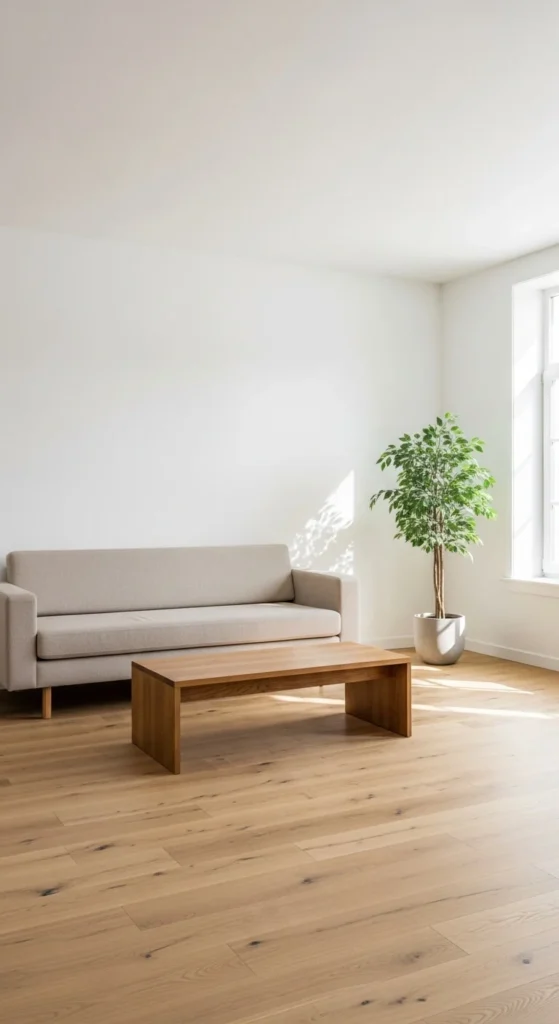
A calm home starts with fewer distractions and more breathing room. Minimalist decor is not about empty spaces. It is about choosing pieces with purpose and keeping what truly adds comfort. When done right, a minimalist space feels warm, simple, and easy to maintain. These sleek decor ideas will help you create a peaceful home without spending a lot of money or hiring a designer.
1. Choose a Neutral Color Base
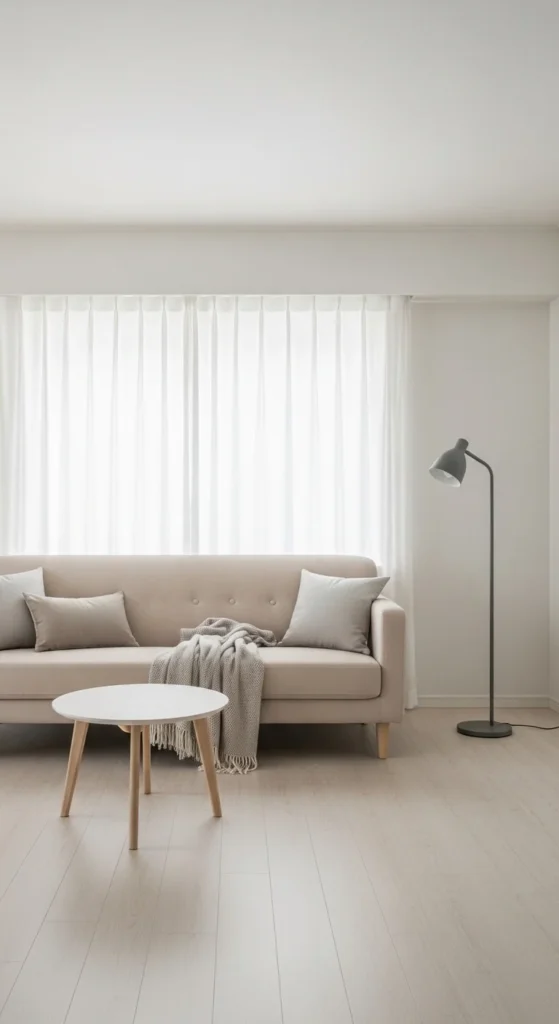
Start with soft whites, warm beiges, or light grays. These shades calm the eyes and make rooms feel larger.
You do not need to repaint everything at once. Focus on the biggest surfaces first. Walls. Large furniture. Curtains.
If buying new paint is not in your budget, try rearranging furniture so neutral pieces stand out more. Use slipcovers on bold couches. Affordable cotton covers can completely change the mood of a room.
Stick to two or three main colors. Too many shades can feel busy.
A simple color palette helps your decor look intentional. It also makes future decorating easier since everything will match naturally.
2. Keep Furniture Low and Simple
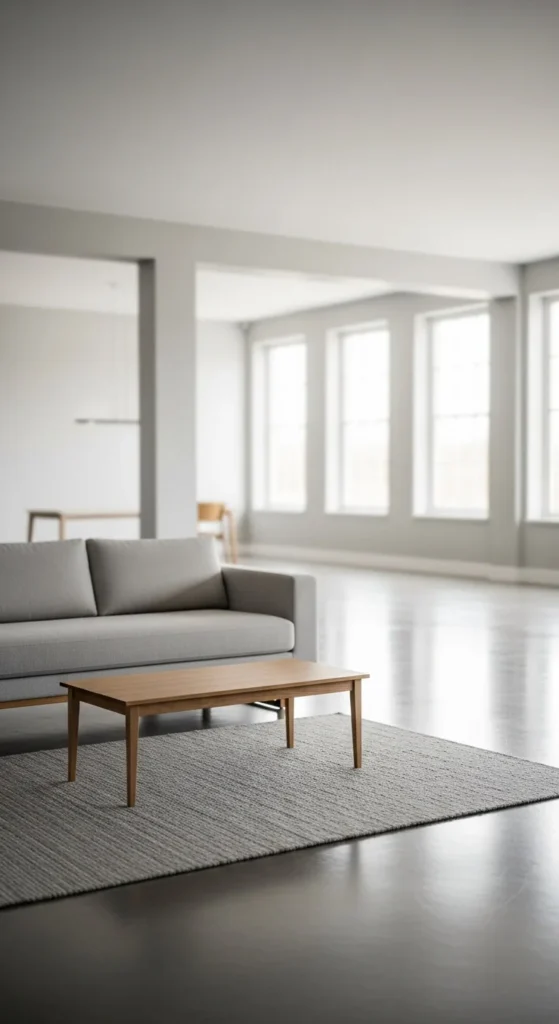
Low furniture creates visual space. It makes ceilings look higher and rooms feel open.
Look for sofas with clean lines. Avoid heavy details or bulky arms.
You do not have to buy new pieces. Remove extra cushions. Take off patterned throws.
Even switching out thick legs for slimmer ones can change the look. Many hardware stores sell affordable replacement legs.
Less visual weight means more calm. Your eyes can move easily around the room.
3. Use One Statement Piece
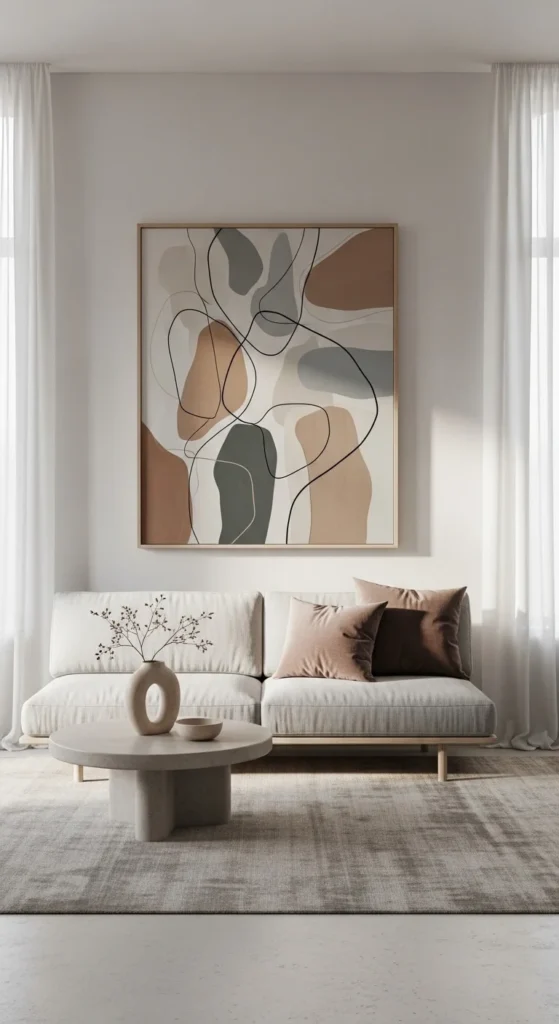
Minimalist decor does not mean boring. Choose one item that stands out.
It could be large art. A sculptural lamp. A bold chair.
Keep everything else subtle. That way the statement piece feels special instead of lost in clutter.
On a budget? Create your own art. Paint a large canvas in simple brush strokes using leftover paint.
One strong focal point keeps your space interesting while still calm.
4. Declutter Surfaces Daily
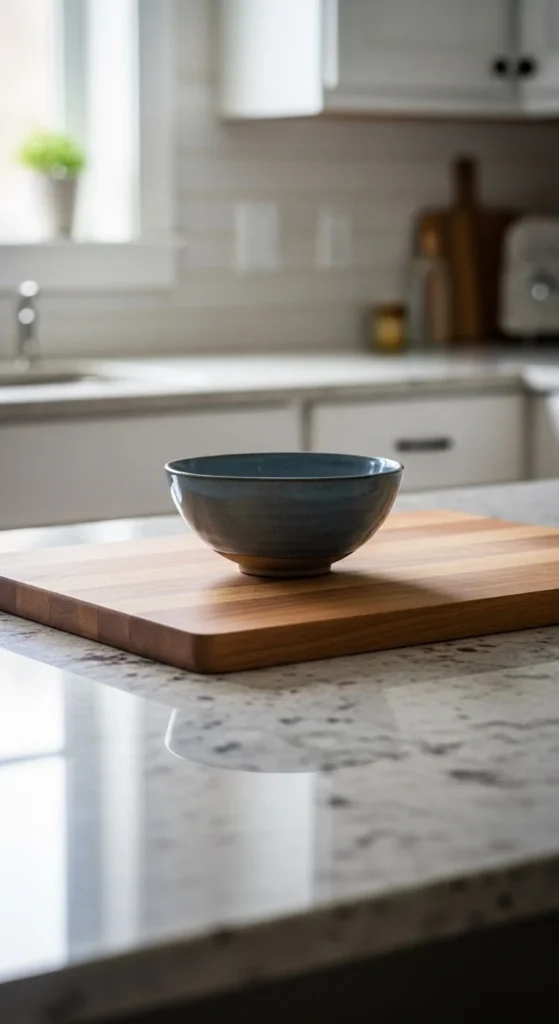
Clear surfaces instantly reduce stress.
Start small. Clear one table or counter. Put away anything not used daily.
Use trays to group items like keys or candles. Grouping makes fewer visual interruptions.
Make it a five-minute habit each evening. Wipe and reset surfaces before bed.
The room will feel lighter every morning.
5. Add Hidden Storage
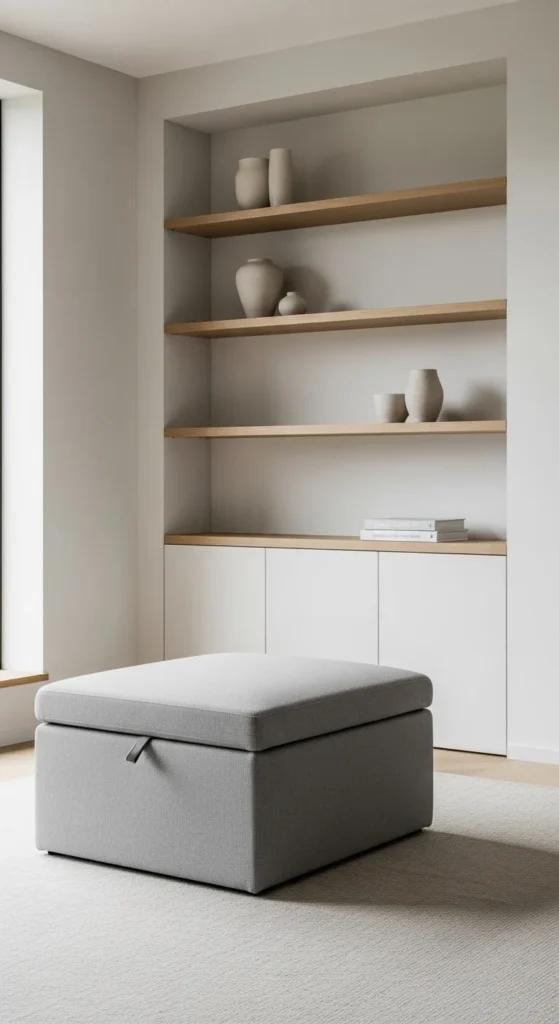
Clutter builds when there is nowhere to put things.
Choose furniture that hides storage. Ottomans. Benches. Coffee tables with drawers.
Even simple baskets with lids can work. Choose natural materials like cotton or woven seagrass.
When everything has a home, the room stays calm without constant effort.
6. Let in Natural Light
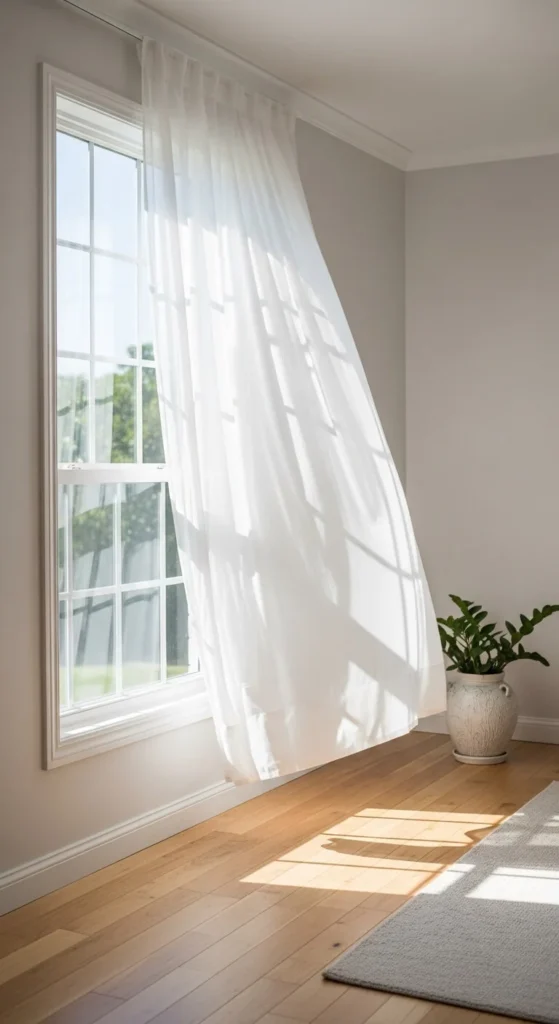
Heavy curtains can make rooms feel closed off.
Switch to sheer panels. They are affordable and easy to hang.
Keep windows clean. Remove unnecessary blinds.
Natural light highlights clean lines and soft colors. It makes the space feel open and peaceful.
7. Use Natural Materials
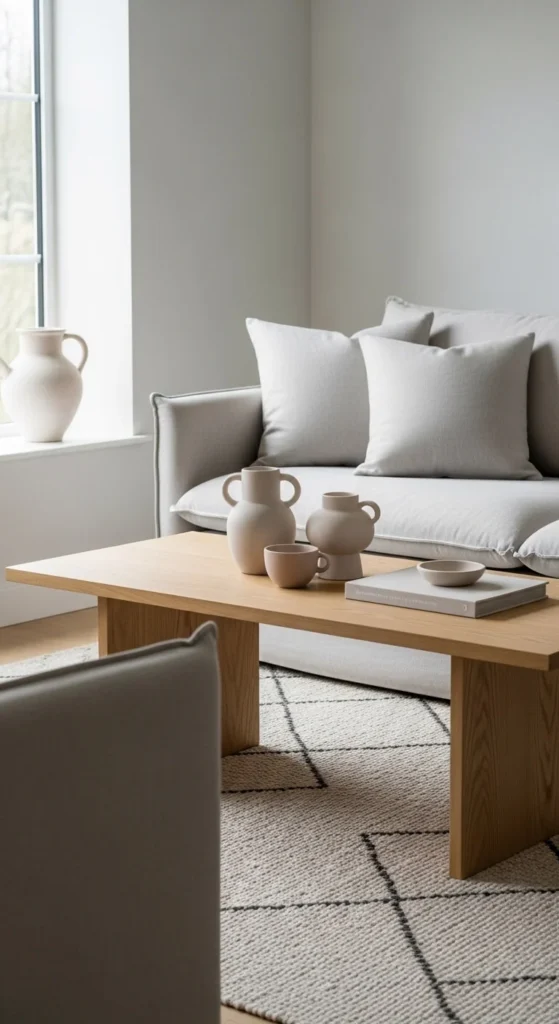
Wood. Linen. Cotton. Stone.
These materials add warmth without visual noise.
You do not need designer brands. Thrift stores often have solid wood tables that can be sanded and refinished.
Mix textures but keep colors soft. This adds depth without clutter.
8. Keep Decor Symmetrical
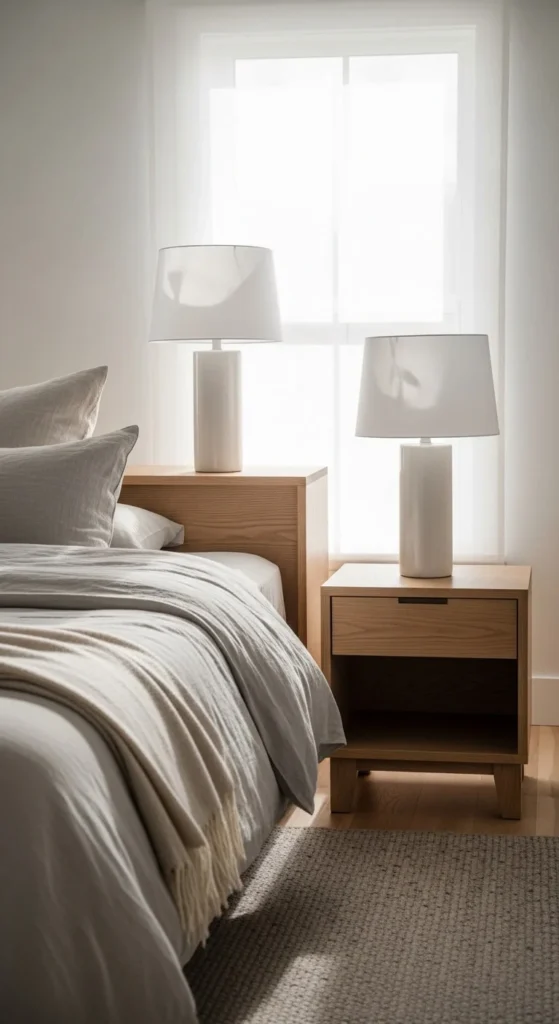
Symmetry feels balanced.
Place matching lamps on each side of the bed. Center art above furniture.
Even spacing creates order.
You can create symmetry with budget finds. Two identical secondhand lamps painted the same color look cohesive.
Balance brings visual calm instantly.
9. Choose Quality Over Quantity
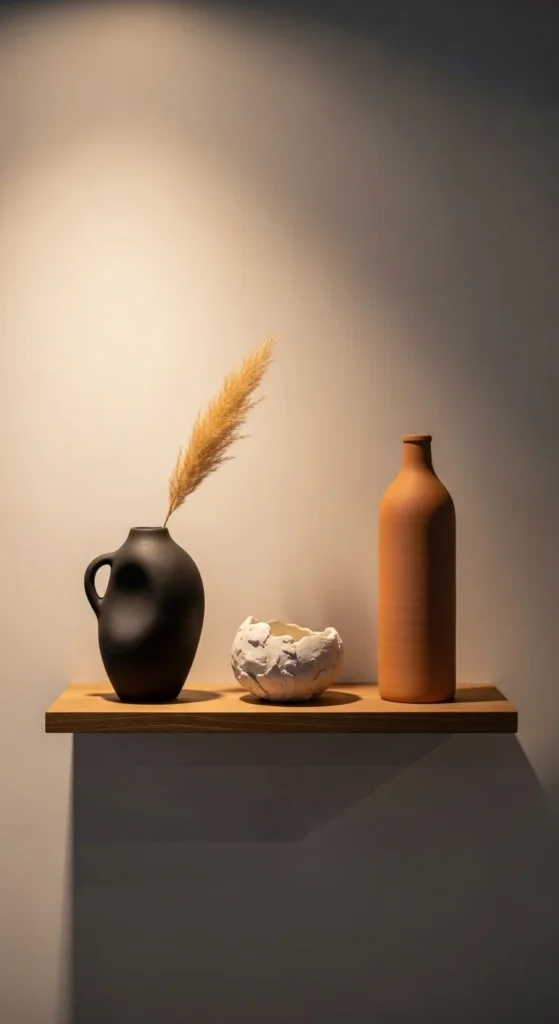
Instead of ten small decorations, choose two you truly like.
Empty space is not wasted space. It allows the eye to rest.
Save slowly for pieces you love.
Minimal decor means fewer items to clean and manage.
10. Stick to Simple Window Treatments
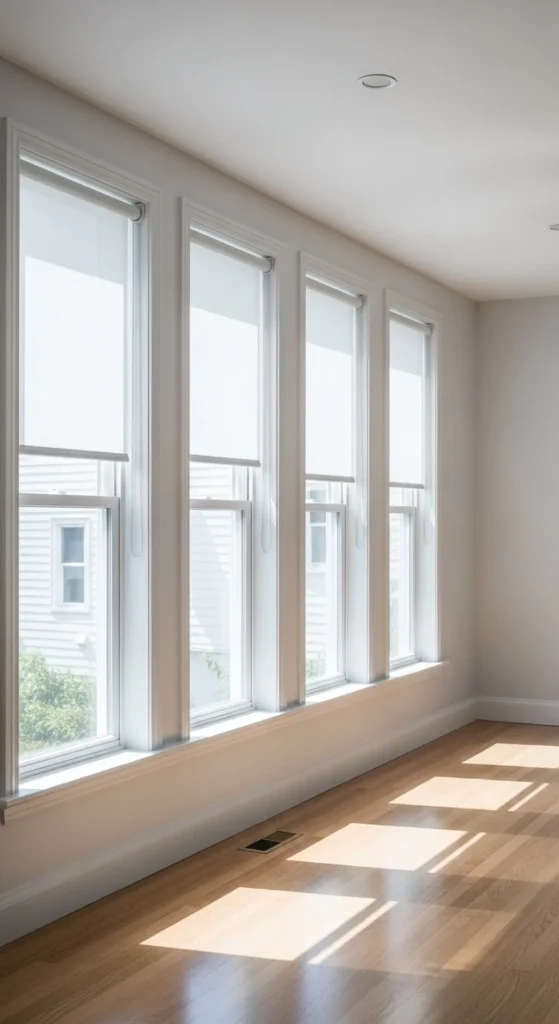
Complicated drapes add visual weight.
Roller blinds or simple curtains keep the look sleek.
Measure carefully and install them higher than the window frame. This makes ceilings appear taller.
Small changes can reshape the entire room.
11. Limit Wall Art
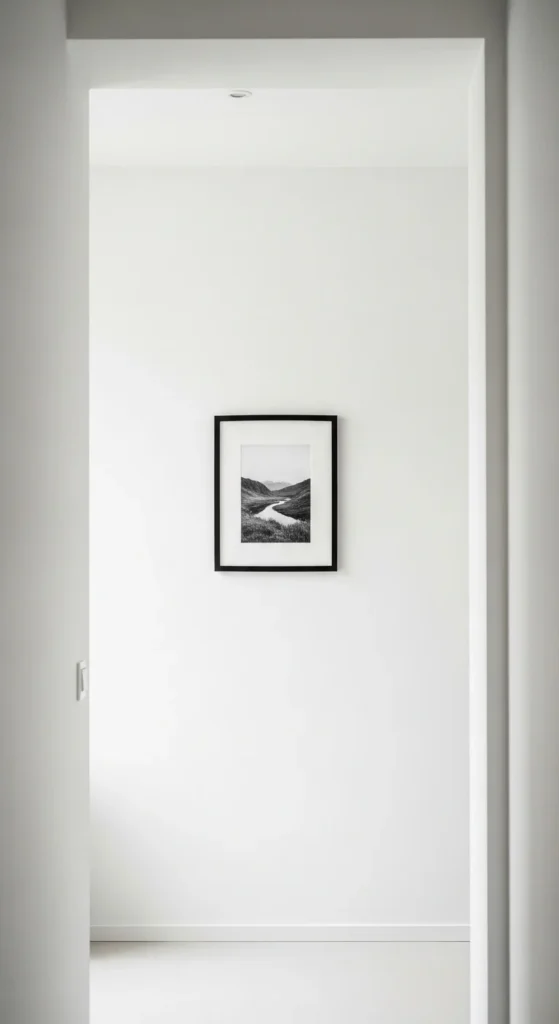
Gallery walls can feel busy.
Choose one large frame instead of many small ones.
Black-and-white prints work well with neutral spaces.
Print your own photos for an affordable personal touch.
12. Choose Sleek Lighting Fixtures
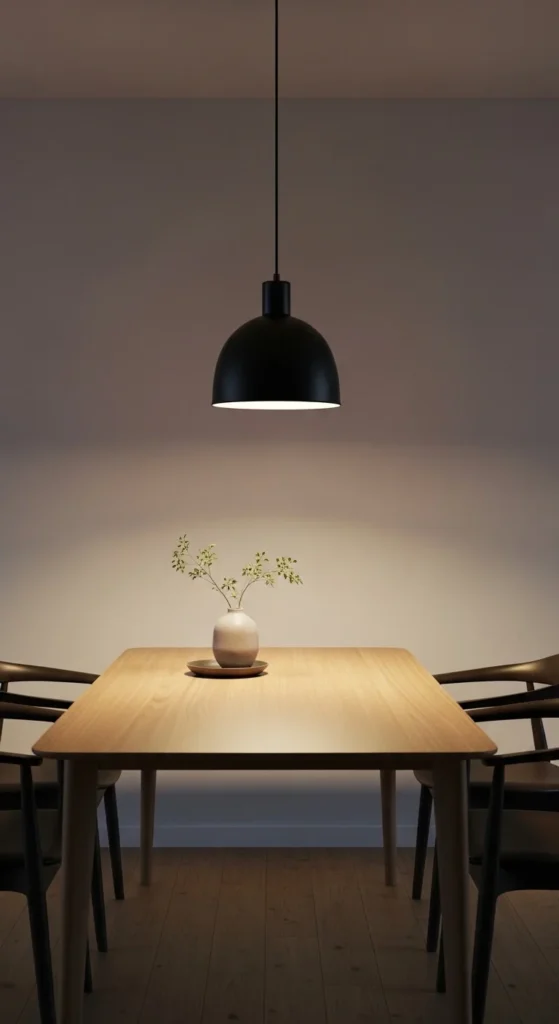
Lighting shapes the mood of a room.
Pick fixtures with simple shapes. Round globes. Slim pendants.
Avoid overly decorative details.
Even swapping out old lampshades for plain white ones makes a difference.
13. Keep Floors Clear
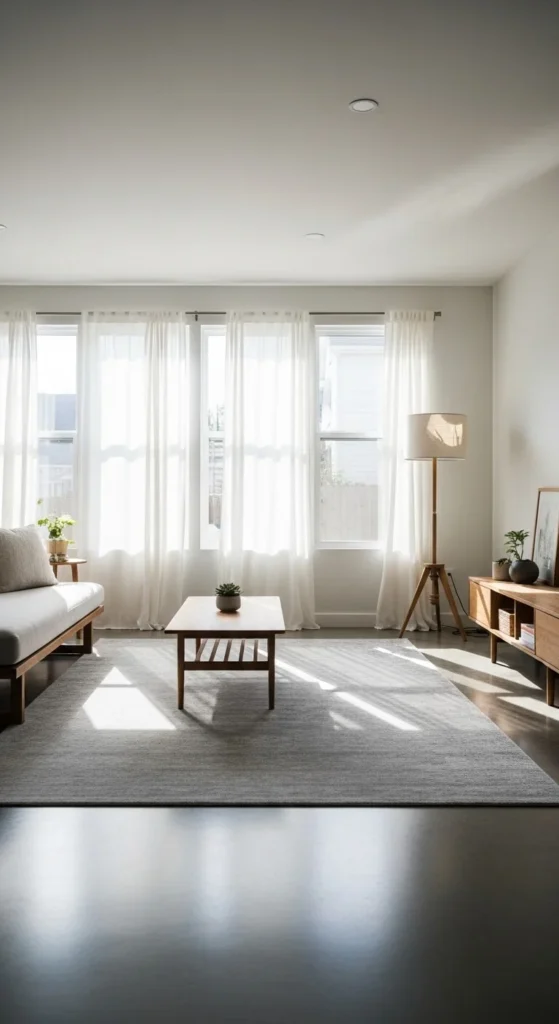
Too much on the floor breaks the visual flow.
Keep pathways open.
Store extra baskets or decor off the ground.
A single large rug works better than multiple small ones.
Clear floors make cleaning easier too.
14. Add One Large Plant
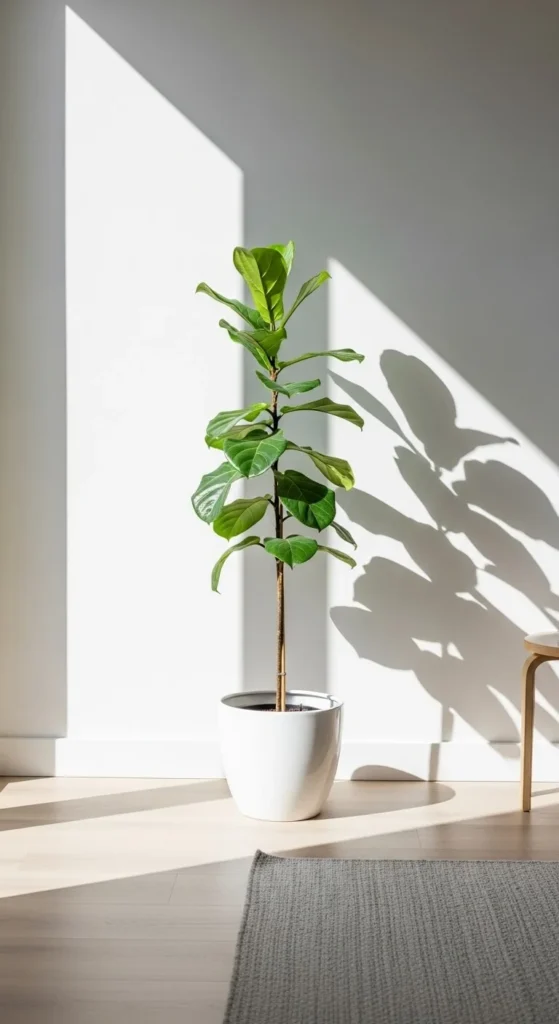
Plants soften clean lines.
Choose one larger plant instead of many small ones.
Snake plants and pothos are low maintenance and affordable.
A simple white or clay pot keeps the look cohesive.
15. Use Simple Bedding
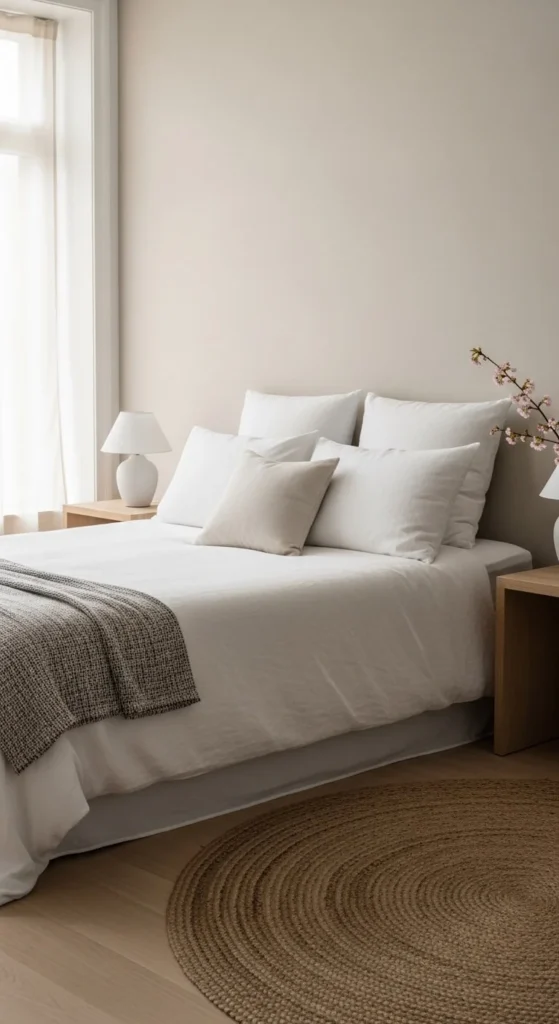
Busy patterns can make bedrooms feel chaotic.
Choose solid colors. White, beige, soft gray.
Layer with texture instead of prints. Linen or cotton works well.
A calm bed helps the whole room feel restful.
16. Hide Cords and Wires
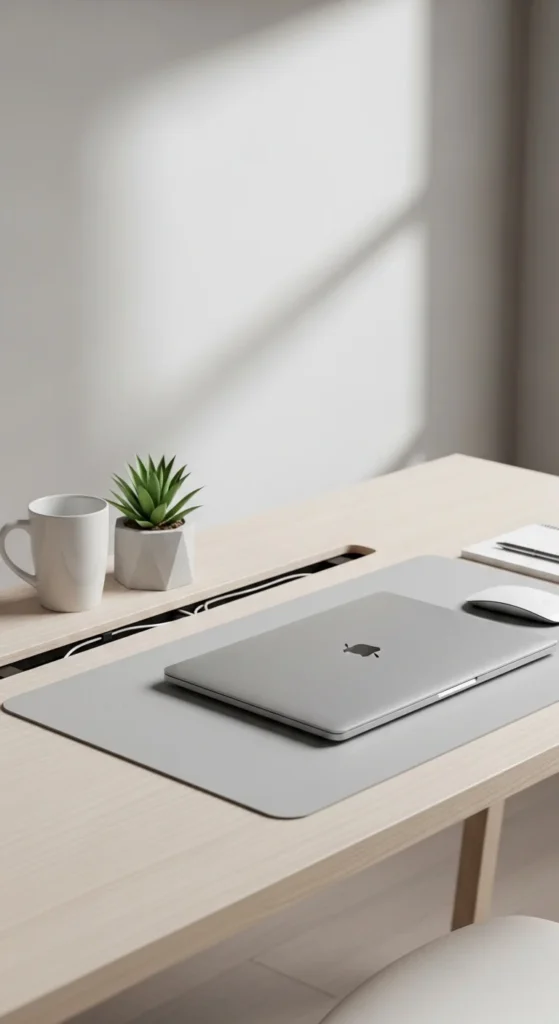
Visible cords add clutter instantly.
Use cable clips or adhesive cord covers.
Bundle wires neatly behind furniture.
Small details make a big impact.
17. Use Multipurpose Furniture
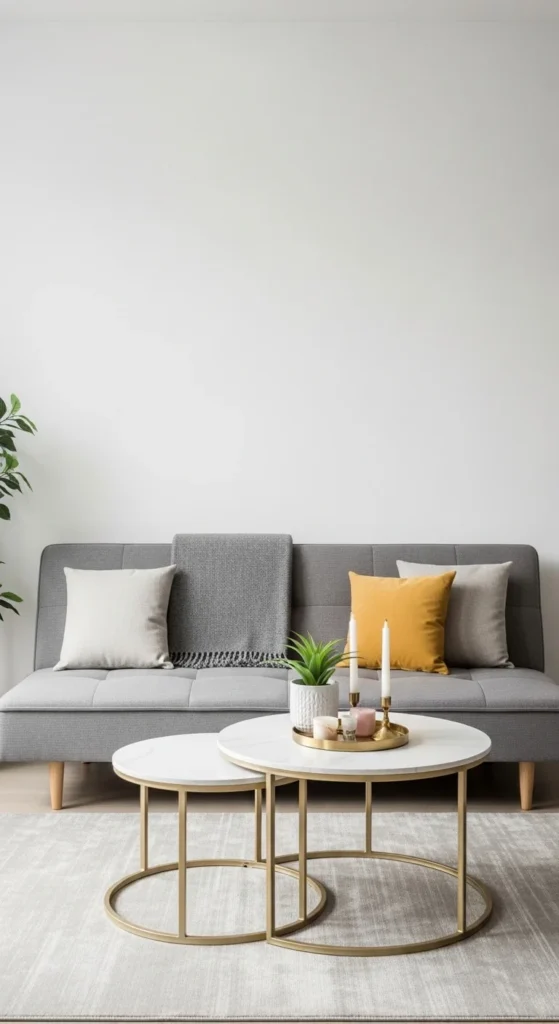
Choose items that serve more than one purpose.
A bench that stores blankets. A sofa bed for guests.
This reduces the need for extra furniture.
Fewer pieces mean more breathing room.
18. Keep Entryways Simple
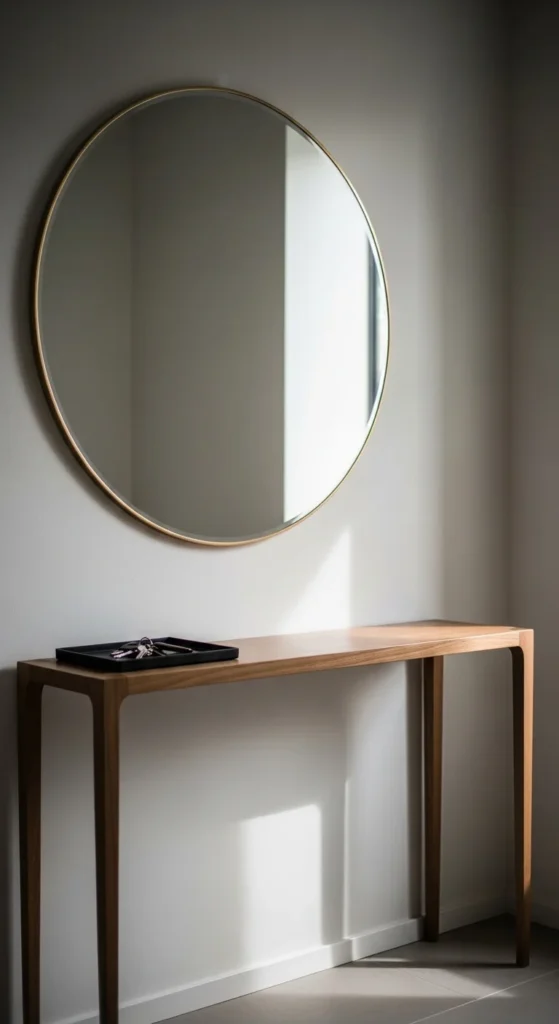
The entry sets the tone.
Limit it to essentials. A narrow table. A mirror. A small tray.
Add hooks behind the door for bags.
Keeping it tidy prevents clutter from spreading.
19. Use Matching Storage Containers
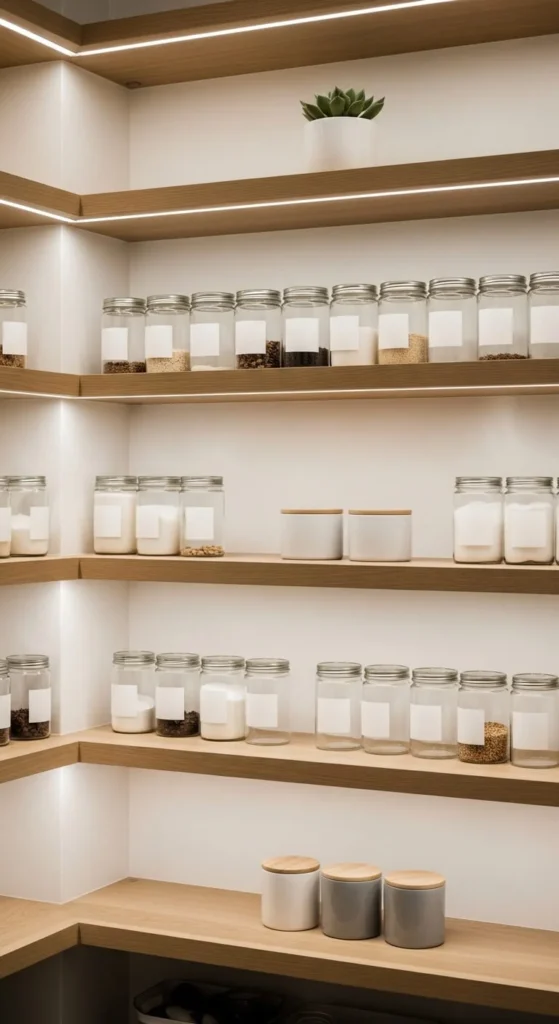
Mismatched containers look busy.
Choose matching jars or bins.
Affordable glass jars work well for kitchens.
Uniform storage creates a clean visual line.
20. Leave Breathing Room
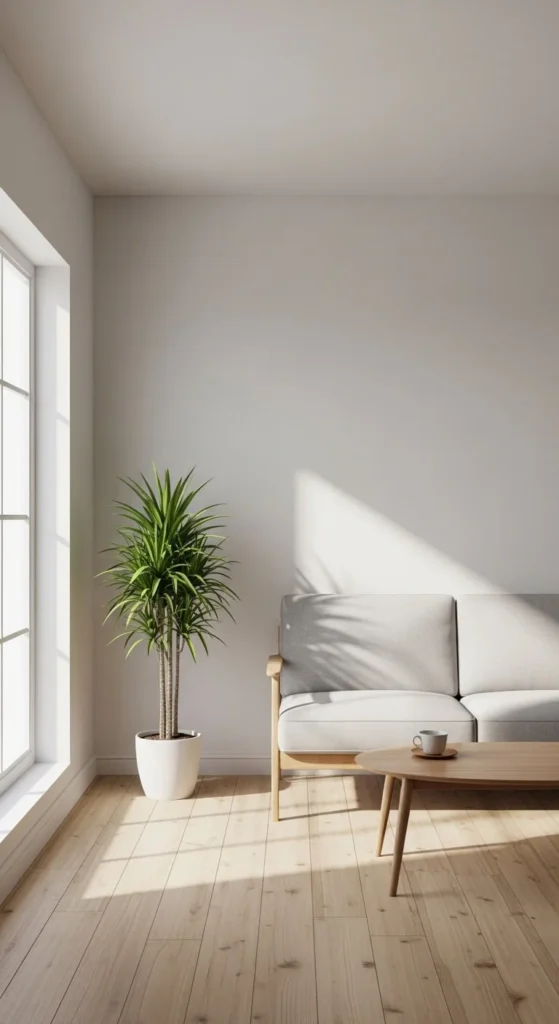
Not every wall needs decor.
Not every corner needs furniture.
Empty space helps highlight what you choose to keep.
Resist the urge to fill gaps.
Calm comes from restraint.
21. Create a Simple Daily Reset Routine
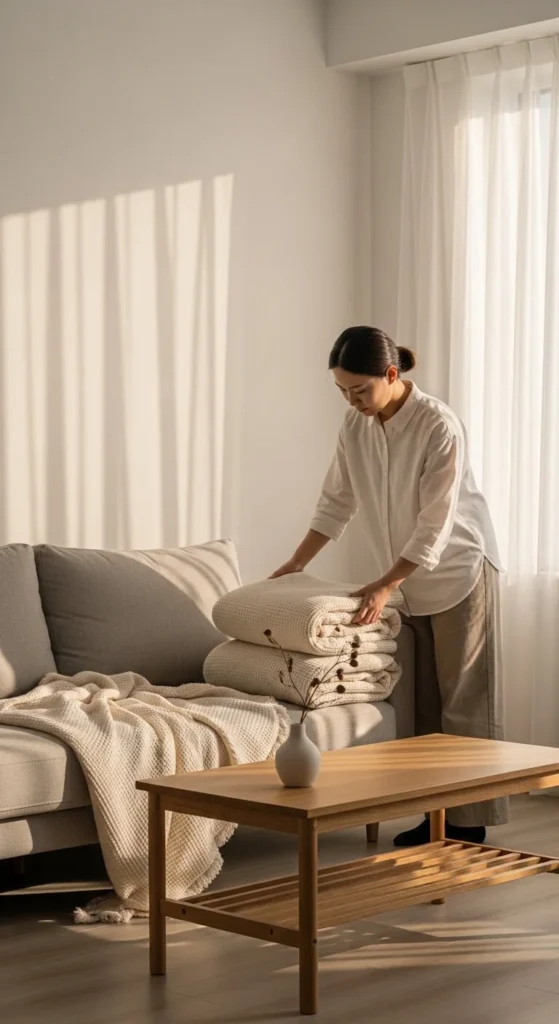
A calm home stays calm with small daily habits.
You do not need a long cleaning session. Just 10 minutes each evening can change everything.
Fold blankets.
Fluff pillows.
Return items to their proper place.
Wipe down the coffee table and kitchen counter.
That is it.
This quick reset keeps clutter from building up. It also helps you wake up to a peaceful space instead of yesterday’s mess.
Make it simple. Set a timer. Play soft music. Get the whole household involved.
If you are on a budget, use what you already have. Repurpose a small basket to collect random items during your reset. Walk through each room and empty it before bed.
Minimalist decor is not only about how your home looks. It is about how it feels daily.
A short, consistent reset keeps your space light, open, and easy to maintain without stress.
Conclusion
Minimalist decor is about thoughtful choices, not perfection. Start small. Clear one surface. Replace one busy item with something simple. Use neutral colors and natural materials. Over time, your home will feel lighter and easier to manage. A calm space supports a calm mind.

Emily Parker is a home décor enthusiast and design blogger who believes every space deserves a touch of warmth and personality. With a love for cozy neutrals, modern textures, and DIY styling, she shares simple, beautiful ways to make your home feel like you. When she’s not rearranging throw pillows, you’ll find her hunting vintage finds or sipping coffee while planning her next room refresh.
Leave a Reply