

Kids’ rooms don’t have to be chaotic or overly themed. With the right approach, you can create a space that feels playful and polished—something your child loves now and something that still fits your home’s overall style.
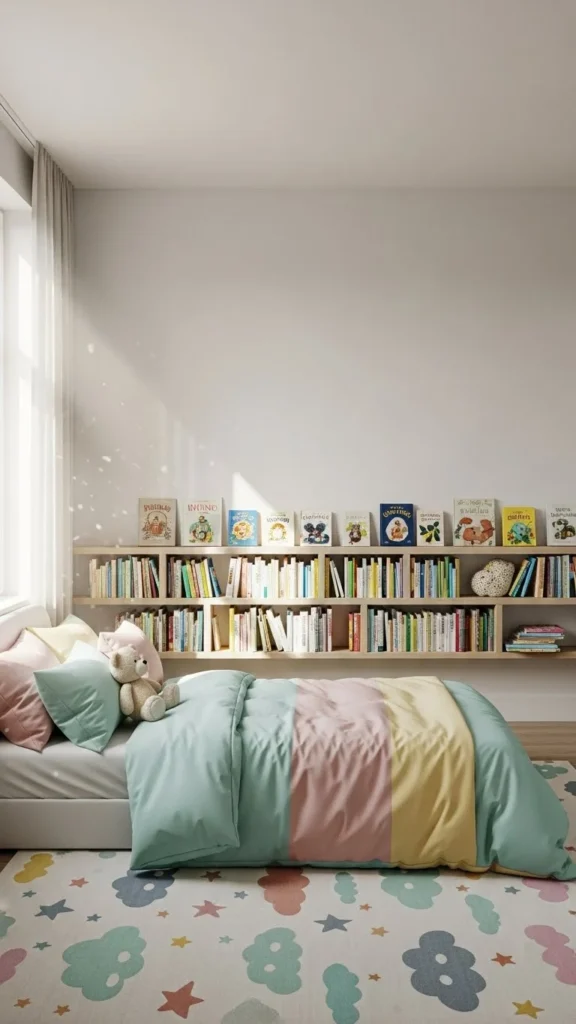
The trick is finding a balance: enough fun to spark imagination, enough style to satisfy your grown-up taste. Below are simple, practical steps that help you design a room that grows with your child while still feeling joyful and organized.
Choose a Base Palette That Isn’t Overwhelming
Start with colours that act as a canvas. Think soft neutrals, warm whites, gentle greys, or muted pastels. These tones make the room feel calm and allow the brighter kid-friendly pieces to shine without clashing.
- Use neutral walls so the décor can evolve easily.
- Add pops of colour through bedding, accessories, and wall art.
- Avoid painting the entire room in bold shades—use them as accents instead.
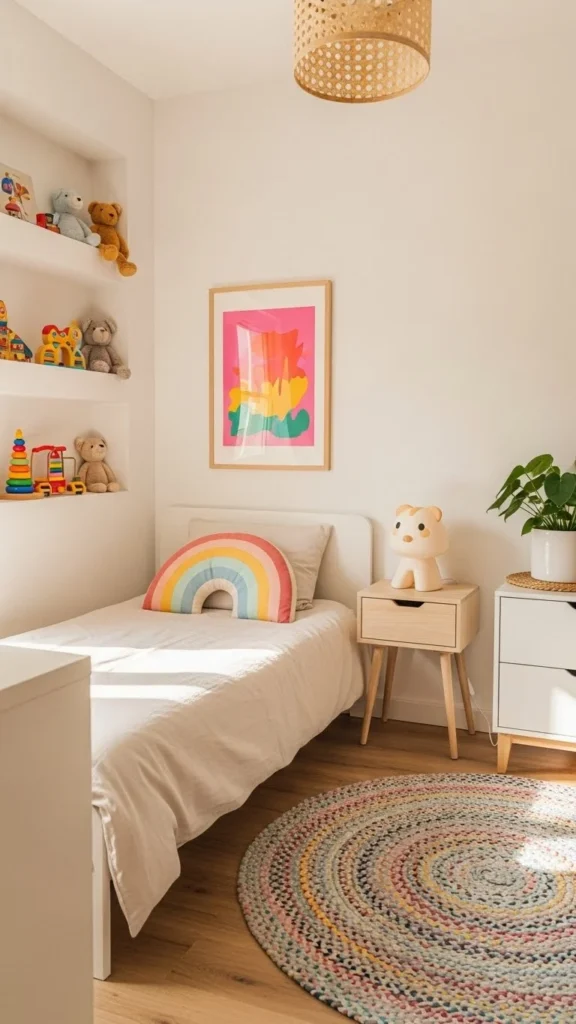
Picking a flexible palette means you won’t need to repaint the room every time your child’s favourite colour changes—which might be every six months.
Bring in Playful Patterns That Don’t Clash
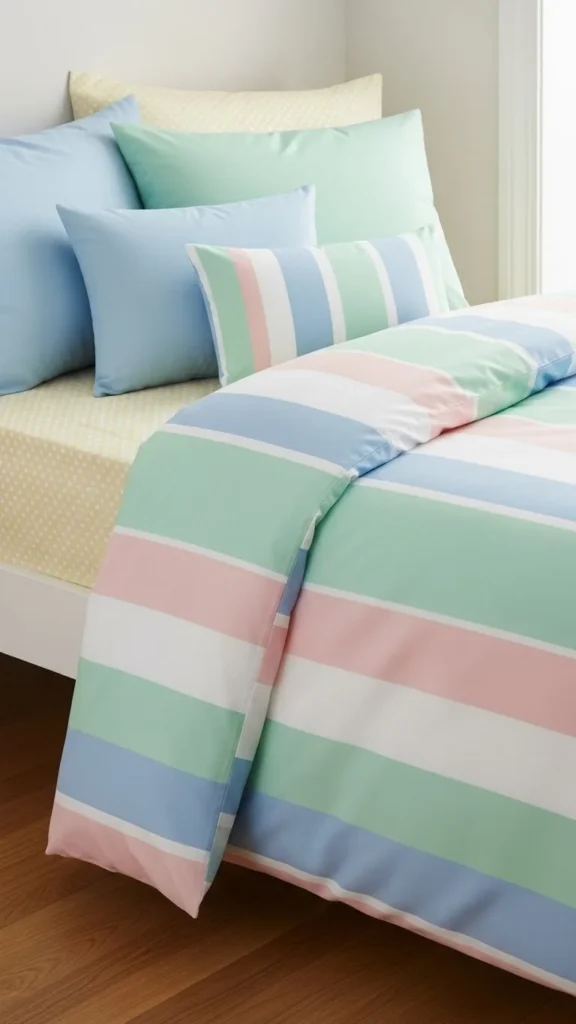
Patterns make kids’ rooms lively, but too many can feel chaotic. Choose one or two pattern types and repeat them intentionally.
Try mixing:
- A large-scale print (like stars or stripes)
- A small-scale detail (like tiny dots or simple shapes)
- A solid colour to balance everything
Keep the patterns within similar colour groups so the room feels coordinated.
Add Functional Storage That Looks Cute
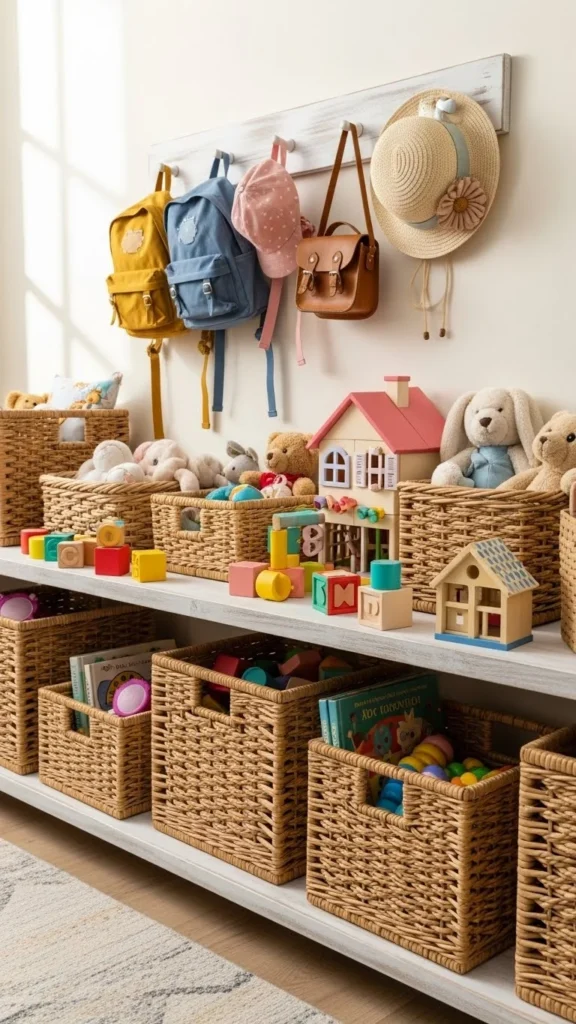
Clutter happens fast. The key is intentional storage—options your child can actually use.
Great kid-friendly storage ideas:
- Open baskets for toys
- Low shelves for books
- Under-bed bins for bulky items
- Wall hooks or peg rails for dress-up clothes
- A labelled toy cart or rolling bin
Low-level storage helps children learn to tidy up on their own. Plus, cute baskets or fabric bins double as décor.
Create a “Fun Zone” and a “Calm Zone”
Instead of filling the entire room with toys and noise, divide it into areas with different purposes.
Fun Zone Ideas:
- A play table or art station
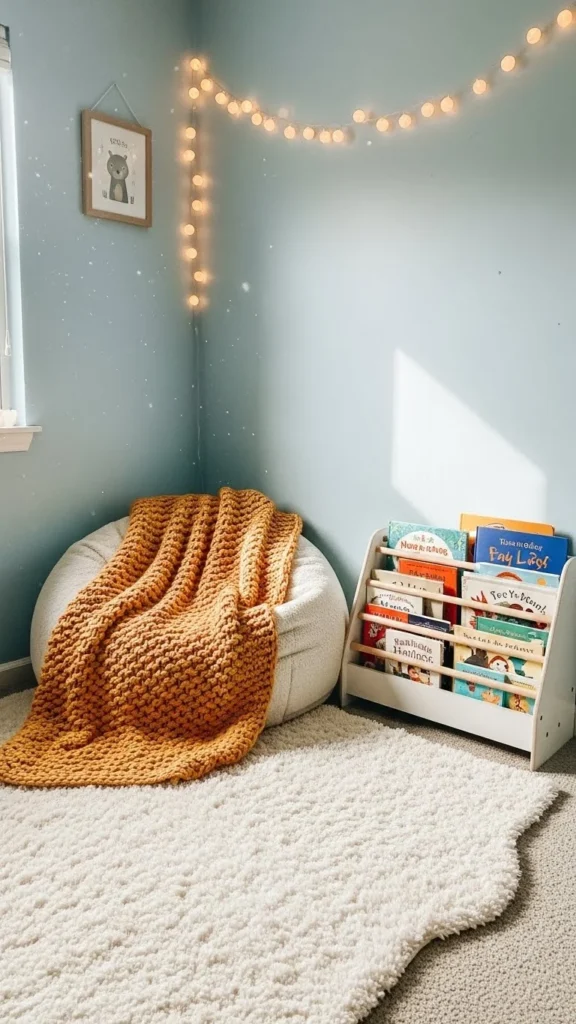
- A reading nook with floor cushions
- A dress-up corner
Calm Zone Ideas:
- The bed area
- A soft rug for quiet play
- A dimmable lamp for bedtime wind-down
- A small shelf for bedtime books
This separation teaches kids structure and keeps the room from feeling overstimulating.
Choose Furniture That Grows With Your Child
Invest in pieces that last longer than a single stage.
Smart furniture choices:
- A convertible bed
- A dresser that doubles as a changing table (for toddlers)
- A neutral desk with colourful accessories
- A bookshelf your child can reach now but won’t outgrow soon
Keep big pieces simple. Add personality through swappable décor instead of furniture that becomes “too babyish” too soon.
Personalize With Meaningful Details
Every child deserves a space that reflects their personality. Small touches make the room feel special without overwhelming it.
Try adding:
- Their name or initial on the wall
- Framed artwork they made
- A favourite stuffed toy displayed on a shelf
- A themed pillow or blanket
- Fairy lights or soft lamps
Kids outgrow things quickly, so use accessories that can be swapped easily.
Use Textures to Make the Room Feel Cozy
Kids respond to comfort, and textures make the room feel warm and inviting.
Mix textures like:
- Plush rugs
- Knitted blankets
- Soft bedding
- Woven baskets
- Lightweight curtains
A texture-rich room feels designed but still kid-friendly.
Keep the Room Flexible and Easy to Update
Kids’ interests change fast—so keep the décor adaptable. Instead of committing to a highly themed room, sprinkle theme elements through things you can remove later.
For example:
- Choose dinosaur bedding, not dinosaur wallpaper.
- Use space-themed art prints instead of painting planets on the walls.
- Buy rainbow accessories instead of rainbow furniture.
This approach gives your child freedom to explore new interests without constant full-room makeovers.
Add One “Wow” Feature Without Overdoing It
Pick one standout element that adds charm without overwhelming the whole space.
Examples:
- A canopy over the bed
- A quirky statement lamp
- A bold rug
- A feature wall with decals
- A framed gallery wall
This focal point ties the room together and gives it personality.
Final Takeaway
A kid’s room can be stylish, cozy, and full of personality—all without being messy or overstimulating. Start with a calm base, add fun elements with intention, and let your child’s interests shine in small, easy-to-update ways.
Emily Parker is a home décor enthusiast and design blogger who believes every space deserves a touch of warmth and personality. With a love for cozy neutrals, modern textures, and DIY styling, she shares simple, beautiful ways to make your home feel like you. When she’s not rearranging throw pillows, you’ll find her hunting vintage finds or sipping coffee while planning her next room refresh.
Leave a Reply