

If your home ever feels a little flat—like everything blends together or nothing quite “pops”—the missing piece is almost always texture. Texture adds depth, warmth, and personality to any room, turning a simple space into something layered and truly inviting. The best part? You don’t need a full makeover—just strategic texture choices.
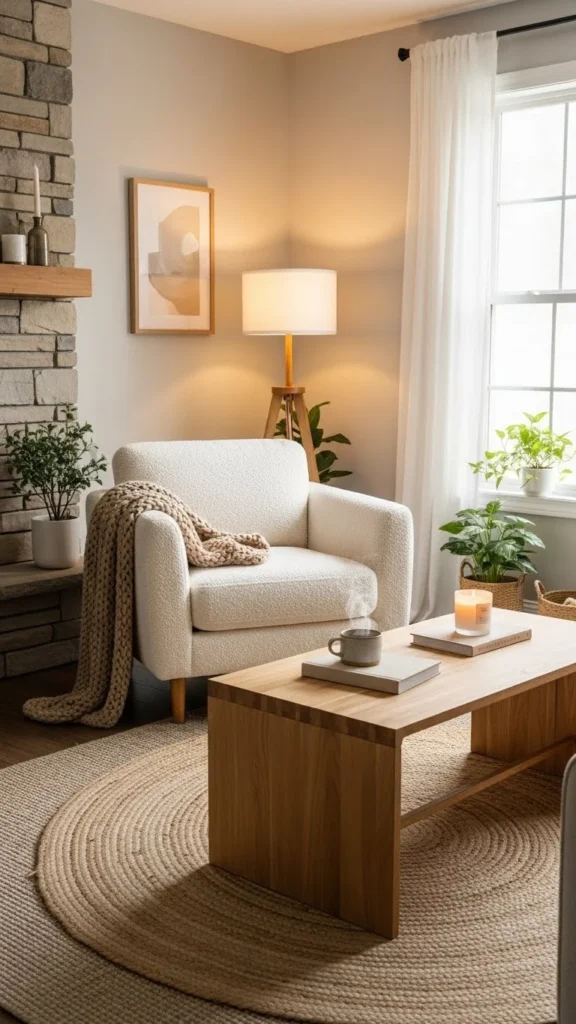
Texture isn’t about adding random décor; it’s about creating balance through contrast. Here’s how to decorate with texture in a way that feels intentional, stylish, and effortlessly beautiful.
Start With a Base of Soft Neutrals
When designing with texture, your colour palette plays a big role. Soft, neutral colours create the perfect backdrop for visible texture changes.
Think:
- Whites
- Beiges
- Greys
- Soft browns
- Muted greens
These tones help different textures stand out without competing for attention.
If your walls and large furniture pieces are neutral, textured décor instantly becomes more eye-catching.
Layer Different Fabric Textures
One of the easiest ways to introduce texture is through fabrics. Soft textiles add warmth, while rougher textures create contrast.
Try mixing:
- Boucle chairs
- Linen pillows
- Velvet cushions
- Cotton throws
- Chunky knit blankets
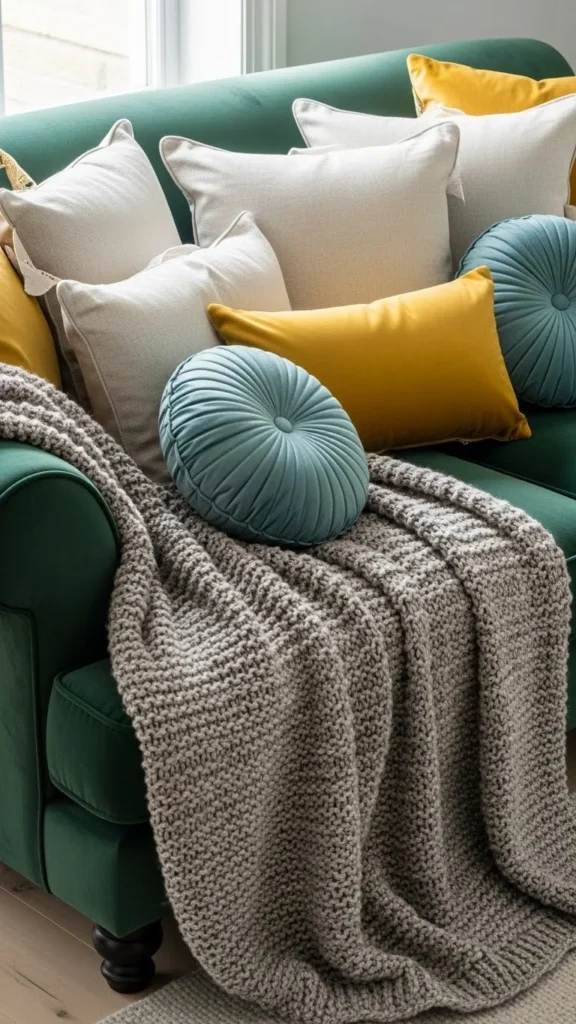
Even just switching out your pillows for a mix of materials can completely transform how your space feels.
Incorporate Natural Materials
Nature provides some of the richest textures.
Bring in materials like:
- Woven rattan
- Jute or sisal rugs
- Wooden coffee tables
- Stone trays
- Ceramic vases
- Leather stools
These elements add earthy warmth and visually break up sleek or modern surfaces.
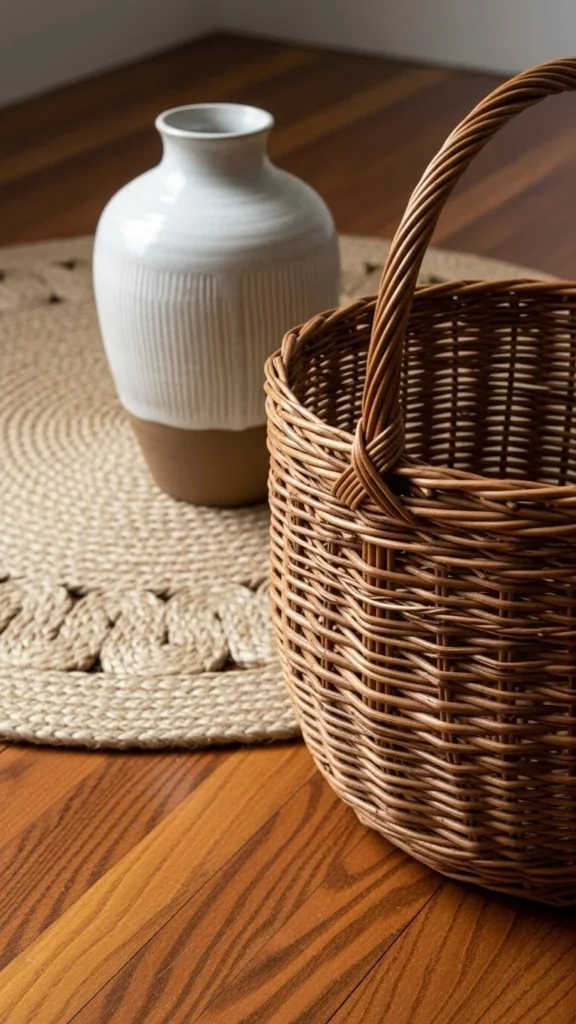
Natural materials never go out of style and instantly make a space feel more grounded.
Use Contrast to Create Visual Interest
Texture works best when it’s intentional. The contrast between materials is what creates depth.
Here are powerful combinations:
- Metal + linen
- Wood + velvet
- Glass + rattan
- Stone + wool
For example, place a sleek metal lamp on a rustic wooden side table. Or pair a soft boucle chair with a black stone side table.
These combinations keep your space from feeling flat or overly uniform.
Add Texture Through Accessories
Small décor pieces can make a big impact.
Try adding:
- Woven baskets
- Ceramic bowls
- Knitted poufs
- Textured planters
- Sculptural candles
- Layered trays
Even a small textured object on a smooth shelf brings in balance and visual interest.
Accessories are also the easiest place to experiment if you’re new to decorating with texture.
Mix Smooth and Matte Finishes
Texture isn’t just about touch—it’s also about how surfaces reflect light.
Introduce a mix of:
- Matte vases
- Glossy ceramics
- Polished metal accents
- Raw wood
- Rough stone pieces
This variety helps catch the light in different ways, making your room feel more dynamic and layered.
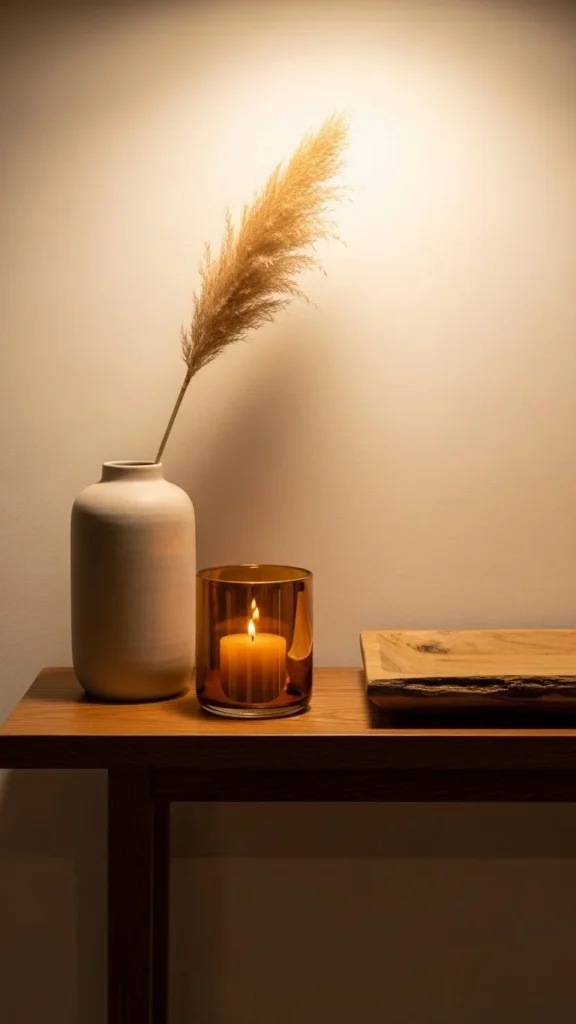
Even subtle finish differences can shift the entire mood of the room.
Use Rugs to Anchor Texture
Rugs are one of the most powerful texture tools because they visually ground a room.
Consider:
- A shag rug for softness
- A jute rug for earthy warmth
- A patterned wool rug for a cozy feel
- A layered rug look (thin rug on top of a larger jute one)
Rugs also create zones within open spaces, adding both texture and structure.
Bring Texture Into Walls and Furniture
If you want bigger impact, add textured elements to your larger surfaces.
Try:
- Wood slat accent walls
- Woven headboards
- Fluted furniture
- Stone-topped side tables
- Upholstered dining chairs
These pieces become focal points and instantly add depth.
But keep balance in mind—if one furniture piece is heavily textured, pair it with smoother surroundings.
Play With Plants for Organic Texture
Plants bring natural texture that softens any room.
Choose a mix of:
- Leafy plants (monstera, fiddle leaf, pothos)
- Spiky plants (snake plant, aloe)
- Hanging plants
- Dried stems or pampas grass
The greenery adds dimension and keeps textured elements from feeling heavy.
Keep Some Negative Space
Just like bold colours, too much texture can overwhelm a room.
Aim for balance:
- Pair textured items with smooth, clean surfaces.
- Leave a few blank spots for breathing room.
- Focus on layering rather than crowding.
Texture should guide the eye—not overload it.
Final Takeaway
Texture is one of the simplest ways to bring warmth, depth, and personality into your home. With natural materials, layered fabrics, thoughtful contrasts, and a mix of finishes, you can create a space that feels rich and visually engaging—without changing your entire décor.
Save this guide for later and start experimenting with texture to elevate your space!
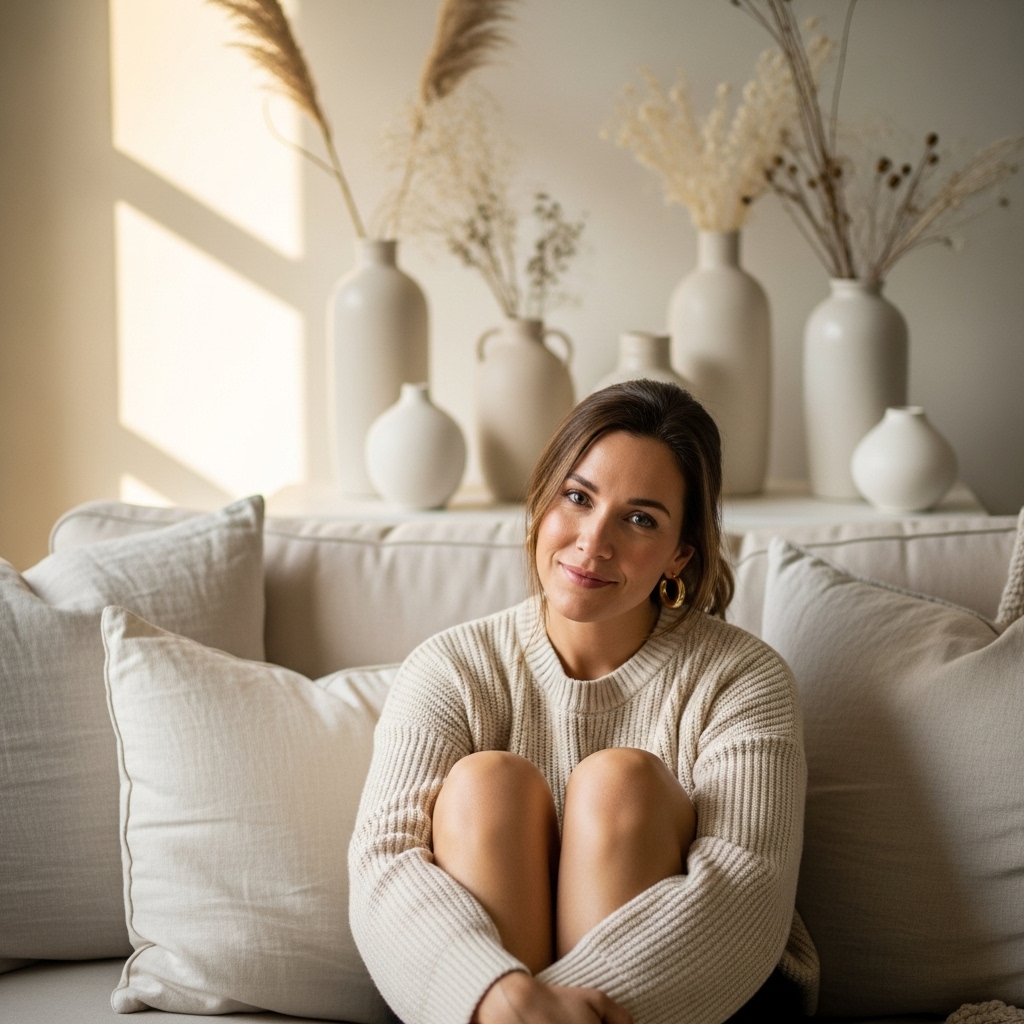
Emily Parker is a home décor enthusiast and design blogger who believes every space deserves a touch of warmth and personality. With a love for cozy neutrals, modern textures, and DIY styling, she shares simple, beautiful ways to make your home feel like you. When she’s not rearranging throw pillows, you’ll find her hunting vintage finds or sipping coffee while planning her next room refresh.
Leave a Reply