

Decorating on a budget gets a bad reputation. People imagine flimsy furniture, mismatched colours, and rooms that feel temporary. But the truth is, a low budget doesn’t have to look low effort. With a few smart choices, you can make your home feel polished, intentional, and expensive—without overspending.
The secret isn’t buying more.
It’s choosing better.
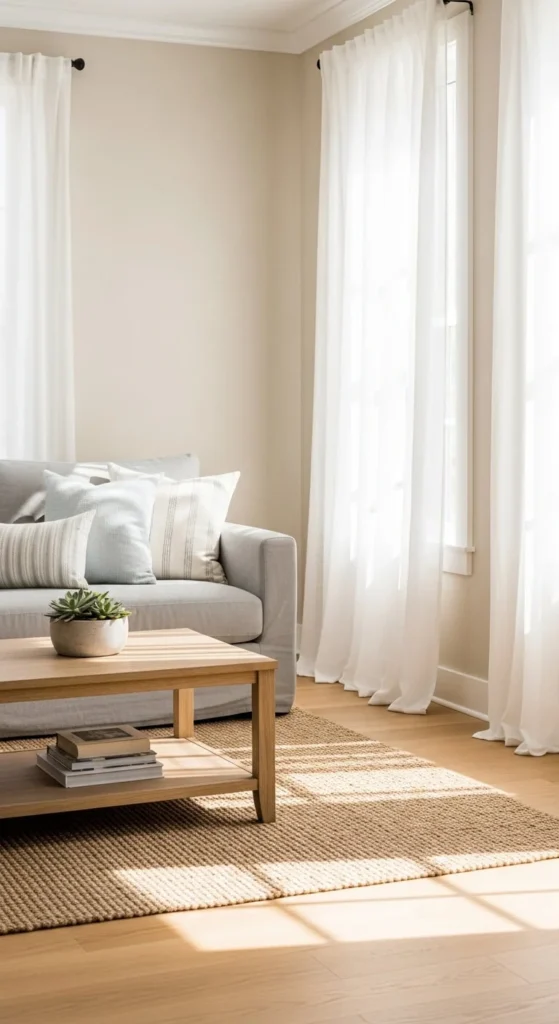
Below are practical, real-life ways to decorate on a budget while keeping your space stylish and elevated.
Start With Fewer, Better Pieces
One of the fastest ways a space looks cheap is clutter. Too many small, random items fight for attention and make the room feel busy.
Instead:
- Buy fewer decor pieces
- Choose items with simple shapes
- Stick to a consistent colour range
Think quality over quantity. A single solid lamp or mirror does more for a room than five tiny decorative objects.
Ask yourself:
Would I still like this if it were the only decor in the room?
If the answer is no, skip it.
Use Neutral Colours as Your Base
Neutral colours don’t just look calm. They also look expensive.
Start with:
- White, cream, beige, or soft grey
- Warm wood tones
- Black accents in small doses
This doesn’t mean your home has to be boring. It means your base stays quiet so details can shine.
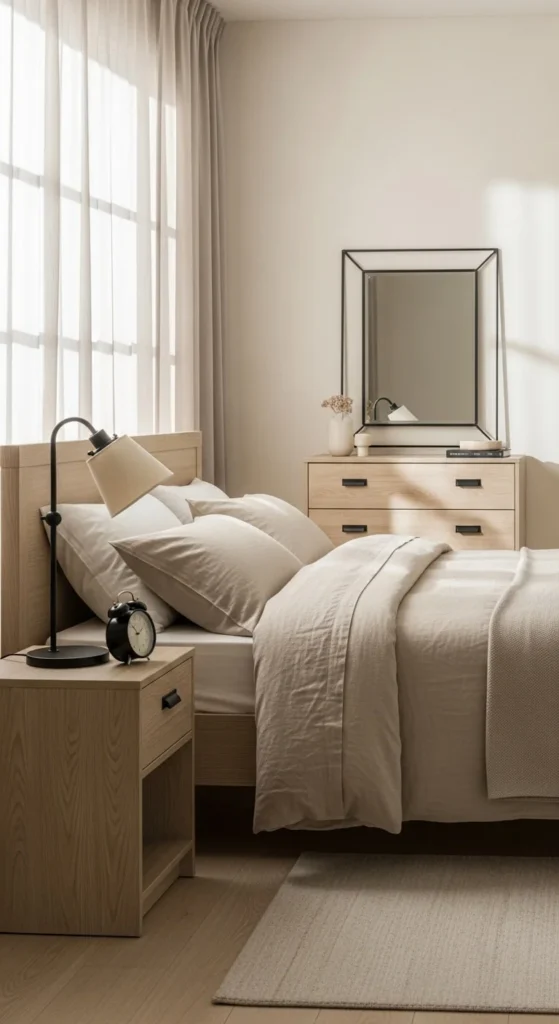
Budget win:
Neutral items are easier to reuse later, even if you change your style.
Upgrade Soft Furnishings First
If your budget is tight, skip furniture and focus on what you touch and see up close.
The biggest impact items:
- Cushions
- Throws
- Curtains
- Rugs
Choose fabrics with texture:
- Linen
- Cotton
- Wool blends
- Knits
Avoid shiny, stiff, or overly patterned materials. They tend to look cheaper, even when they’re not.
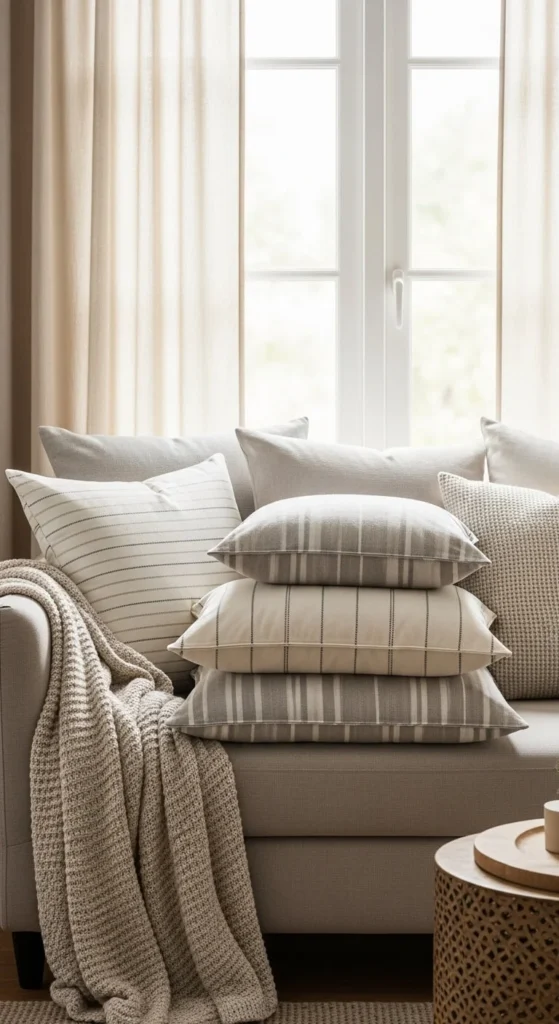
Quick trick:
Use cushion covers instead of new cushions. Much cheaper. Same effect.
Make Lighting Work Harder (For Less Money)
Lighting can make or break a room. Harsh overhead lighting is a budget killer.
Instead:
- Add table lamps or floor lamps
- Use warm bulbs
- Create light at different heights
Even a simple lamp instantly makes a space feel more finished.
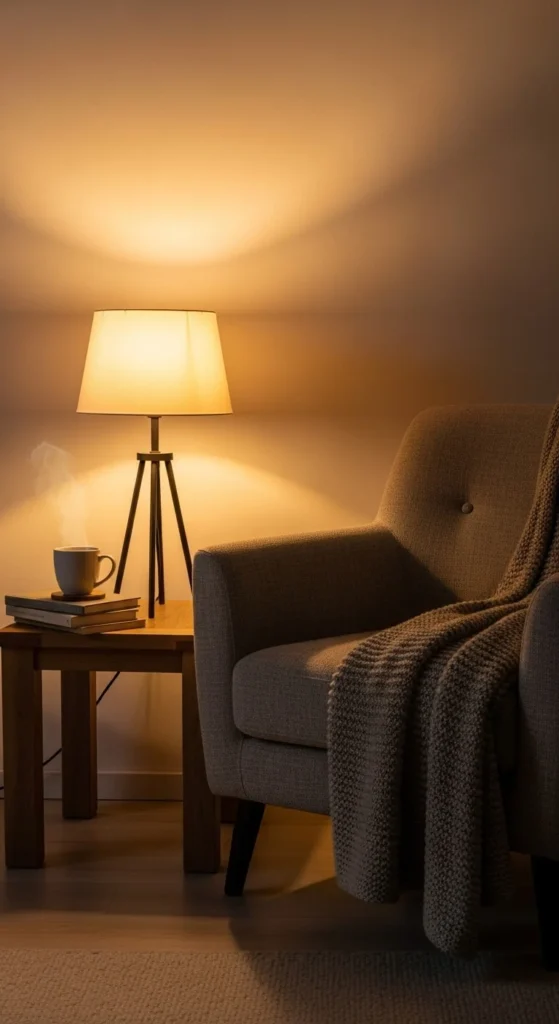
Pro tip:
Matching lamps aren’t required. Similar shapes or colours are enough to feel cohesive.
Shop Second-Hand Like a Stylist
Second-hand doesn’t mean second best. Many designer-looking pieces come from places like:
- Thrift stores
- Facebook Marketplace
- Garage sales
- Online resale apps
Look for:
- Solid wood furniture
- Mirrors
- Ceramic vases
- Frames
Ignore scratches and focus on shape. Paint, sanding, or styling can fix most surface flaws.
What to skip second-hand:
- Mattresses
- Heavily worn sofas
- Items with strong smells
Style With Groups, Not Singles
Random single items scattered around a room look accidental. Grouping creates intention.
Try styling in odd numbers:
- Three vases on a shelf
- A stack of books with one object on top
- A tray with two or three items
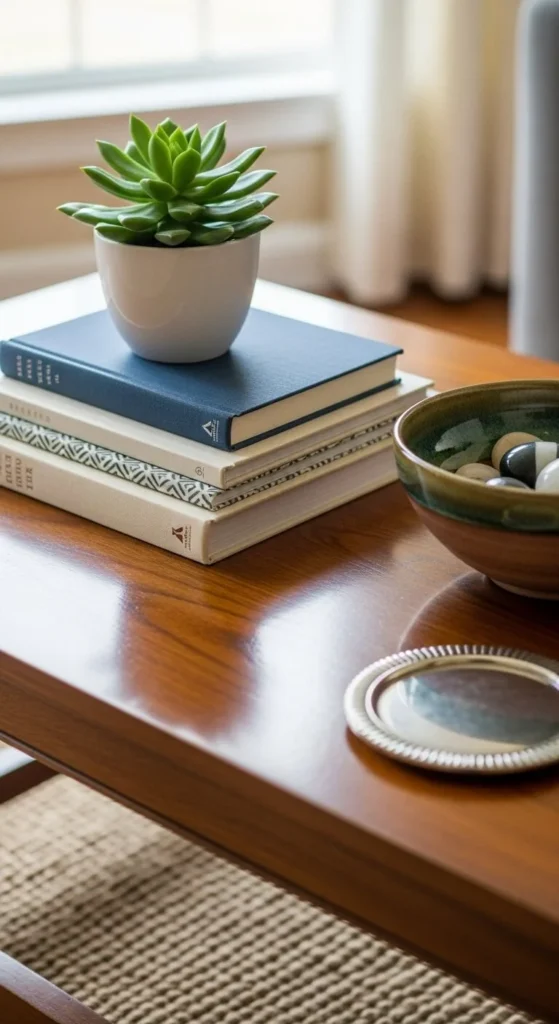
Styling rule:
Vary height, keep colours similar, and leave breathing space.
Use Art and Mirrors Strategically
Blank walls can make a room feel unfinished. But bad art can do more harm than good.
Budget-friendly ideas:
- One large print instead of many small ones
- Simple black or wood frames
- Neutral photography or abstract art
Mirrors are even better. They reflect light and make small rooms feel bigger.
Placement tip:
Hang art and mirrors at eye level. Too high looks awkward and rushed.
Keep One “Wow” Moment Per Room
Every room needs a focal point—but only one.
It could be:
- A bold rug
- A statement mirror
- A unique chair
- A large plant
Let that item stand out. Keep everything else calm around it.
When everything screams, nothing feels special.
Final Touch: Make It Look Lived-In, Not Styled
Perfect rooms often feel cold. Real homes feel layered and personal.
Add:
- A book you’re reading
- A folded throw
- A simple plant
- One personal object
These details make your space feel intentional, not staged.
The Takeaway
Decorating on a budget isn’t about hiding cheap items. It’s about editing, simplifying, and choosing thoughtfully.
Focus on:
- Neutrals
- Texture
- Lighting
- Fewer, better pieces
You’ll be surprised how expensive your home can look without spending much at all.
Save this guide for later the next time you feel tempted to buy something you don’t really need.
Emily Parker is a home décor enthusiast and design blogger who believes every space deserves a touch of warmth and personality. With a love for cozy neutrals, modern textures, and DIY styling, she shares simple, beautiful ways to make your home feel like you. When she’s not rearranging throw pillows, you’ll find her hunting vintage finds or sipping coffee while planning her next room refresh.
Leave a Reply