

Lighting can completely change how your home feels. The same room can feel cold and flat with poor lighting, or warm and inviting with the right lighting setup. Professional designers rarely rely on just one light source. Instead, they use layered lighting to create depth, warmth, and balance.
Layered lighting combines different types of light to make a space feel comfortable, functional, and visually beautiful. It helps highlight textures, furniture, and architectural details.
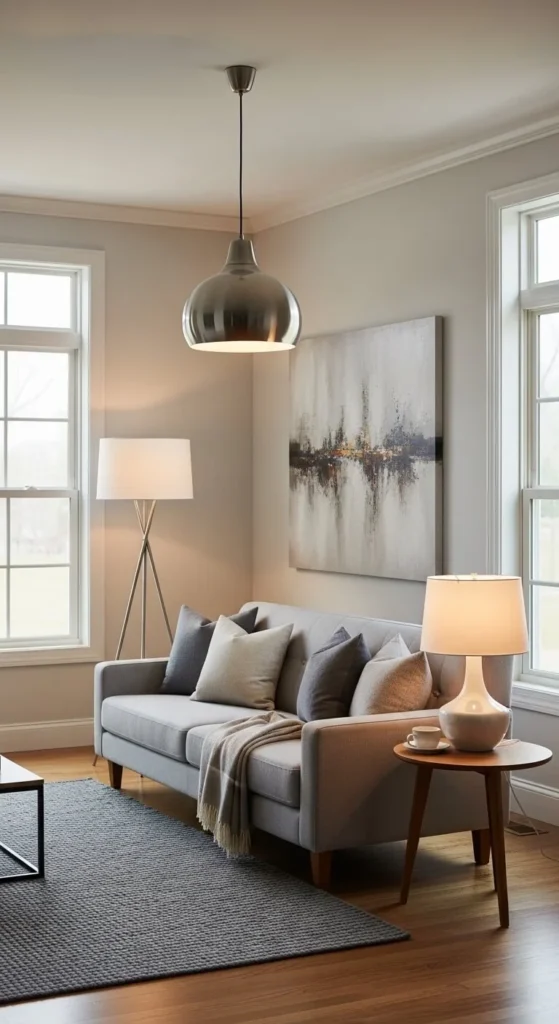
Once you understand how layered lighting works, you can transform any room into a designer-level space.
Understand the Three Main Types of Lighting
Layered lighting works by combining three types of lighting. Each serves a different purpose.
These include:
- Ambient lighting
- Task lighting
- Accent lighting
Ambient lighting provides overall brightness. It’s usually your main ceiling light.
Task lighting helps you perform specific activities like reading or working.
Accent lighting highlights decor, artwork, or architectural features.
Using all three creates a balanced and complete lighting setup.
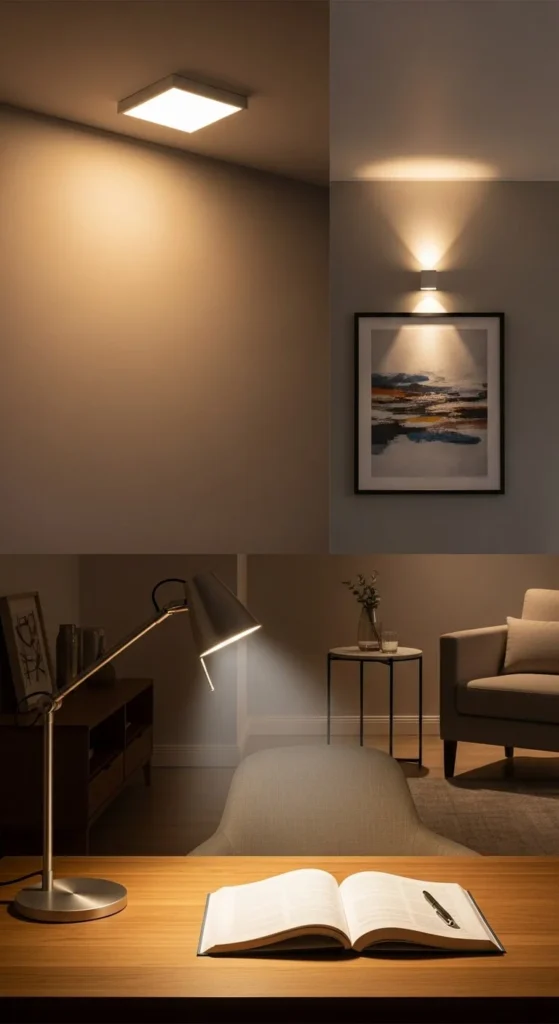
Each layer adds depth and function.
Start With Ambient Lighting as the Foundation
Ambient lighting is the base layer. It provides general illumination for the room.
Common ambient lighting sources include:
- Ceiling lights
- Pendant lights
- Chandeliers
Choose lighting that spreads light evenly across the room.
Avoid overly harsh or bright lighting. Soft, warm lighting feels more comfortable.
Ambient lighting sets the overall tone.
Add Task Lighting for Function and Comfort
Task lighting focuses on specific areas where you need extra visibility.
Examples include:
- Floor lamps beside sofas
- Desk lamps on workspaces
- Bedside table lamps
Task lighting improves comfort and usability.
It also adds another visual layer.
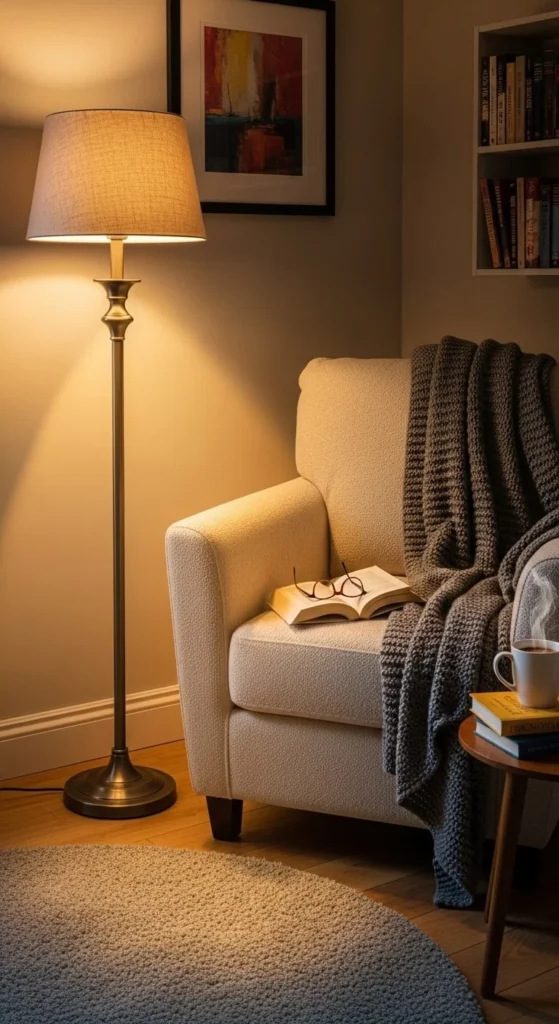
Task lighting makes spaces more practical and inviting.
Use Accent Lighting to Highlight Key Features
Accent lighting adds drama and visual interest.
It draws attention to specific areas like:
- Artwork
- Shelves
- Decorative walls
- Plants
Accent lighting creates shadows and highlights.
This makes the space feel more dynamic.
Common accent lighting includes:
- Wall sconces
- LED strip lighting
- Picture lights
Accent lighting enhances design details.
Place Lighting at Different Heights
Designers place lights at different heights to create balance.
Instead of using only ceiling lights, combine:
- Ceiling lights
- Table lamps
- Floor lamps
- Wall lights
This creates visual depth.
Lighting from different levels makes the room feel layered.
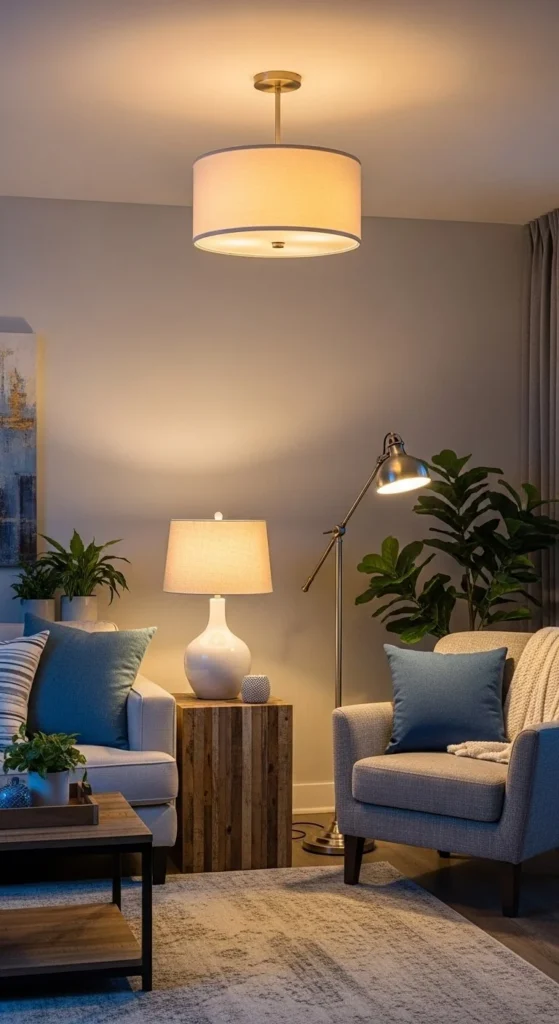
This technique improves atmosphere.
Use Warm Light for a Cozy Atmosphere
Light colour temperature affects how a room feels.
Warm light creates a cozy and inviting environment.
Cool light feels brighter but less comfortable.
Choose warm white bulbs for:
- Living rooms
- Bedrooms
- Entryways
Warm light enhances textures and colours.
Avoid harsh white lighting in relaxation areas.
Highlight Corners to Eliminate Dark Areas
Dark corners make rooms feel smaller.
Adding lighting to corners improves balance.
Use:
- Floor lamps
- Wall lights
- Small table lamps
This spreads light evenly.
It makes the room feel larger and more welcoming.
Use Lighting to Enhance Decor and Texture
Lighting can highlight decor elements.
Use lighting to enhance:
- Textured walls
- Plants
- Artwork
- Shelves
This makes decor stand out.
Lighting adds depth and interest.
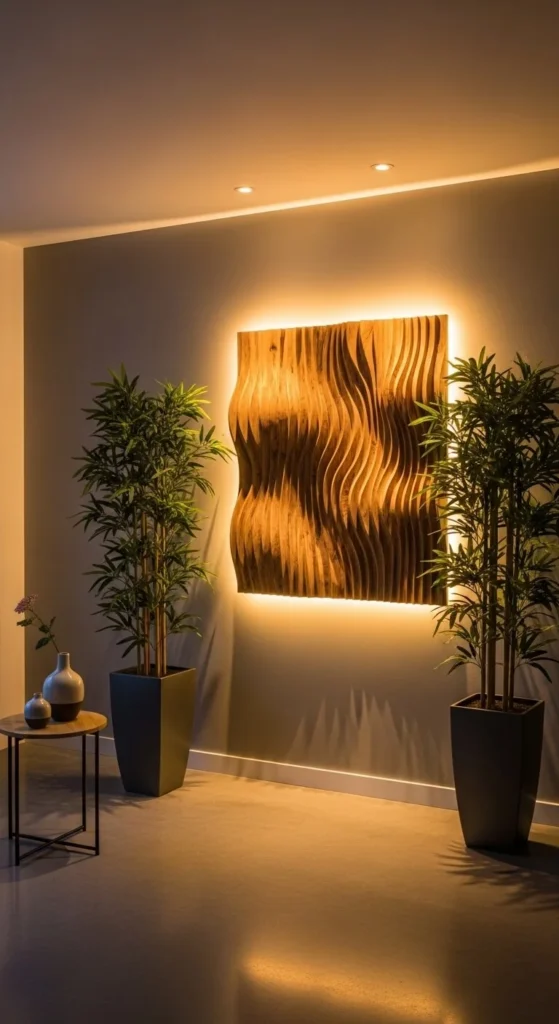
Proper lighting improves overall design.
Avoid Relying on One Light Source
One ceiling light alone creates flat lighting.
Layering prevents this.
Multiple light sources create shadows and depth.
This makes the room feel more natural.
Balanced lighting improves comfort.
Final Thoughts: Layered Lighting Transforms Your Space
Layered lighting is one of the most effective ways to improve your home’s atmosphere. It adds warmth, depth, and functionality.
Focus on combining:
- Ambient lighting for overall brightness
- Task lighting for function
- Accent lighting for visual interest
Use warm light and place lights at different heights.
These simple changes create a designer-level space.
Save this guide and start using layered lighting to transform your home.

Emily Parker is a home décor enthusiast and design blogger who believes every space deserves a touch of warmth and personality. With a love for cozy neutrals, modern textures, and DIY styling, she shares simple, beautiful ways to make your home feel like you. When she’s not rearranging throw pillows, you’ll find her hunting vintage finds or sipping coffee while planning her next room refresh.
Leave a Reply