

A beautifully designed room rarely relies on color alone. What truly makes a space feel rich, cozy, and visually interesting is texture. Layered textures create depth, contrast, and warmth—even in rooms with a simple color palette. When done well, a textured interior feels inviting and thoughtfully designed rather than flat or boring.
Professional designers often use texture layering to elevate a space without adding too many colors or decorations. The result is a room that feels both calm and visually dynamic.
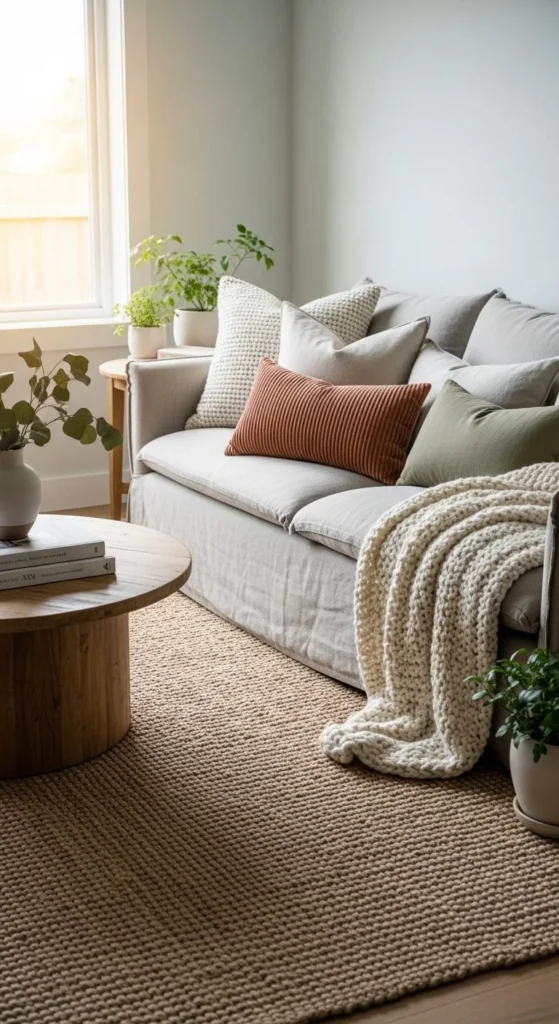
If you want your home to feel more polished and designer-inspired, here’s how to decorate with layered textures like a pro.
Start With a Neutral Base
Layered textures work best when the color palette is simple.
A neutral base allows textures to stand out without overwhelming the room.
Good base colors include:
- Cream
- Soft beige
- Warm white
- Light taupe
- Gentle greige
These shades create a calm foundation for different materials and finishes.
Instead of relying on bold colors, the room gains interest through contrast in texture.
Mix Soft and Structured Materials
One of the secrets designers use is combining soft textures with structured ones.
This contrast makes a space feel balanced.
For example:
- Soft linen sofa with a wooden coffee table
- Plush rug paired with a sleek metal lamp
- Velvet cushions on a woven chair
When textures differ, each element becomes more noticeable.
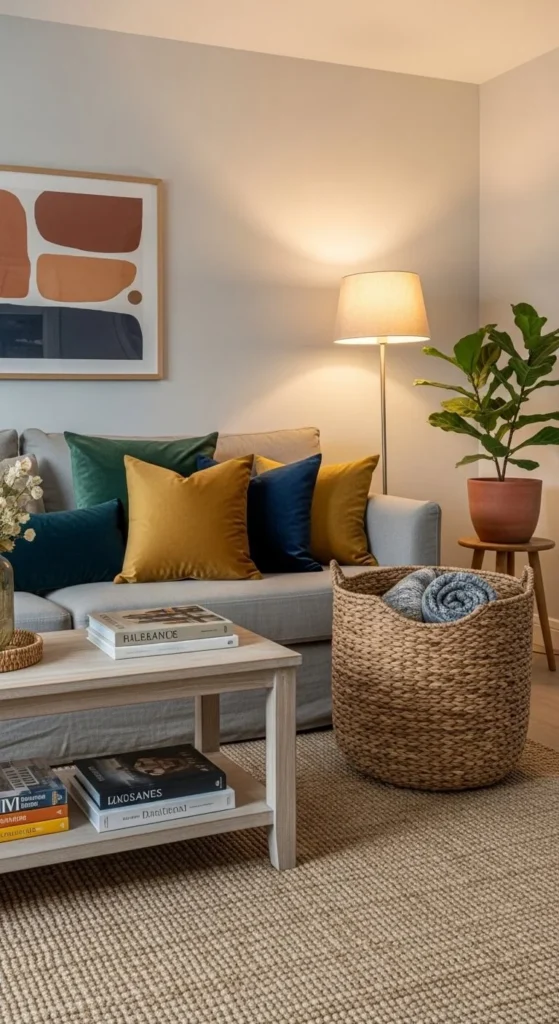
The mix of soft and structured elements adds visual depth.
Layer Textiles for Instant Warmth
Textiles are the easiest way to introduce texture.
Use multiple fabric layers to make the room feel cozy and inviting.
Try combining:
- Throw blankets
- Decorative pillows
- Area rugs
- Curtains
Choose fabrics with different textures such as:
- Knit
- Linen
- Cotton
- Bouclé
- Wool
Even a simple sofa can feel luxurious when layered with textured pillows and blankets.
Add Natural Materials
Natural materials instantly enhance texture in a space.
They also create a grounded, organic atmosphere.
Consider incorporating:
- Wood furniture
- Stone decor
- Rattan chairs
- Woven baskets
- Ceramic vases
These elements add subtle variation and warmth.
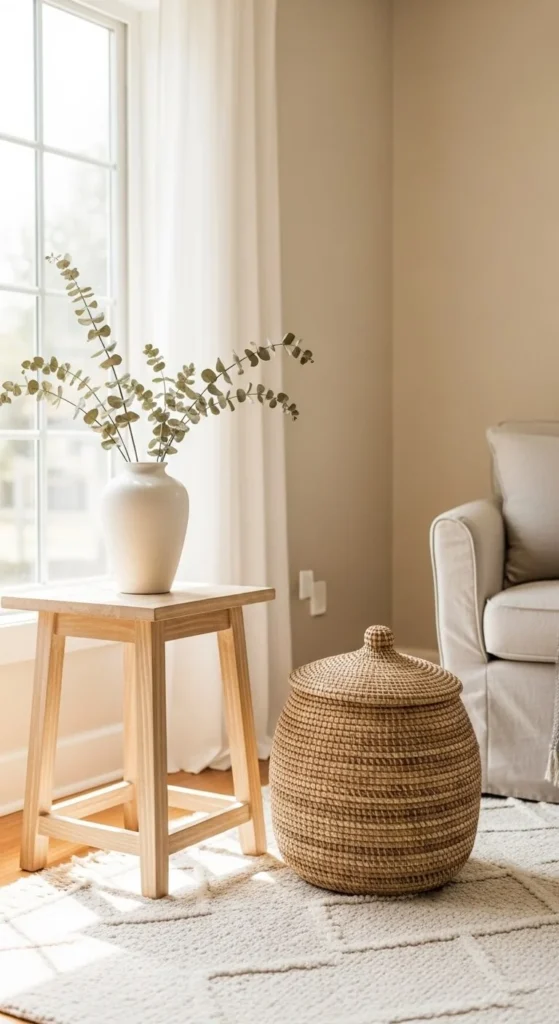
Natural textures work beautifully with almost every design style.
Use Rugs to Anchor the Space
Rugs play a major role in layered interiors.
They add softness underfoot while visually grounding furniture.
For texture layering:
- Choose woven or wool rugs
- Try subtle patterns or raised textures
- Consider layering a smaller rug over a larger neutral one
Layered rugs are a favorite designer technique.
They create depth and make rooms feel more styled.
Combine Different Surface Finishes
Texture doesn’t only come from fabrics.
Surface finishes also contribute to a layered look.
Mix materials like:
- Smooth marble
- Matte ceramics
- Brushed metal
- Natural wood
For example, a coffee table styled with a marble tray, ceramic bowl, and wooden accents creates subtle contrast.
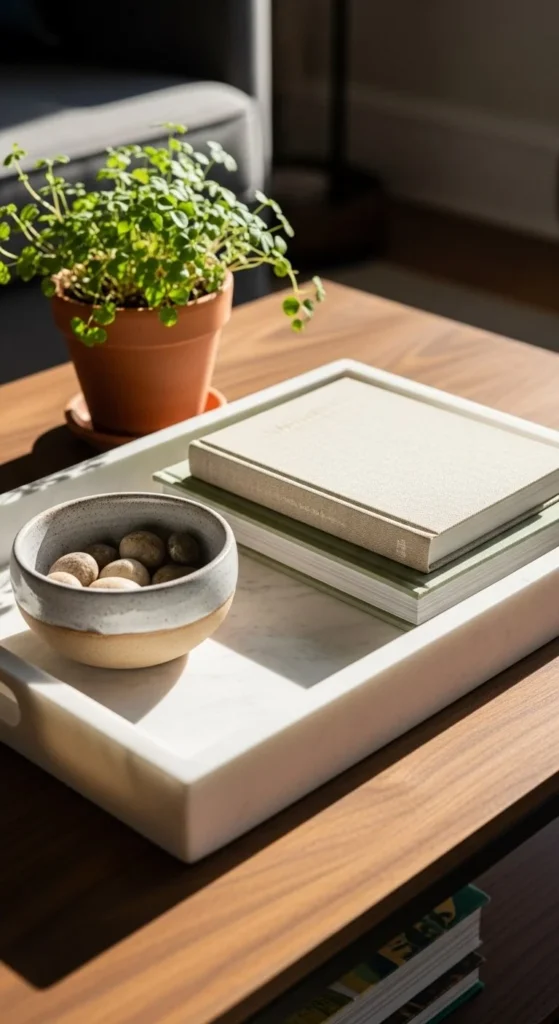
These combinations create visual interest without adding clutter.
Use Lighting to Highlight Texture
Lighting enhances texture by creating shadows and highlights.
Warm lighting is especially effective.
Use layered lighting such as:
- Table lamps
- Floor lamps
- Wall sconces
Soft light brings out the details in fabrics, wood grain, and woven surfaces.
Without proper lighting, textures may appear flat.
Lighting adds depth and atmosphere.
Keep the Room Balanced
While layering textures is important, balance is key.
Too many different materials can make a room feel chaotic.
To maintain harmony:
- Stick to a limited color palette
- Repeat materials throughout the room
- Leave some empty space
Negative space allows textures to stand out.
Professional interiors often feel calm because they avoid overcrowding.
Small Decorative Details Matter
Even small objects can contribute to layered texture.
Examples include:
- Handmade pottery
- Linen table runners
- Carved wooden bowls
- Textured wall art
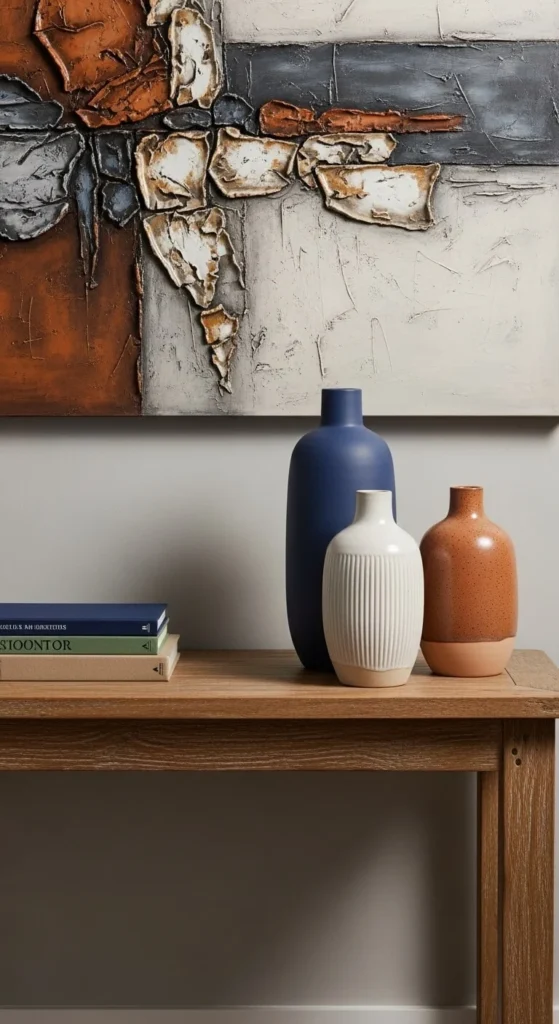
These details add personality while enhancing the overall texture mix.
Why Layered Texture Works
Layering textures creates a richer visual experience.
It helps rooms feel:
- Cozy
- Sophisticated
- Balanced
- Professionally styled
Even with minimal color, a textured room never feels dull.
Texture gives interiors depth and warmth.
Final Thoughts
Decorating with layered textures like a pro is all about combining materials thoughtfully. Start with a neutral base, mix soft and structured elements, add natural materials, and layer textiles throughout the room. Balance these textures with proper lighting and simple decor.
With the right approach, texture alone can transform a plain space into a beautifully styled interior.
Save this guide for later and start creating rooms that feel rich, cozy, and professionally designed.
Emily Parker is a home décor enthusiast and design blogger who believes every space deserves a touch of warmth and personality. With a love for cozy neutrals, modern textures, and DIY styling, she shares simple, beautiful ways to make your home feel like you. When she’s not rearranging throw pillows, you’ll find her hunting vintage finds or sipping coffee while planning her next room refresh.
Leave a Reply