

Wall art can completely transform a room. A blank wall feels unfinished and cold, but the right artwork adds personality, warmth, and visual balance. The key isn’t filling every wall — it’s placing art intentionally so it enhances the space instead of overwhelming it. When done correctly, wall art becomes the focal point that brings the entire room together.
Imagine walking into a living room where a beautiful artwork sits perfectly above the sofa, balanced and eye-catching. It doesn’t feel random — it feels purposeful, calm, and complete. That’s the power of styling wall art the right way.
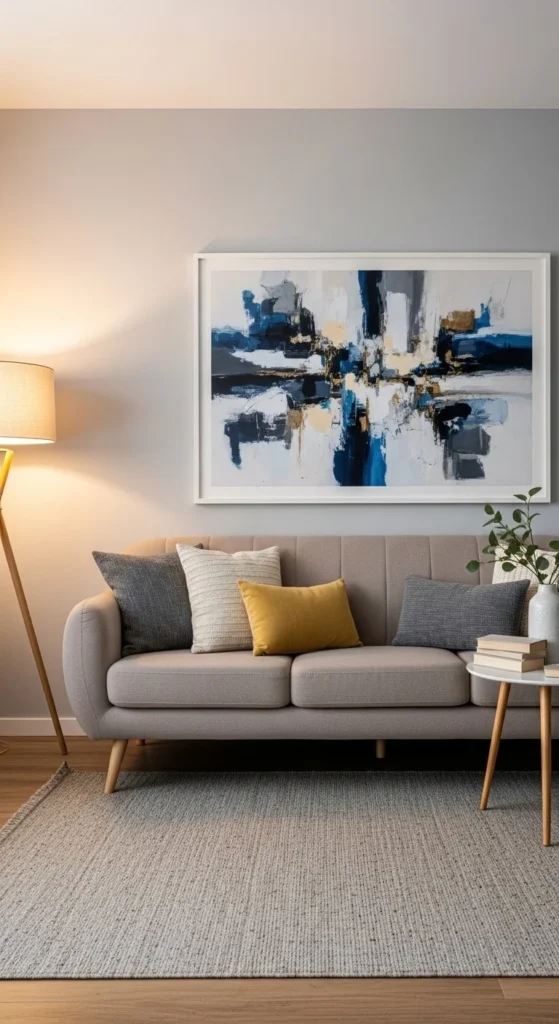
If you want your walls to look polished and professionally styled, these simple techniques will help you get it right.
Start With the Right Size
One of the most common mistakes is choosing artwork that’s too small. Small pieces can look lost on large walls.
As a general rule:
- Artwork above furniture should be about two-thirds the width of the furniture
- Large walls need large art or grouped pieces
- Small walls work best with smaller frames
For example, above a sofa, use one large artwork or a group of frames that fill enough space.
Oversized art often looks more intentional than tiny pieces scattered randomly.
Hang Art at the Right Height
Placement height makes a huge difference.
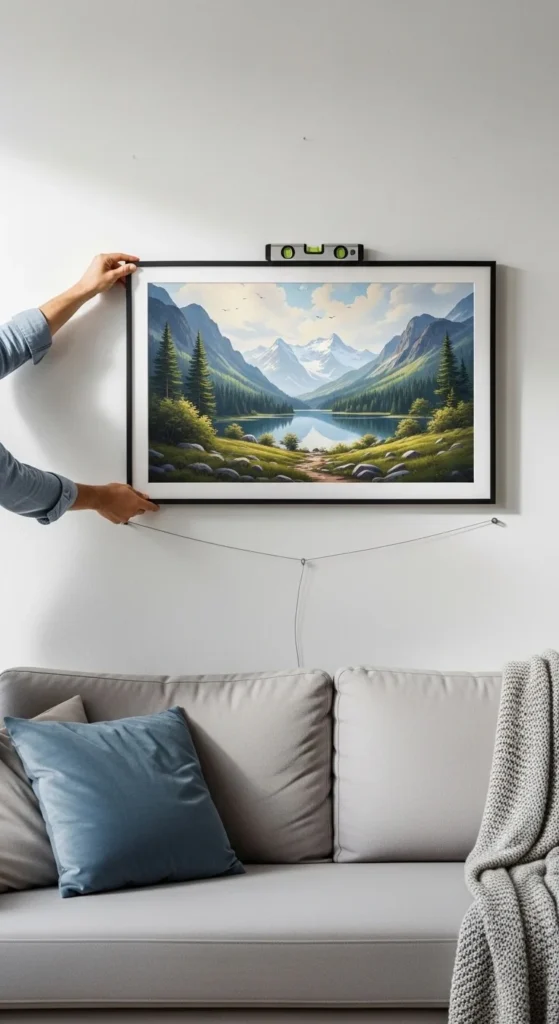
The center of your artwork should be about 57–60 inches from the floor, which aligns with average eye level.
If placing art above furniture:
- Leave about 6–10 inches of space between the furniture and the artwork
Too high feels disconnected. Too low feels crowded.
Proper height creates balance and harmony.
Use Gallery Walls for Visual Interest
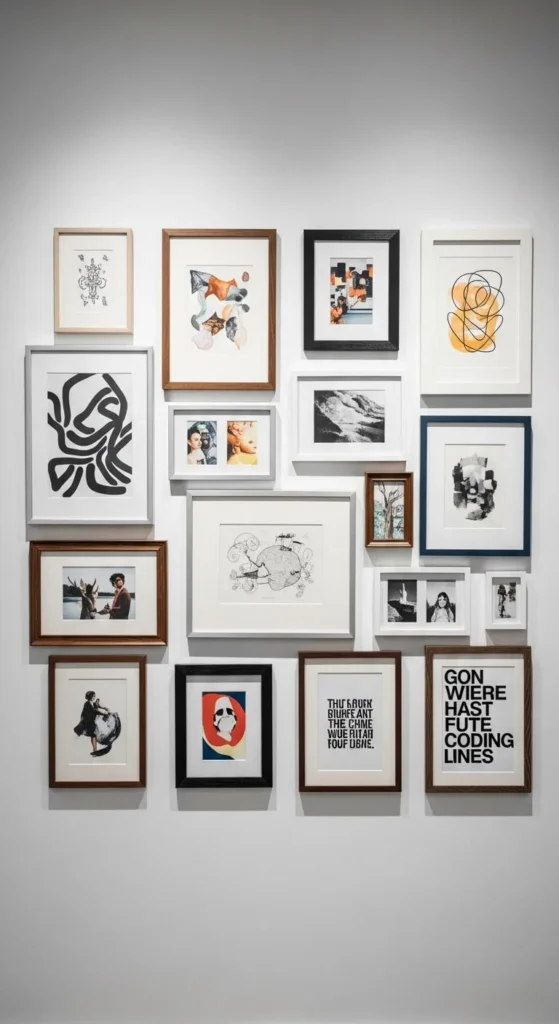
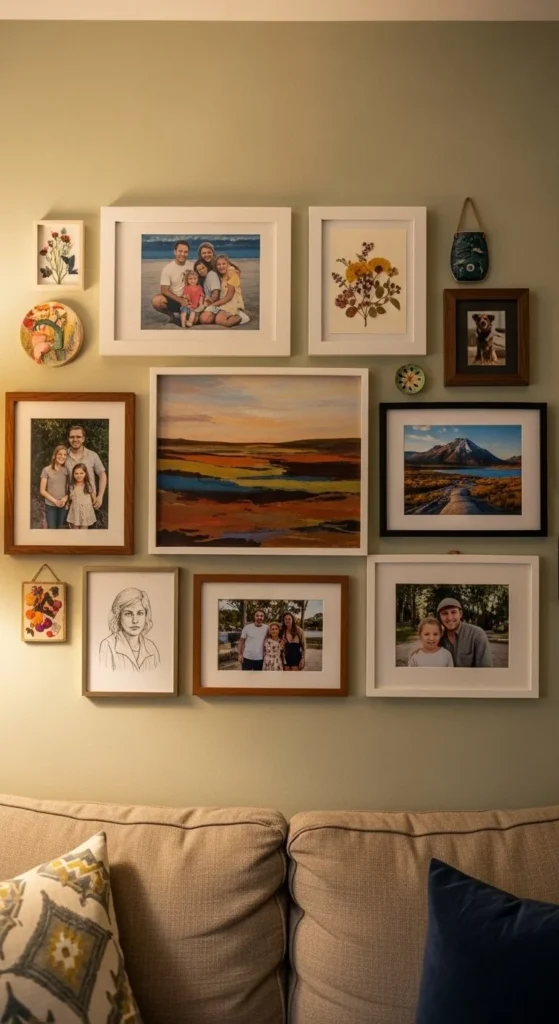
Gallery walls allow you to display multiple pieces together in a clean, cohesive way.
To create a balanced gallery wall:
- Lay frames on the floor first
- Mix sizes while keeping spacing consistent
- Leave about 2–3 inches between frames
You can use:
- Family photos
- Artwork prints
- Minimal designs
- Personal memories
Gallery walls make spaces feel personal and dynamic.
Match Art With Your Room’s Style
Wall art should complement your space, not clash with it.
For example:
Minimal rooms:
- Simple abstract art
- Neutral tones
Cozy rooms:
- Nature-inspired artwork
- Warm colors
Modern rooms:
- Bold or geometric designs
Consistency creates visual harmony.
Avoid mixing too many conflicting styles in one space.
Center Art Above Furniture
Art should align with the furniture below it.
Always center artwork above:
- Sofas
- Beds
- Console tables
- Dining tables
This creates balance and makes the room feel organized.
Off-center art can make the space feel awkward.
Use Art to Create a Focal Point
Wall art naturally draws attention. Use it intentionally.
Place art on walls you want to highlight, such as:
- Living room main wall
- Bed headboard wall
- Entryway wall
This gives the room structure and direction.
A strong focal point improves overall design.
Don’t Overcrowd Your Walls
Not every wall needs art. Empty space is important for balance.
Too much wall art can make a room feel cluttered.
Choose fewer pieces and place them intentionally.
Let artwork stand out instead of competing for attention.
Use Frames That Match Your Decor
Frames affect the overall look of your artwork.
Choose frames that match your room style:
- Black frames for modern spaces
- Wooden frames for warm, natural spaces
- White frames for clean, minimal spaces
Consistent frame styles create cohesion.
Avoid mixing too many frame colors in one area.
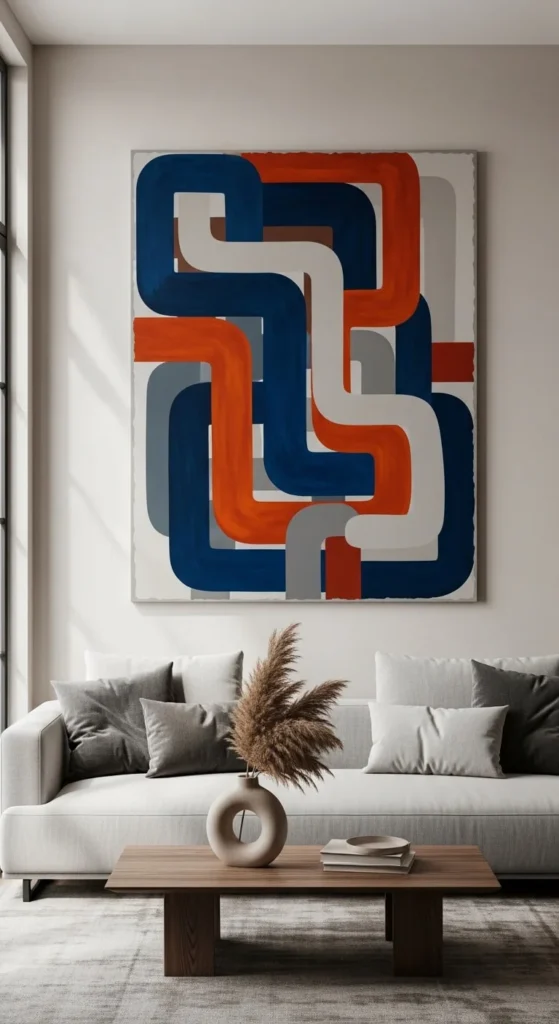
Add Large Art for Maximum Impact
Large artwork creates instant visual interest.
Instead of using multiple small pieces, try one large statement piece.
Large art:
- Makes rooms feel more complete
- Creates strong focal points
- Looks more intentional
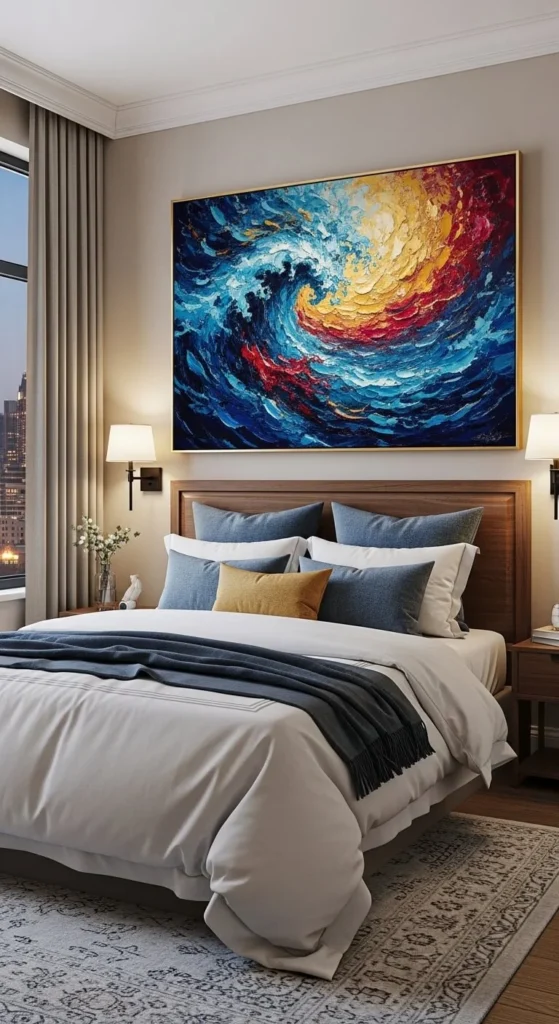
This works especially well above sofas and beds.
Lean Art for a Casual Look
You don’t always need to hang artwork. Leaning art creates a relaxed and modern feel.
Try leaning frames on:
- Shelves
- Consoles
- Dressers
This works well for layered styling.
It also makes it easy to change artwork later.
Use Art in Every Room
Wall art works in all spaces:
Living room: focal point above sofa
Bedroom: calming artwork above bed
Hallway: gallery wall
Entryway: welcoming art piece
Dining room: centered artwork above table
Each space benefits from thoughtful art placement.
Avoid Common Mistakes
Avoid these errors:
- Hanging art too high
- Choosing art too small
- Overcrowding walls
- Poor alignment with furniture
Fixing these instantly improves your space.
Make It Personal
Choose art that reflects your personality.
Use:
- Travel photos
- Meaningful prints
- Artwork you love
Personal art makes your home feel authentic.
Beautiful spaces aren’t about perfection — they’re about connection.
Final Takeaway
Decorating with wall art the right way is about size, placement, balance, and intention. Choose artwork that fits your space, hang it at the right height, and use it to create focal points. With thoughtful placement, wall art can transform any room into a space that feels complete, stylish, and uniquely yours.
Save this guide for later and start turning your blank walls into beautiful focal points today.
Emily Parker is a home décor enthusiast and design blogger who believes every space deserves a touch of warmth and personality. With a love for cozy neutrals, modern textures, and DIY styling, she shares simple, beautiful ways to make your home feel like you. When she’s not rearranging throw pillows, you’ll find her hunting vintage finds or sipping coffee while planning her next room refresh.
Leave a Reply