

There’s something instantly comforting about walking into a room where the floor feels warm, textured, and lived-in. Layered rugs do exactly that. They add depth, soften hard surfaces, hide imperfect floors, and make even the simplest space feel styled on purpose. But when done wrong, layers can look messy or accidental. When done right, they look effortlessly cozy — like a designer’s secret you can copy at home.
Think of layered rugs as adding a soft foundation for your life to unfold: morning coffee, lazy weekends, movie nights, and quiet moments on the floor with a book. It’s not just decor — it’s atmosphere.
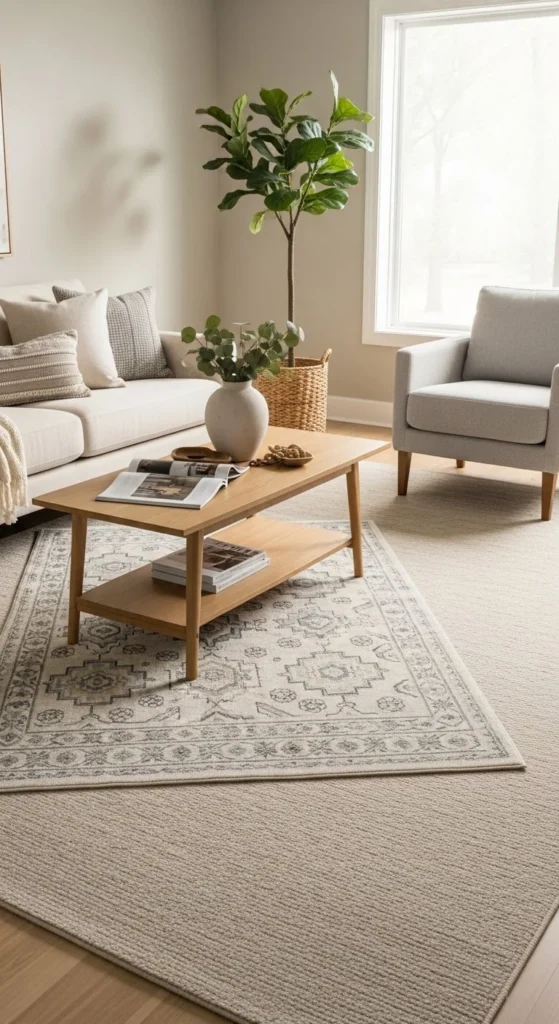
If you want that cozy, curated look without guessing, here’s exactly how to style layered rugs like a pro.
Start with a strong base rug
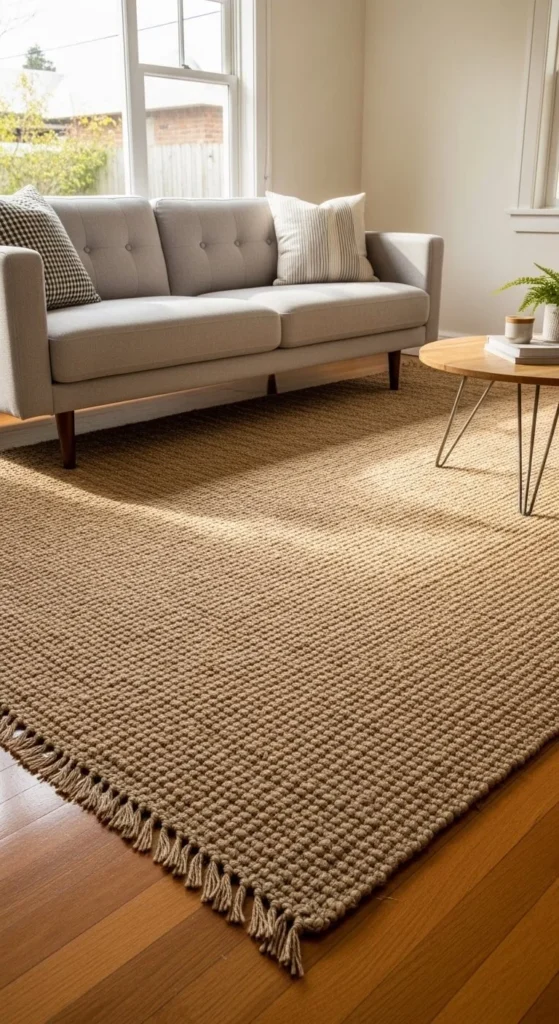
Every good rug stack begins with an anchor rug — your biggest layer that defines the space.
Choose something:
- Large enough to fit most of your furniture
- Neutral in tone (beige, cream, gray, or natural fiber)
- Simple in pattern or texture
Great base options:
- Jute or sisal
- Flatweave wool
- Soft neutral wool rug
This bottom layer is your canvas. It grounds the room and makes everything above it feel intentional instead of floating.
Your sofa legs, coffee table, and chairs should sit at least partly on this base rug so the whole seating area feels connected.
Add a smaller “hero” rug on top
Now comes the fun part — your top rug. This is where personality lives.
Look for something:
- Smaller than your base rug
- More patterned, colorful, or textured
- Visually interesting but not overwhelming
Classic pairings that always work:
- Jute base + vintage Persian rug
- Neutral wool base + colorful kilim
- Cream base + bold geometric print
Place the top rug slightly off-center or at an angle. Perfect symmetry can feel stiff — a slight shift makes it look relaxed and stylish.
Play with contrast (but keep harmony)
Layering is most beautiful when the two rugs feel different but related.
Contrast in:
- Texture (smooth + woven)
- Pattern (plain + busy)
- Color (neutral + pop of color)
But keep at least one thing consistent:
- A shared color family
- Similar warmth or coolness in tones
- A matching mood (boho, modern, farmhouse, etc.)
For example:
A beige jute base + a terracotta and navy patterned rug works because beige appears inside the top rug’s design.
Use layers to define zones
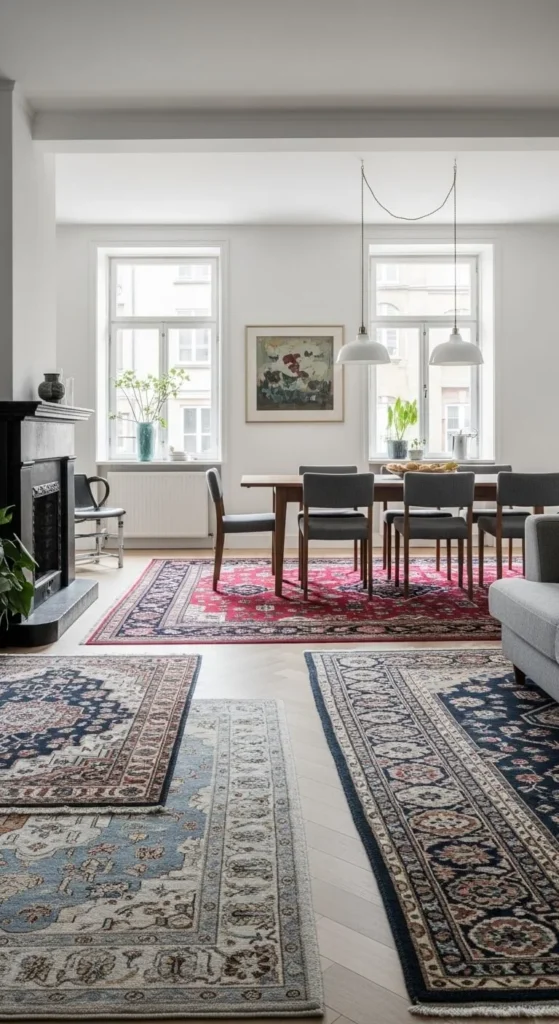
Layered rugs are perfect for open-plan spaces where you want clear areas without walls.
Try this:
- Living area: one layered stack
- Dining area: separate rug under the table
- Reading nook: small layered combo in the corner
This visually separates spaces while keeping everything connected.
Mix textures for maximum coziness
Texture is what makes layered rugs feel rich instead of busy.
Combine:
- Woven jute + plush wool
- Flatweave + shaggy runner
- Natural fiber + vintage textile
Your feet should feel a difference when you step from one layer to another — that tactile contrast is what makes the room feel warm and inviting.
In bedrooms, this is especially powerful:
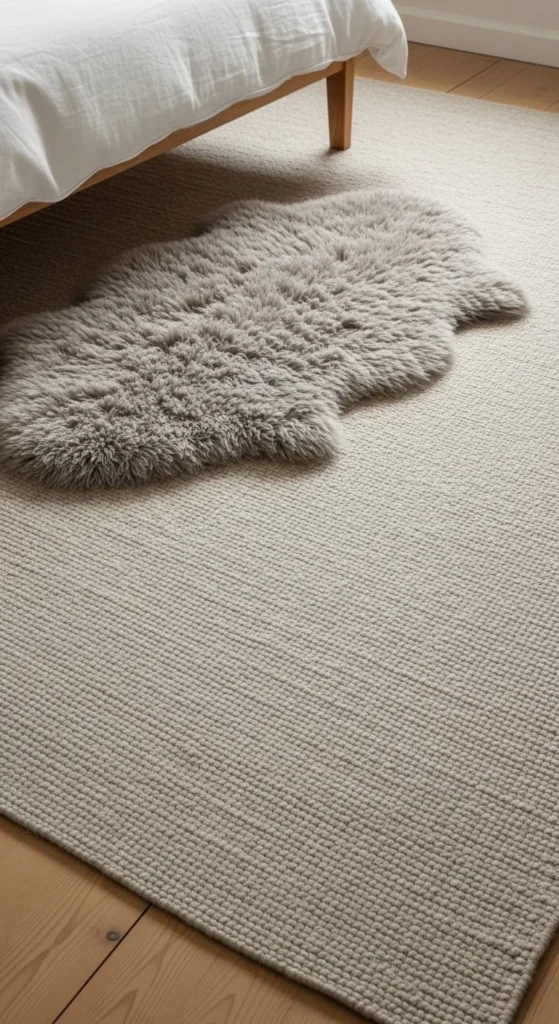
A soft wool rug under the bed with a smaller shaggy runner layered at the foot adds instant luxury.
Mind the scale and proportions
Layered rugs look best when sizes feel intentional:
- Base rug: large (8×10, 9×12, or bigger)
- Top rug: medium (4×6, 5×7, or 6×9)
Avoid stacking two rugs that are almost the same size — that just looks like a mistake instead of a style choice.
Also, leave some visible border of the bottom rug all around the top rug. This frame effect makes the layering feel deliberate.
Angle for an effortless look
If your space feels too formal, try turning the top rug slightly on a diagonal.
This trick:
- Adds movement
- Makes the room feel casual and creative
- Works especially well in boho and eclectic spaces
Use this under coffee tables, side chairs, or in reading corners.
Secure the layers (don’t skip this)
Sliding rugs are not cozy — they’re annoying.
Use one of these under the top rug:
- Rug gripper pads
- Double-sided rug tape
- Non-slip underlay
This keeps everything in place and makes your layered setup safe and practical for everyday life.
Use color wisely
Layered rugs are a great way to introduce color without repainting walls or buying new furniture.
Try one of these approaches:
Soft and calm:
Neutral base + pastel or muted top rug
Bold and lively:
Neutral base + jewel-toned top rug
Warm and cozy:
Beige base + terracotta, rust, or mustard tones
If your room already has strong colors, keep the top rug simpler. If your room is very neutral, let the top rug shine.
Room-by-room ideas
Living room:
Large jute base + vintage patterned rug under the coffee table.
Bedroom:
Big wool rug under the bed + small fluffy runner at the foot.
Dining room:
Plain base rug + smaller patterned rug under the table for softness.
Entryway:
Durable flatweave base + colorful runner layered on top.
Each space benefits from layering — you just adjust size and texture.
Keep it clean and cozy
Layered rugs need a little care so they always look fresh.
- Vacuum both layers regularly
- Shake out smaller rugs outdoors
- Spot-clean spills quickly
- Rotate rugs every few months to avoid wear
This keeps colors vibrant and textures soft underfoot.
Common mistakes to avoid
Don’t:
- Stack too many rugs (two is usually perfect)
- Choose two rugs that are too busy together
- Forget to anchor furniture on the base rug
- Skip rug pads
Do:
- Start neutral, then add personality
- Play with angles
- Balance texture and color
Final takeaway
Layered rugs are one of the easiest ways to make your home feel instantly warmer, richer, and more inviting. Start with a neutral base, add a smaller statement rug, play with texture, and secure everything in place.
Once you try it, you’ll wonder how your rooms ever felt cozy without it.
Love this idea? Save this guide for later — and start layering your way to a softer, more stylish home.
Emily Parker is a home décor enthusiast and design blogger who believes every space deserves a touch of warmth and personality. With a love for cozy neutrals, modern textures, and DIY styling, she shares simple, beautiful ways to make your home feel like you. When she’s not rearranging throw pillows, you’ll find her hunting vintage finds or sipping coffee while planning her next room refresh.
Leave a Reply