

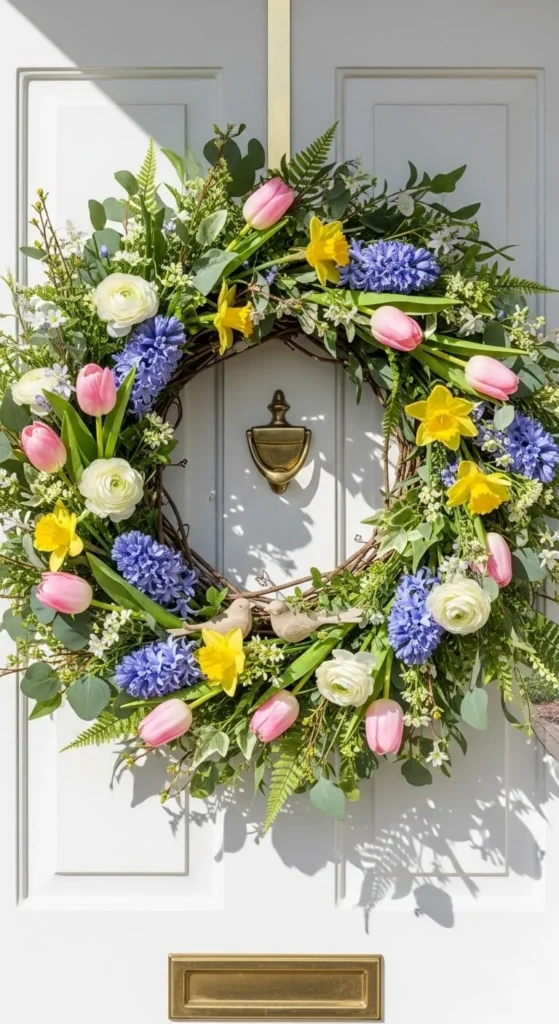
Spring is the season when small exterior updates feel extra rewarding. A wreath is one of the simplest ways to change how your home feels from the street. It signals care, warmth, and personality without a big price tag. Whether you enjoy crafting or prefer quick assembly, the ideas below focus on simple materials, easy swaps, and styles that work on real homes. Each option is approachable, flexible, and easy to adjust with items you may already have.
1. Tulip Pop Wreath
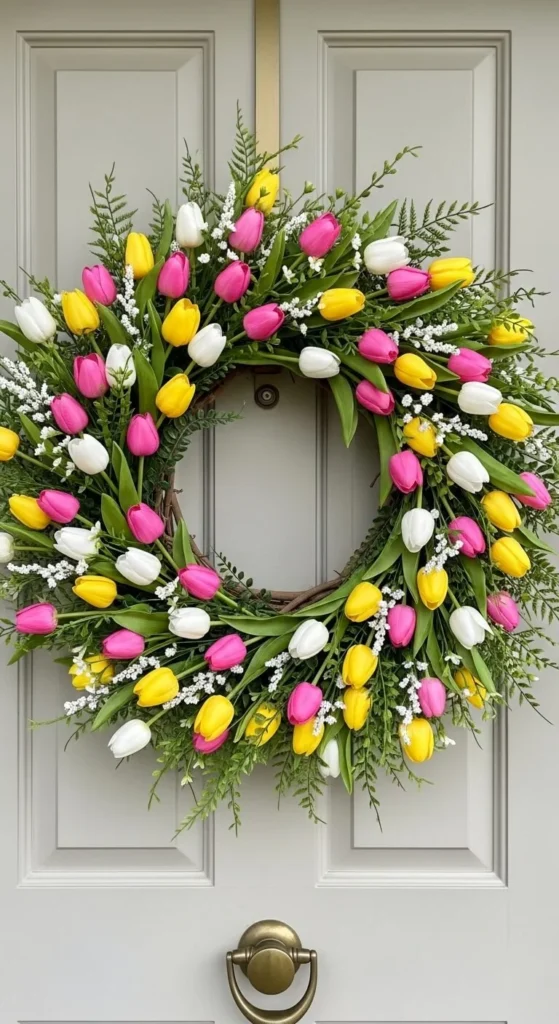
Tulips instantly say spring. Faux tulips work well and last year after year. Start with a grapevine base. Tuck stems in at an angle instead of evenly spacing them. This keeps it relaxed. Choose two main colors and one neutral. White balances brighter shades. Secure with floral wire instead of glue so you can reuse the base later. If your door is dark, pick lighter blooms. For light doors, bold colors stand out better. A small ribbon tied loosely at the bottom adds charm without clutter. For budget savings, mix dollar-store stems with a few higher-quality flowers in front.
2. Minimal Greenery Ring
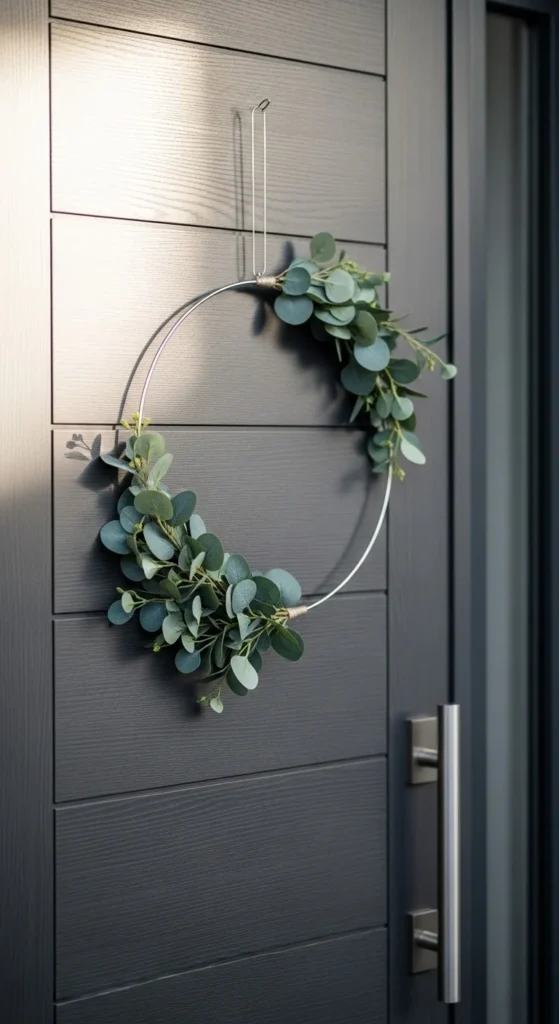
A thin metal hoop keeps things clean and modern. Wrap faux eucalyptus around one side only. Leaving part of the hoop bare adds contrast. This style works well on small doors or apartments. Zip ties hold greenery firmly and hide easily. Spray the leaves with matte sealer to reduce shine. If you want variation, swap eucalyptus for olive or boxwood. Keep colors muted for a calm look. This wreath pairs well with black, gray, or wood doors.
3. Pastel Egg Accent Wreath
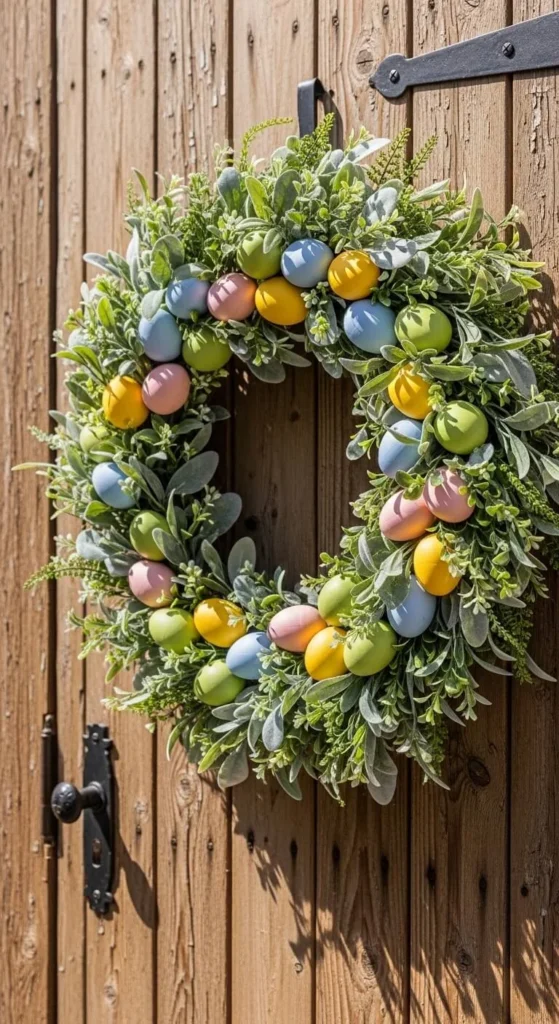
Pastel eggs add seasonal charm without feeling loud. Use small eggs and space them apart. Too many can feel crowded. Neutral greenery keeps the colors balanced. Hot glue works best here. Stick to soft pink, blue, and cream. Skip glitter for a cleaner finish. This wreath works well through early spring and Easter. Store it in a shallow box to protect the eggs for reuse next year.
4. Lavender Field Style
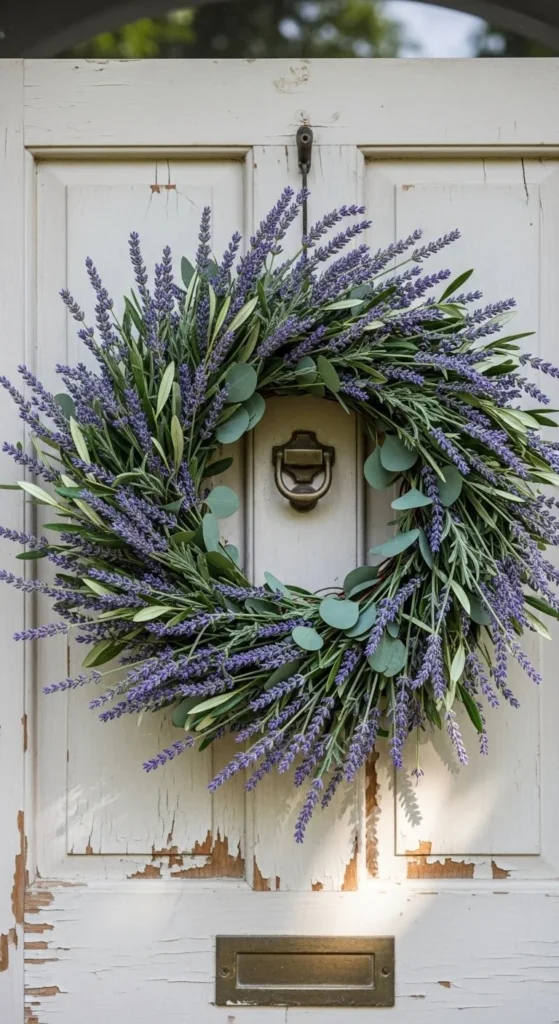
Lavender brings color without overpowering. Faux lavender lasts longer than dried stems outdoors. Use a foam base for fuller coverage. Keep all stems facing the same direction. This creates flow. Add a simple twine bow for texture. Purple looks great on white, navy, or pale gray doors. Trim stems close to the base to avoid bulk.
5. Wildflower Mix
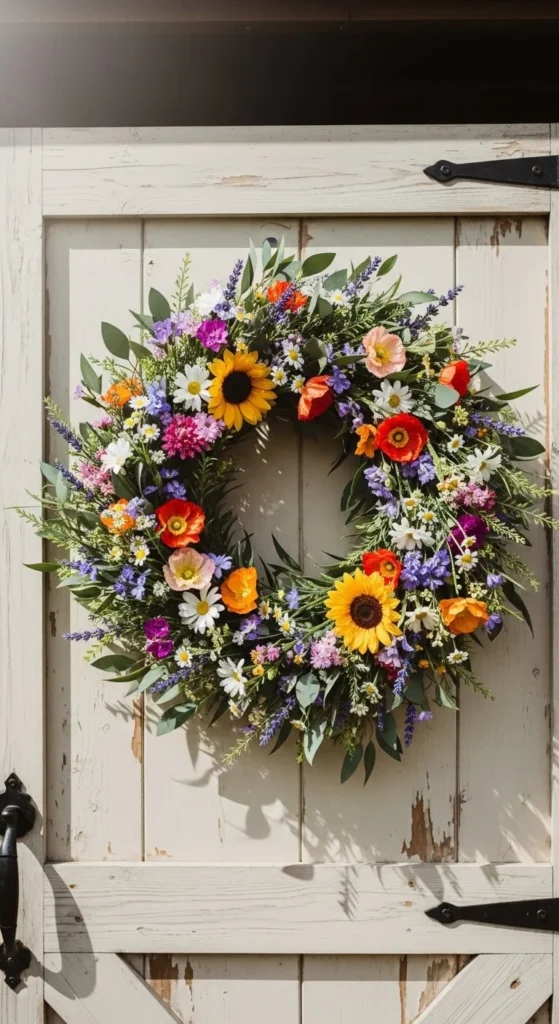
Wildflowers feel relaxed and welcoming. Mix different flower sizes for depth. Avoid matching sets. Odd numbers look more natural. Use a grapevine base and tuck stems loosely. Let some pieces stick out. This style hides imperfections well. Great for beginners. Add new stems each year to refresh it without starting over.
6. Lemon and Greenery Wreath
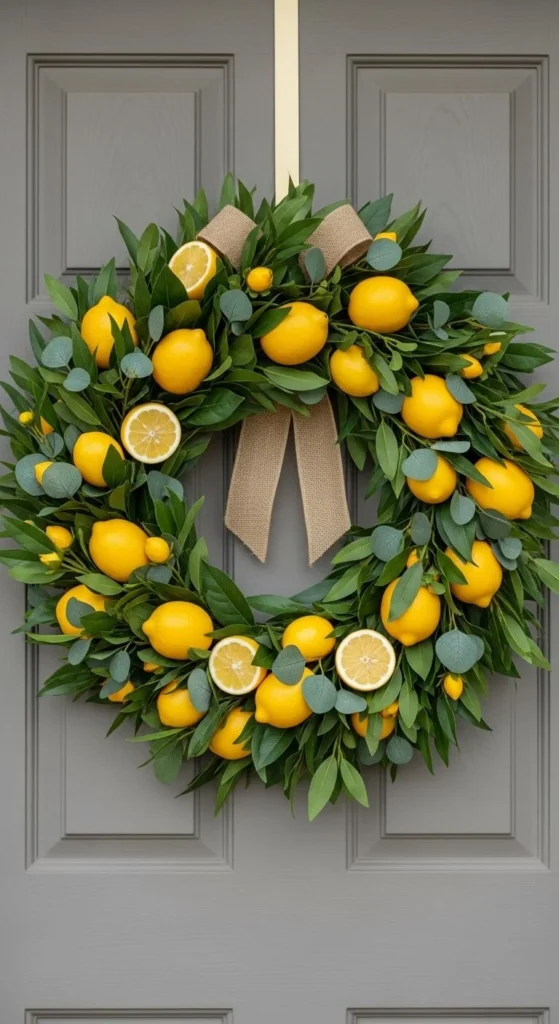
Faux lemons bring cheerful color. Pair them with deep green leaves for contrast. Use a sturdy base since lemons add weight. Space fruit evenly. This wreath pops on dark doors. Keep other decor simple so the wreath stands out. Store wrapped in tissue to prevent dents.
7. Moss Base Statement
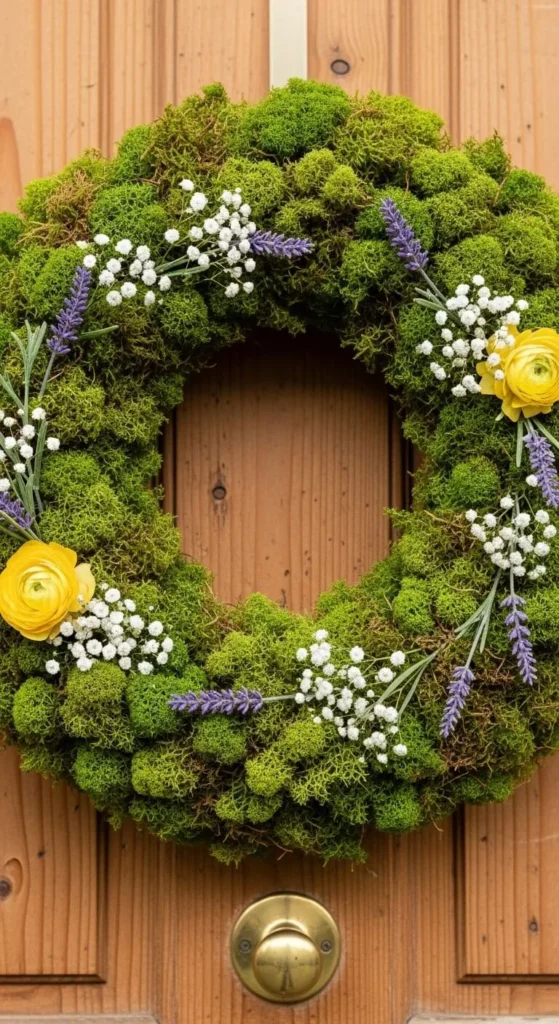
A moss-covered base feels earthy and calm. Use preserved moss sheets for even coverage. Add only a few small flowers on one side. Neutral tones keep it versatile. This style fits cottages and modern homes alike. Hang it with a leather strap for added texture.
8. Farmhouse Cotton Touch
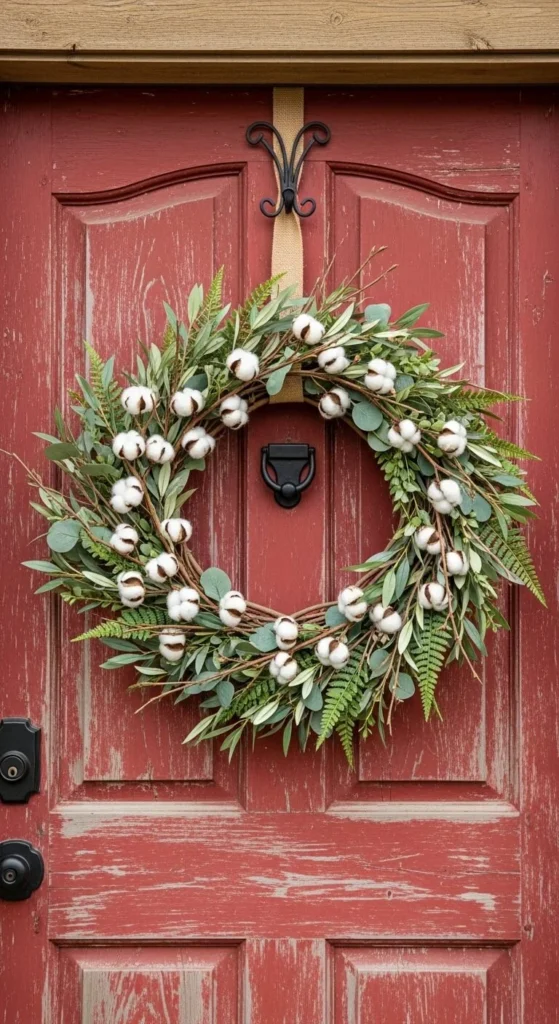
Cotton stems add softness. Pair them with simple greenery and thin twigs. This keeps it from feeling heavy. Stick to neutral shades. This wreath works well from late winter through spring. It looks best on wood or muted paint colors.
9. Floral Monochrome
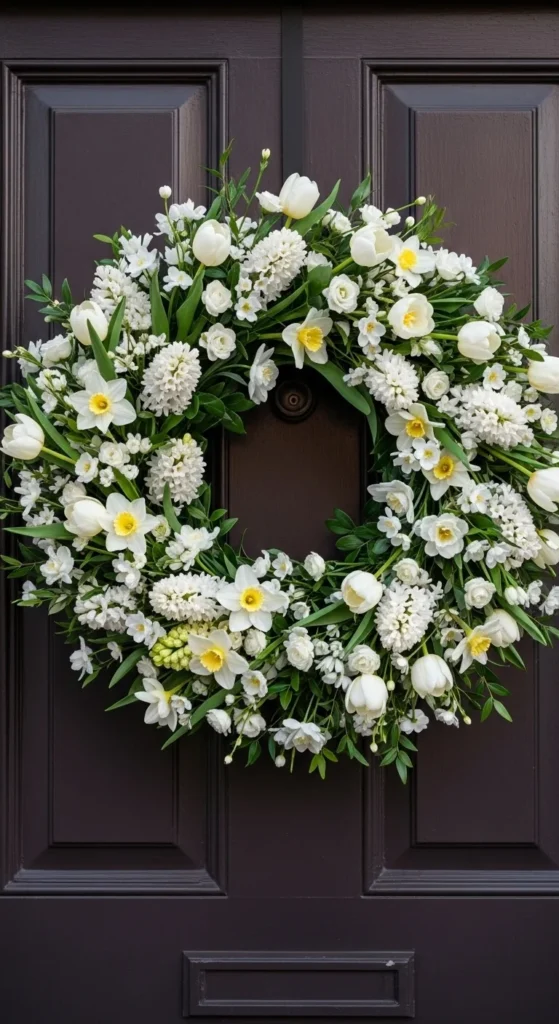
One color keeps things polished. White flowers feel calm and bright. Mix textures instead of colors. Use roses, ranunculus, and small filler blooms. Keep greenery minimal. This wreath pairs well with bold door colors.
10. Daisy Chain Style
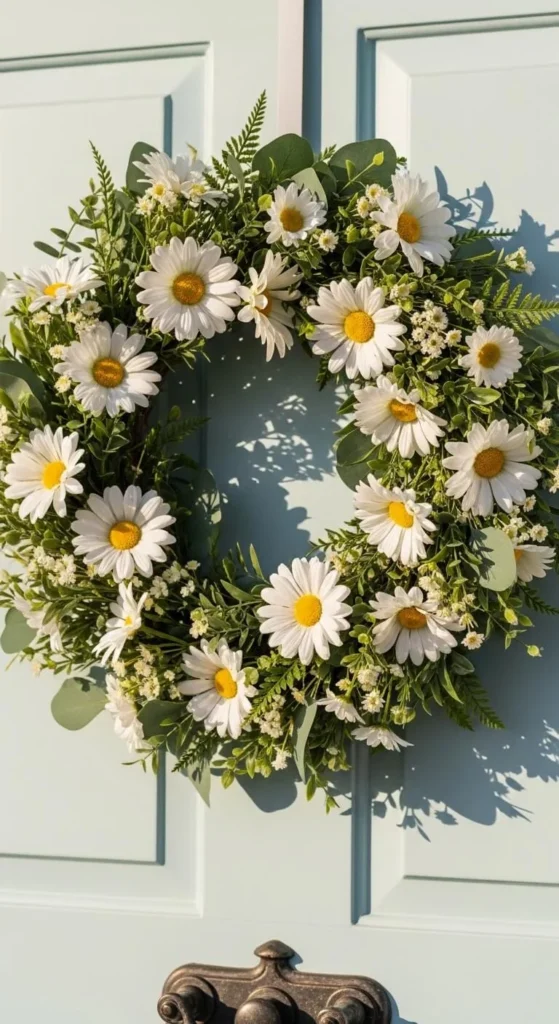
Daisies feel cheerful and familiar. Use a foam base for fullness. Space blooms evenly. Yellow centers add warmth without extra effort. This wreath works well for family homes and casual styles.
11. Herb Garden Look
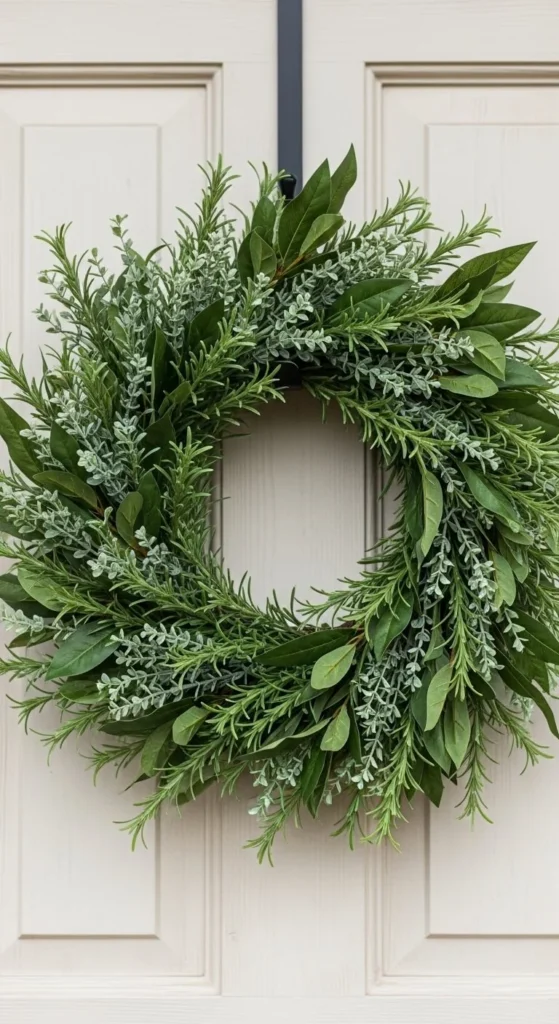
Herb-style greenery feels simple and fresh. Stick to one or two types. Keep it loose. This wreath suits kitchens, side doors, and smaller entryways. Add a small tag shape for charm without words.
12. Soft Blush Florals
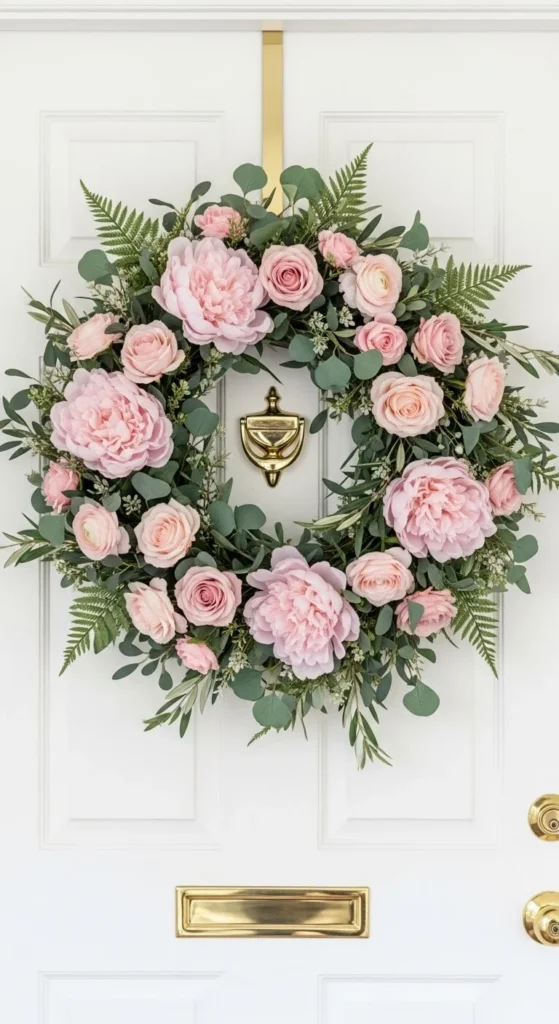
Blush tones feel gentle. Pair them with muted green leaves. Avoid dark accents. This wreath works well with light siding. Store flat to keep petals from bending.
13. Butterfly Accent Wreath
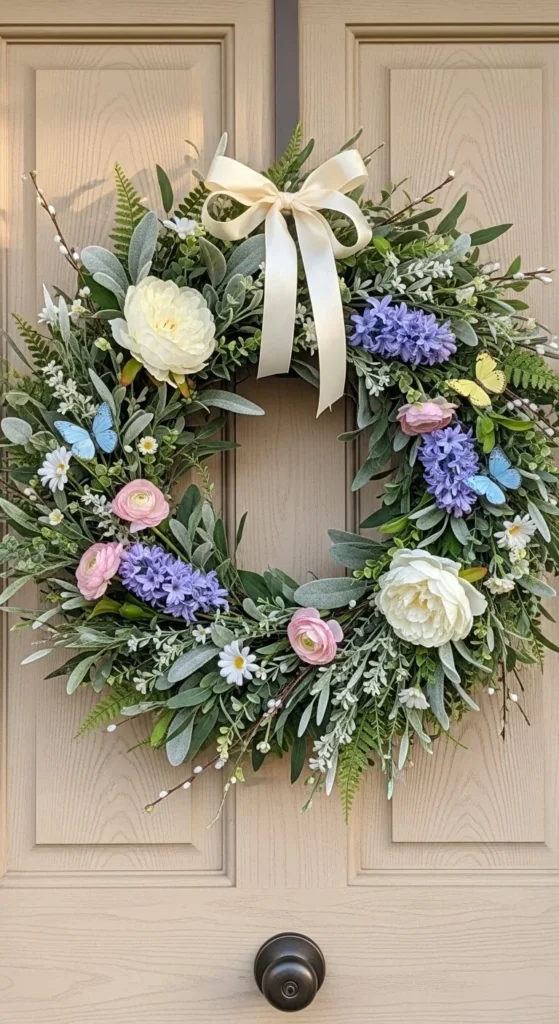
Butterflies add movement. Use only two or three. Keep colors soft. Attach them lightly so they sit above the flowers. This keeps the look playful, not busy.
14. Rope and Greenery Combo
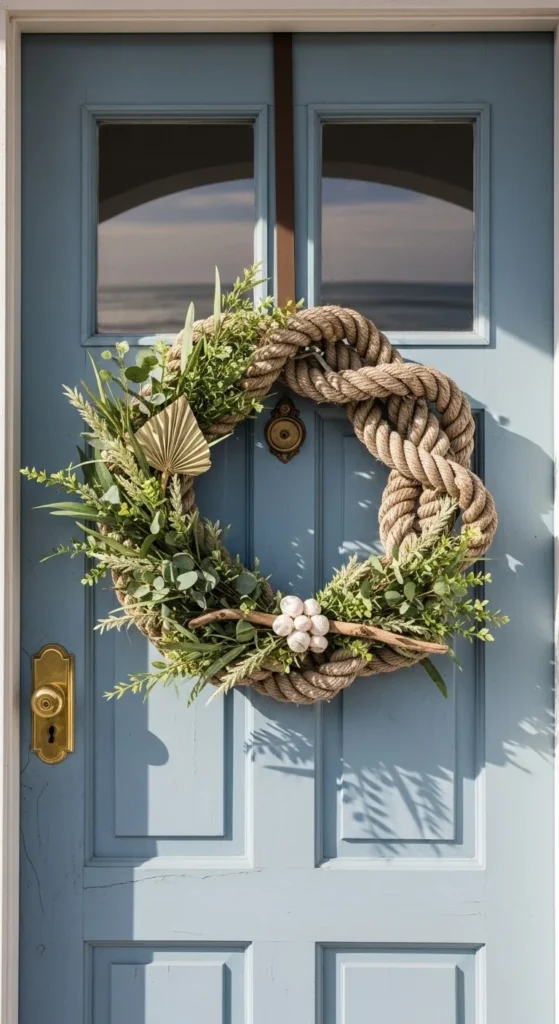
Rope adds texture. Wrap it around part of the base. Add greenery on one side only. This style suits coastal or casual homes. It’s durable and easy to store.
15. Cherry Blossom Branches
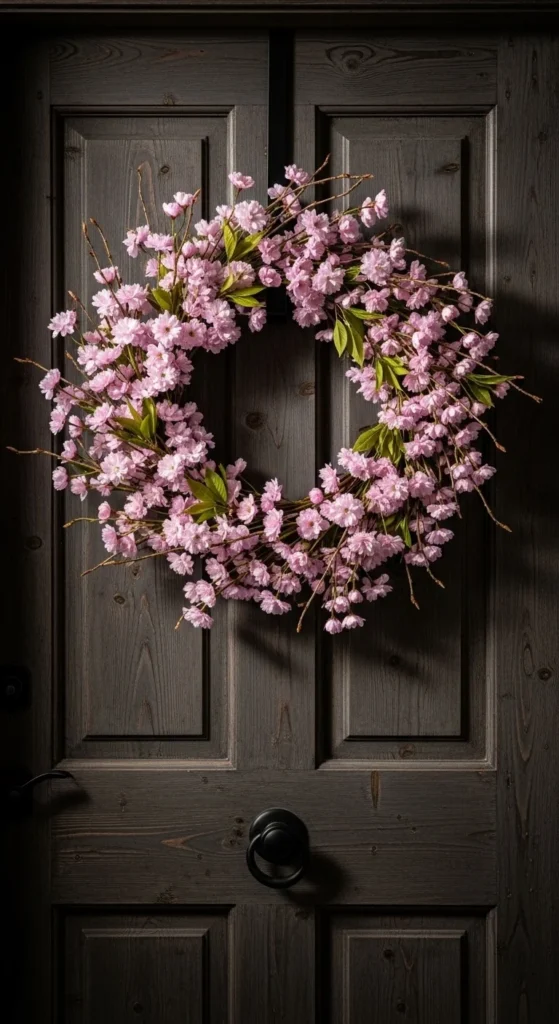
Cherry blossoms feel light and airy. Let branches extend slightly beyond the base. This adds height. Pink stands out well against dark doors.
16. Basket-Style Wreath
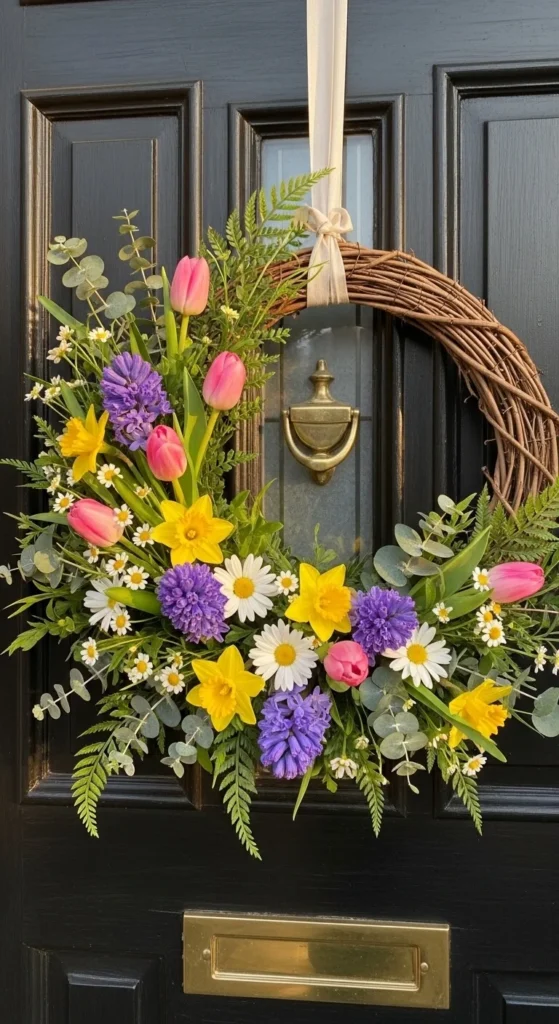
A half basket feels unique. Fill it loosely. Let stems spill naturally. This is easy to refresh with new flowers each season.
17. Yellow Floral Burst
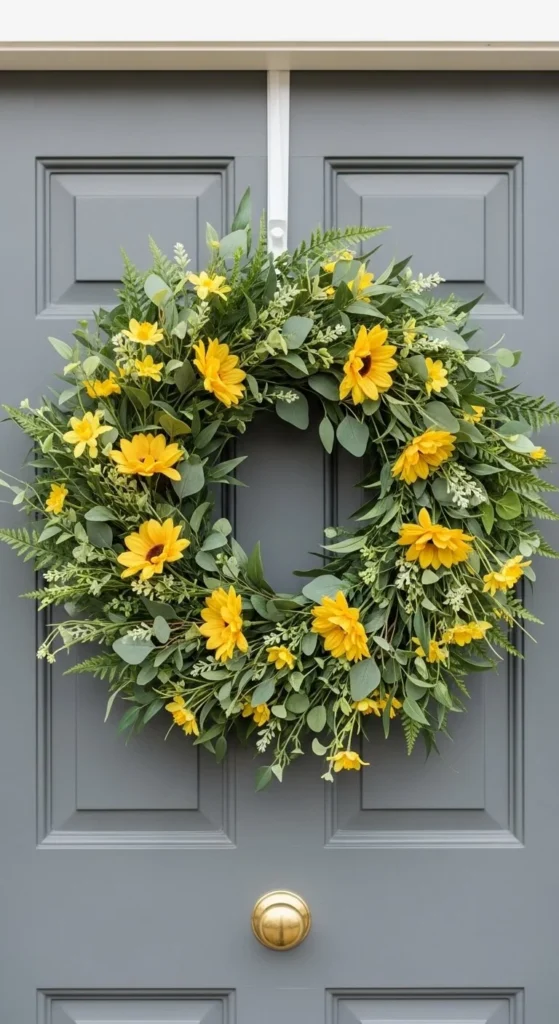
Yellow brings instant cheer. Balance it with plenty of green. Use larger blooms sparingly. This wreath stands out from the curb.
18. Neutral Dried Look
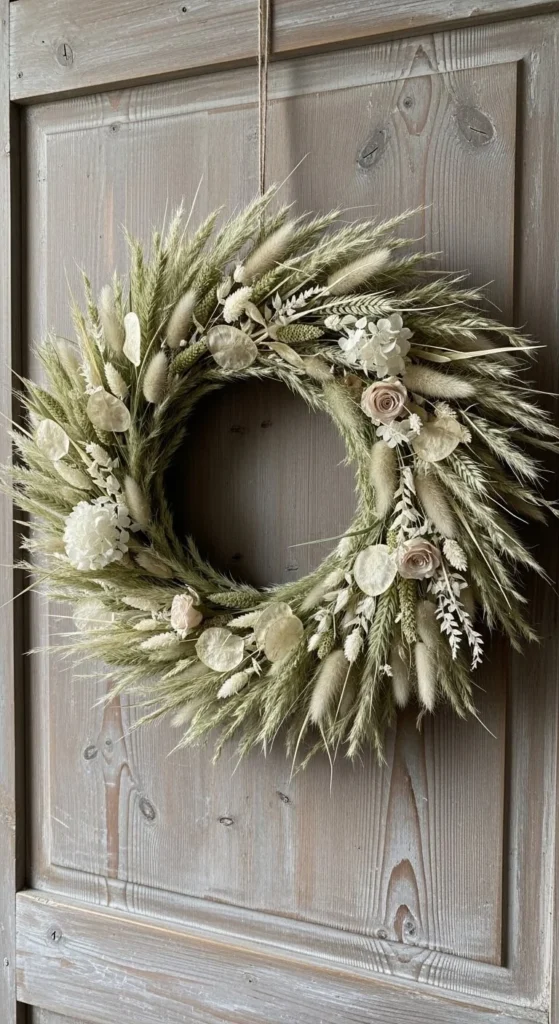
Neutral dried stems feel calm. Faux versions last longer outdoors. This style suits minimal homes and stays up longer into summer.
19. Boxwood Classic
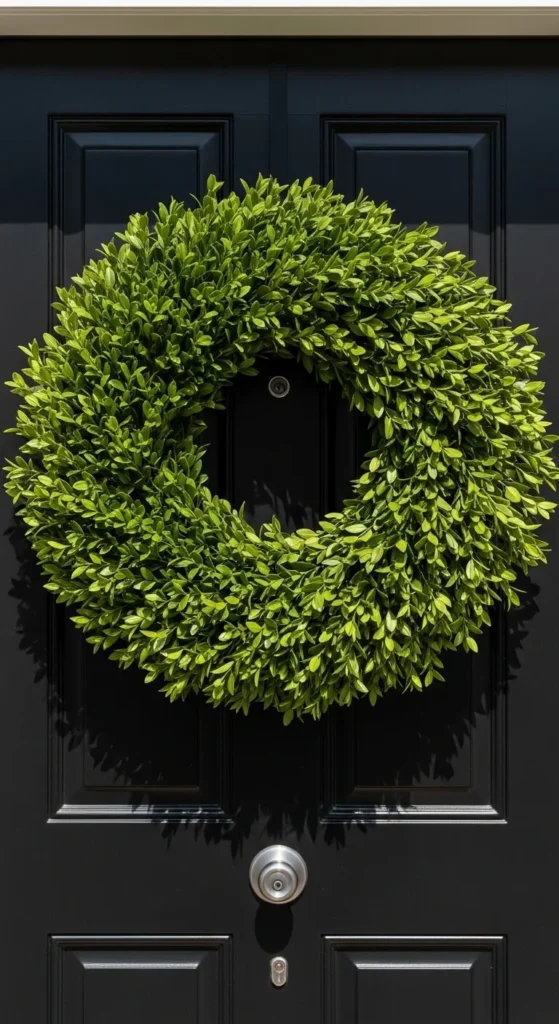
Boxwood never goes out of style. Keep it full and evenly shaped. Add a simple bow if you want a seasonal touch.
20. Peony Statement
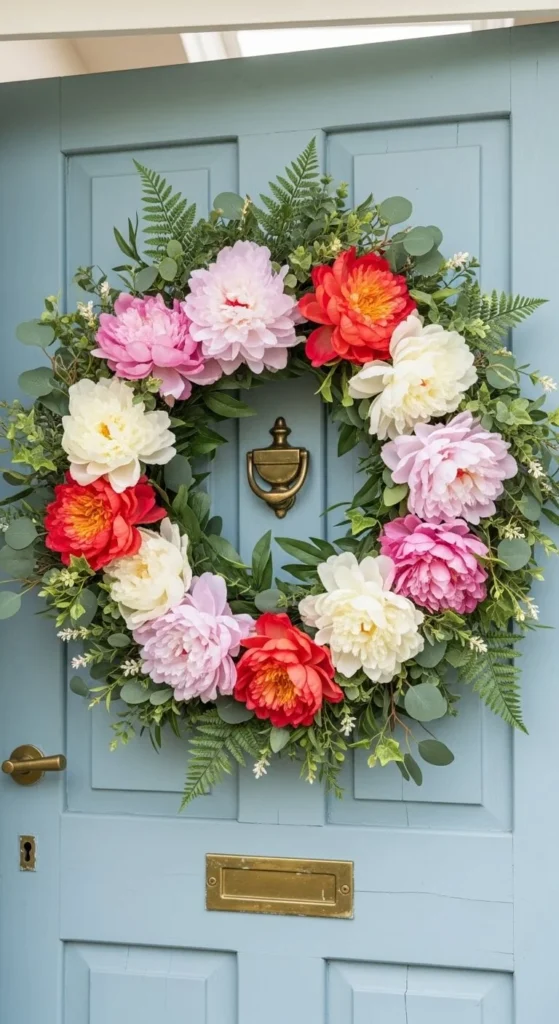
Peonies add drama. Use just a few large blooms. Place them off-center. This keeps it balanced.
21. Rain Boot Floral Ring
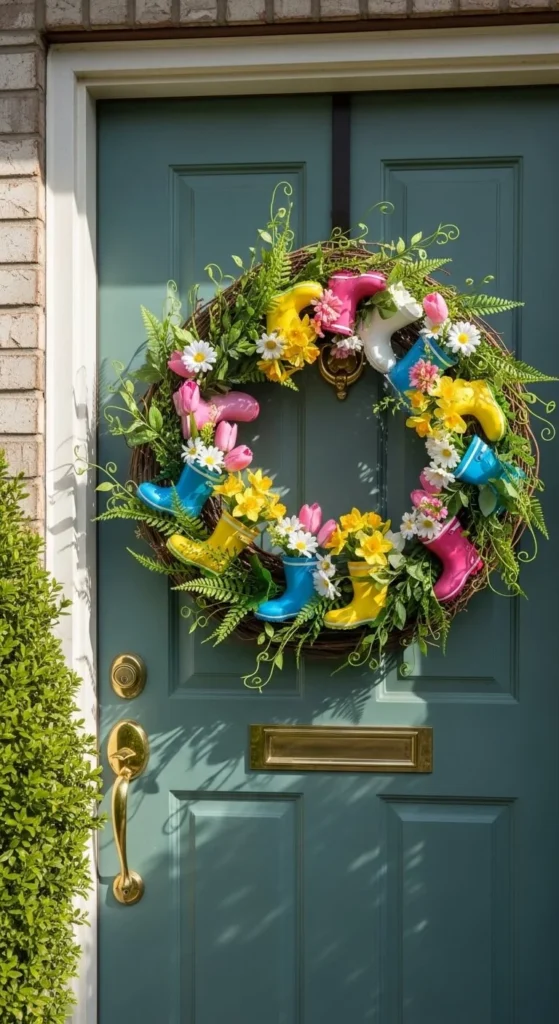
Small accents like rain boots add charm. Keep the rest simple. This works well for playful homes.
22. Sunflower Spring Blend
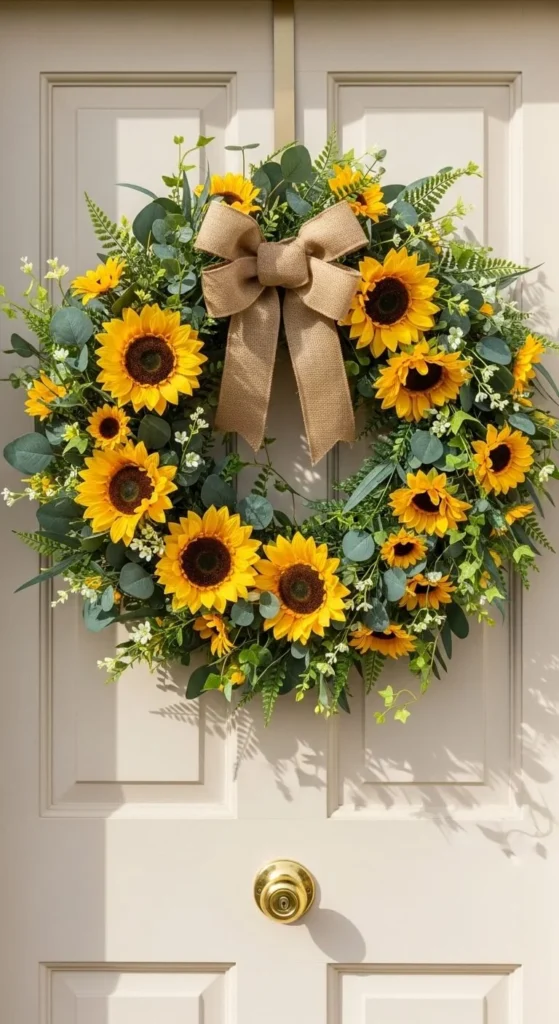
Sunflowers bridge spring and summer. Use medium-sized blooms. Balance with greenery so it doesn’t feel heavy.
23. Ribbon-Focused Wreath
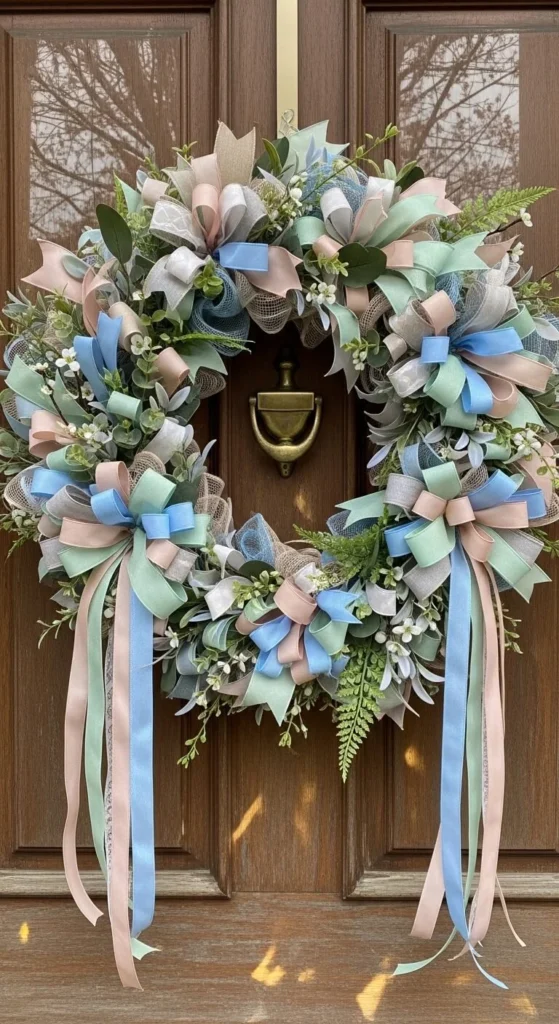
Wide ribbon can be the star. Choose soft colors. Layer loops loosely. Add minimal greenery to frame it.
Conclusion
A spring wreath is a small change with big visual impact. With simple materials and thoughtful color choices, you can refresh your entry without spending much. Pick a style that fits your door and your time. Even small updates can make your home feel welcoming every time you pull into the driveway.

Emily Parker is a home décor enthusiast and design blogger who believes every space deserves a touch of warmth and personality. With a love for cozy neutrals, modern textures, and DIY styling, she shares simple, beautiful ways to make your home feel like you. When she’s not rearranging throw pillows, you’ll find her hunting vintage finds or sipping coffee while planning her next room refresh.
Leave a Reply