

Adding colour to your home is one of the quickest ways to refresh your space—but it can also feel intimidating. Too much colour can overwhelm a room, and too little can make it feel flat. The trick is striking the right balance so your home looks stylish, warm, and thoughtfully designed.
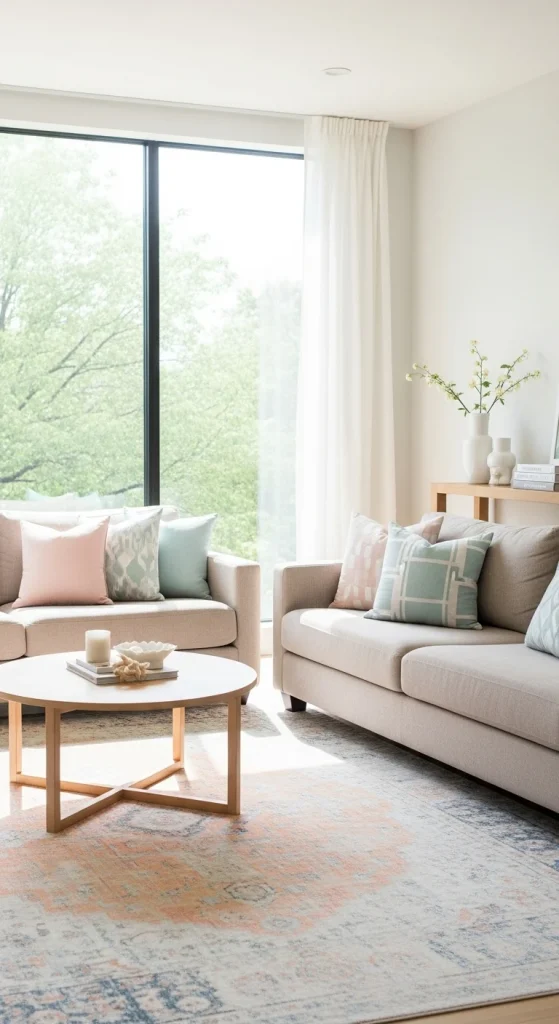
Start With a Neutral Base
Before diving into bold colours, anchor your space with neutrals. Think whites, creams, beiges, greys, and soft taupes. These shades create a calming canvas and give your décor space to breathe.
Why this works:
- Neutrals make colourful elements stand out without clashing
- They keep your home looking cohesive
- You can easily switch accent colours in the future
Once your base is set, you can add colour through small, intentional pieces.
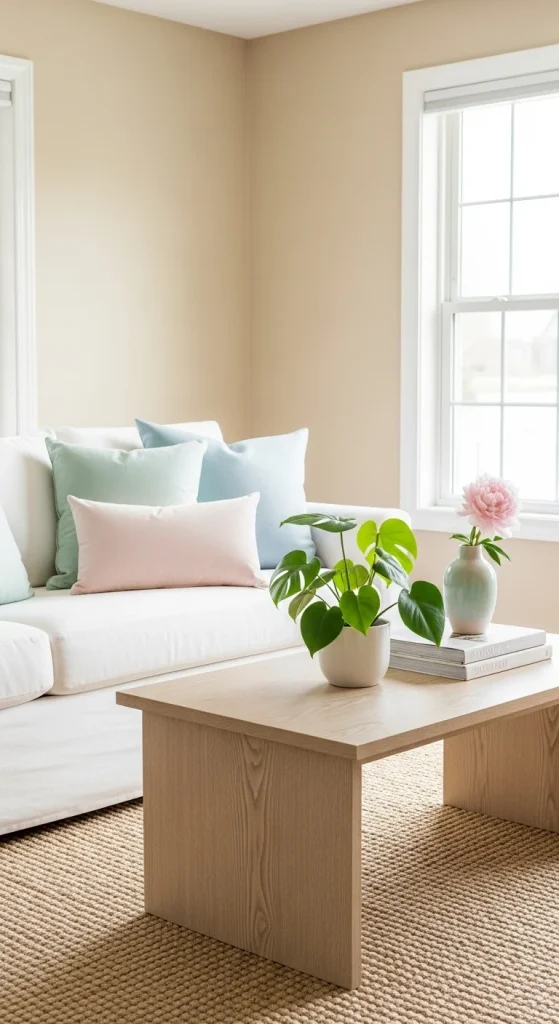
Use Colour in Small, Strategic Doses
You don’t need to cover entire walls in bright paint to use colour well. Small touches can make just as much impact.
Try adding colour through:
- Throw pillows
- Blankets
- Artwork
- Accent chairs
- Lamps
- Plants
A “little but layered” approach keeps everything balanced and prevents the room from feeling chaotic.
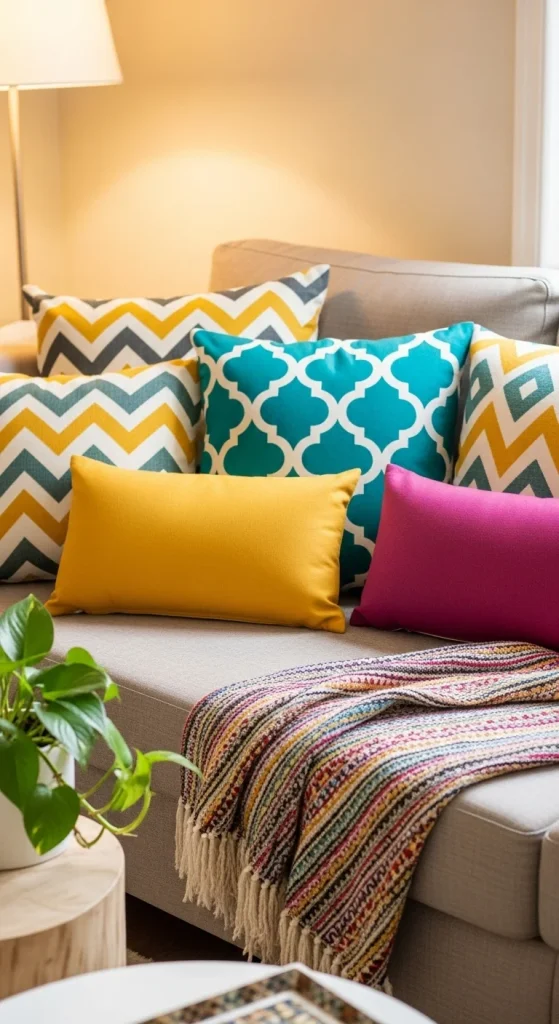
Pick a Consistent Colour Palette
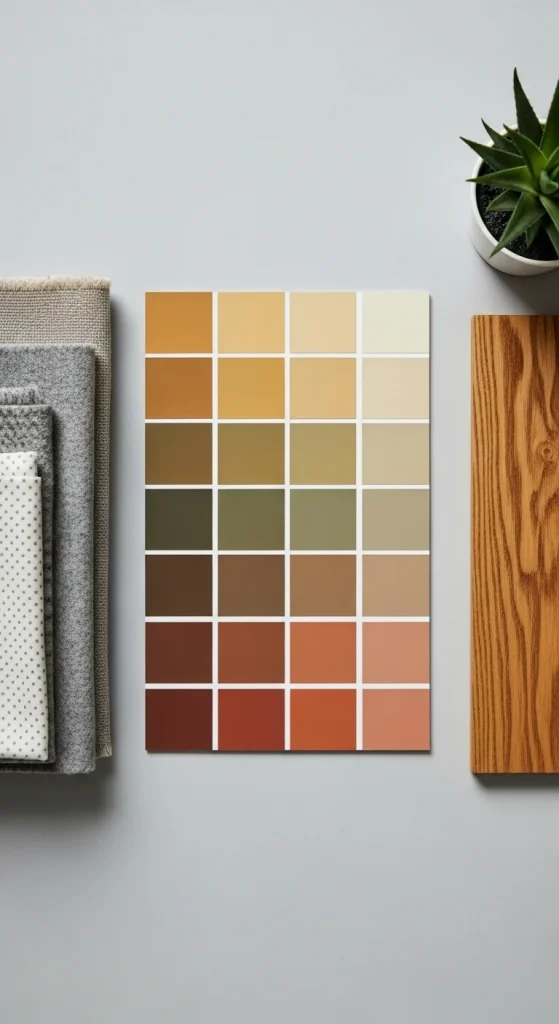
Choosing a colour palette helps your décor feel intentional instead of random. Pick 2–3 main colours and use them throughout your space.
A great palette might look like:
- Soft blue
- Warm beige
- Muted gold
Or:
- Forest green
- Tan
- Cream
This keeps your home visually connected while still giving you room to add personality.
Experiment With Colourful Accent Walls
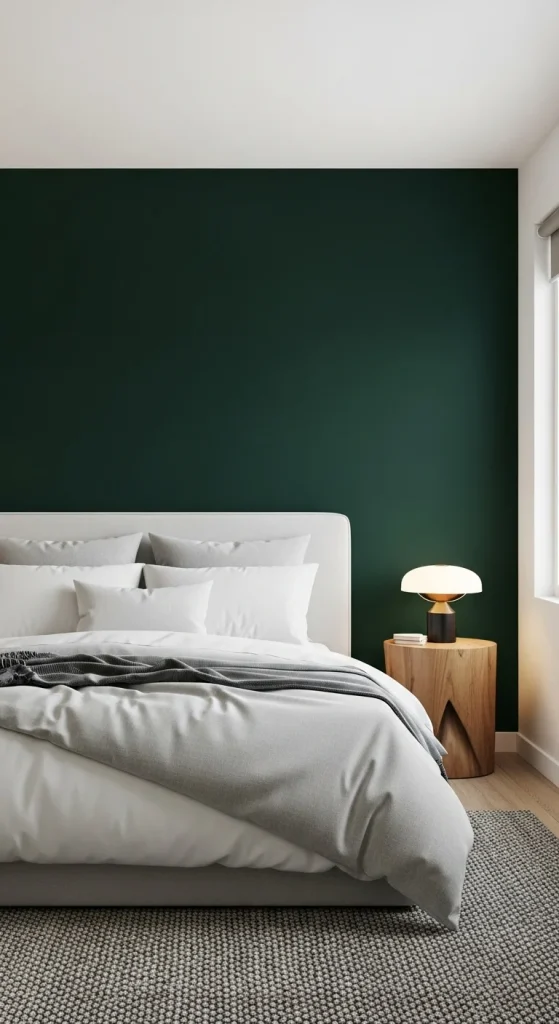
If you’re ready for something bolder, an accent wall is a fun option. Instead of painting the whole room, choose one wall to make a statement.
Accent wall ideas:
- Deep green behind the bed
- Soft terracotta in the dining room
- Deep navy behind a sofa
- Muted mustard in an entryway
Accent walls add depth without overwhelming the rest of the room.
Balance Bold Colours With Natural Elements
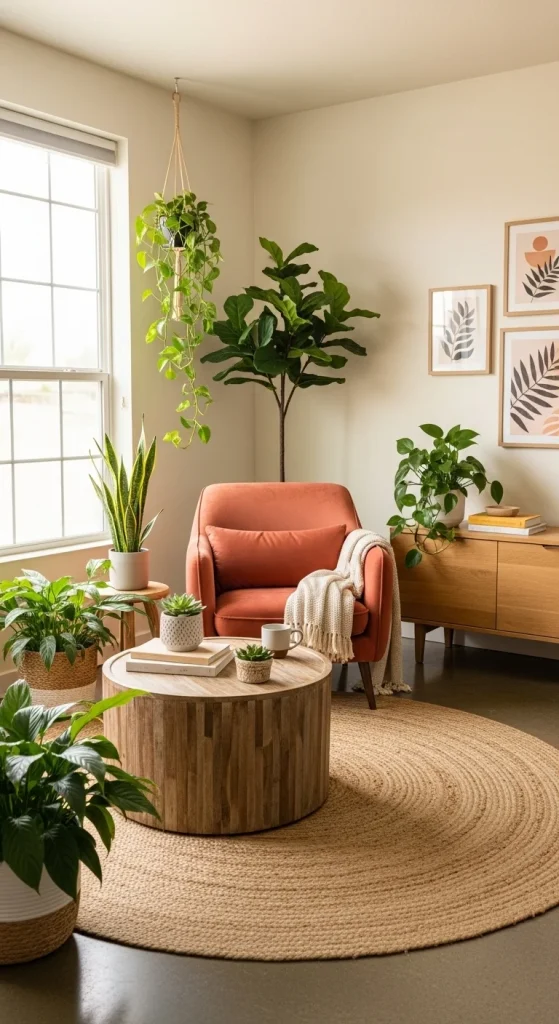
When using strong colours, balance them with natural materials to keep the space grounded.
Try adding:
- Wooden furniture
- Jute rugs
- Woven baskets
- Plants
- Linen or cotton fabrics
These textures soften colour-heavy spaces and make them feel more inviting.
Mix Patterns and Colours Carefully
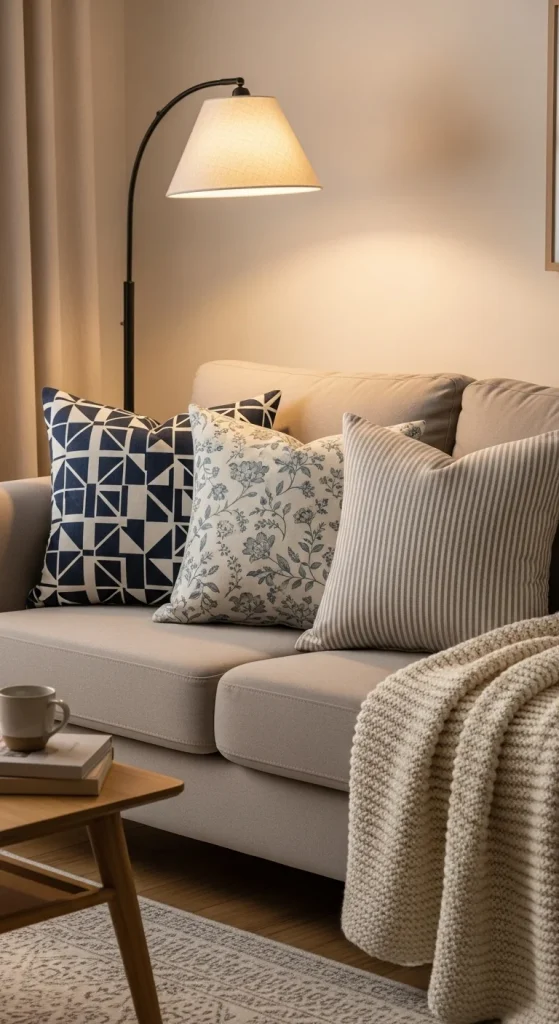
Patterns are a great way to add colour—but mixing too many can overwhelm a room. The key is choosing patterns that share similar tones.
Tips for easy mixing:
- Combine one bold pattern with two subtle ones
- Stick to a shared colour family
- Use patterns in different sizes for harmony (large + medium + small)
This keeps your room looking lively without feeling chaotic.
Don’t Forget the Power of White Space
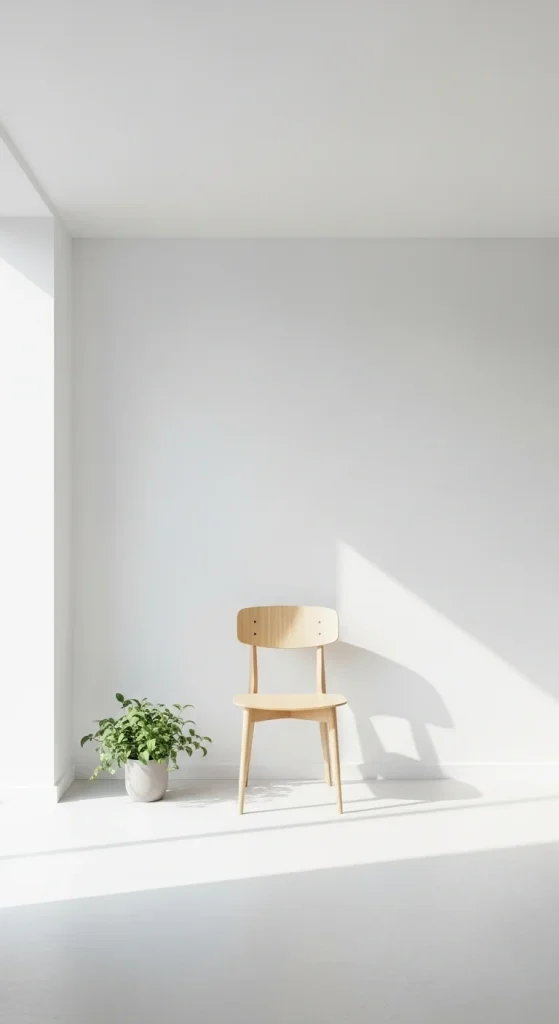
White space (or empty space) lets colour shine without competition. It gives the eye a place to rest and keeps your décor looking intentional.
This means:
- Not every wall needs art
- Not every sofa needs multiple pillows
- Not every corner needs furniture
Sometimes the most stylish rooms are the ones that know when to stop.
Takeaway
Colour doesn’t have to be scary. With the right balance, you can create a home that feels warm, stylish, and beautifully layered—without ever overdoing it. Start with a neutral base, choose a simple palette, and use colour mindfully through small accents or bold, balanced choices.
If you loved these ideas, save this guide for later!
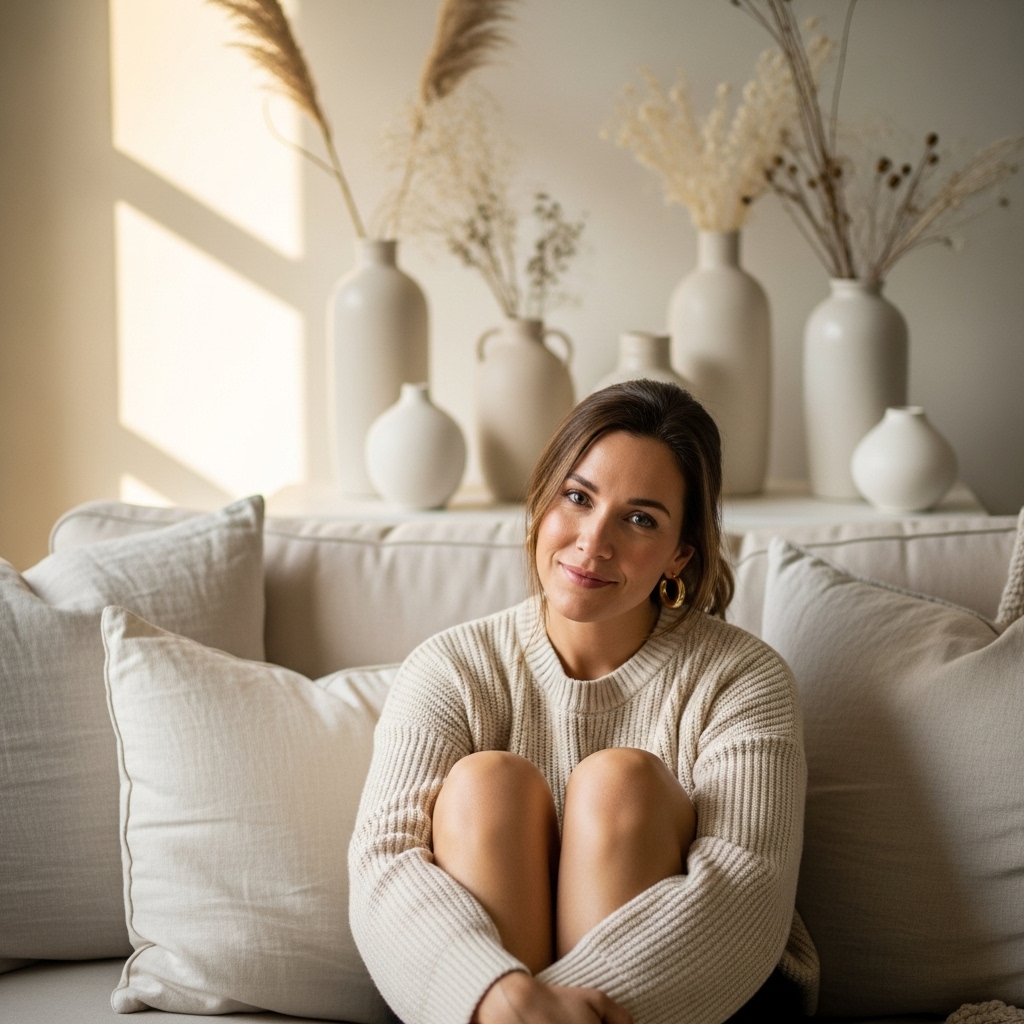
Emily Parker is a home décor enthusiast and design blogger who believes every space deserves a touch of warmth and personality. With a love for cozy neutrals, modern textures, and DIY styling, she shares simple, beautiful ways to make your home feel like you. When she’s not rearranging throw pillows, you’ll find her hunting vintage finds or sipping coffee while planning her next room refresh.
Leave a Reply