

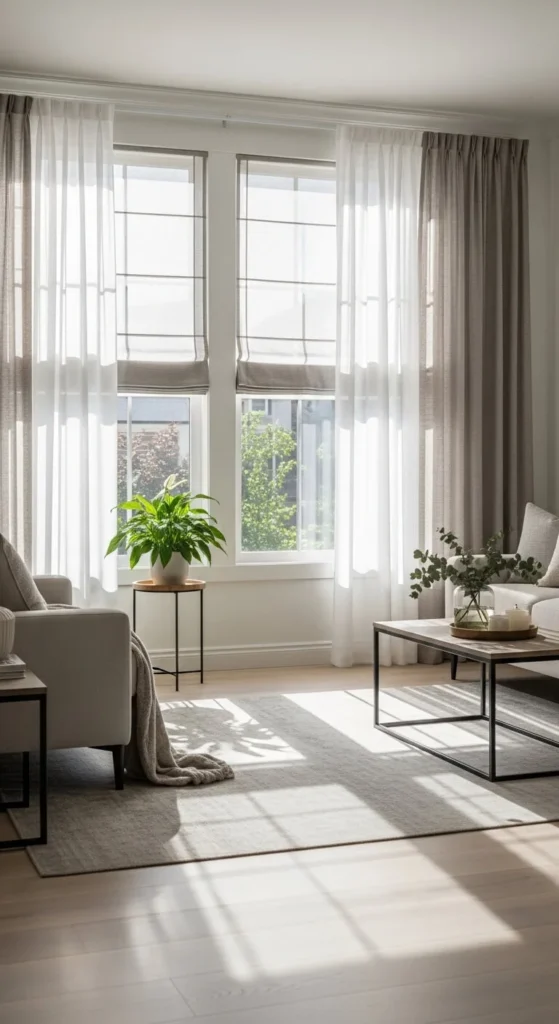
Natural light can make a room feel open and calm. Yet bare windows often leave a home feeling exposed. Window treatments solve that problem. They control light, give privacy, and shape the mood of a room.
The good news is you don’t need expensive custom designs to get great results. Simple curtains, shades, and creative DIY ideas can change the entire feel of a space.
This list shares practical window treatment ideas that are easy to try. Many use low-cost materials from local stores or items you may already have at home. Each option blends privacy with style so your windows work better every day.
1. Layer Sheer Curtains With Thick Drapes
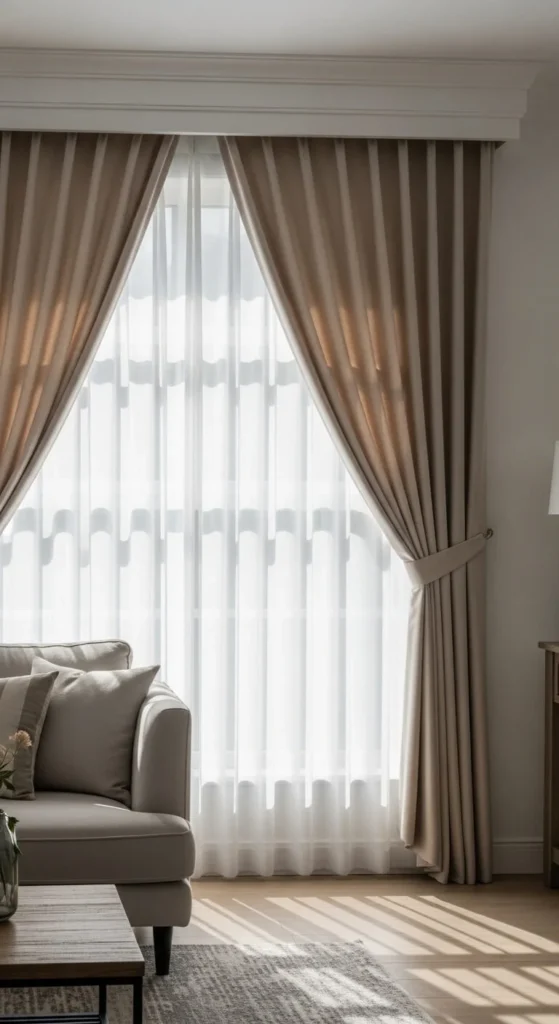
Layered curtains give flexibility throughout the day.
Sheer panels allow sunlight to enter while still blocking direct views from outside. At night, thick drapes close completely for full privacy.
This approach works in living rooms and bedrooms. It also adds depth to the window area without major changes.
Budget tip:
Use inexpensive sheer panels from discount home stores. Pair them with slightly heavier curtains you already own.
DIY example:
Install a double curtain rod. Hang the sheer curtains on the inner rod and thicker drapes on the outer rod.
You can also mix colors. Light sheers with darker drapes create contrast that looks stylish.
Layered curtains also soften harsh sunlight. Rooms feel calmer and more comfortable.
Small detail:
Choose curtain lengths that reach the floor. Even simple fabrics look better when they hang neatly.
2. Use Bamboo Shades for Natural Texture
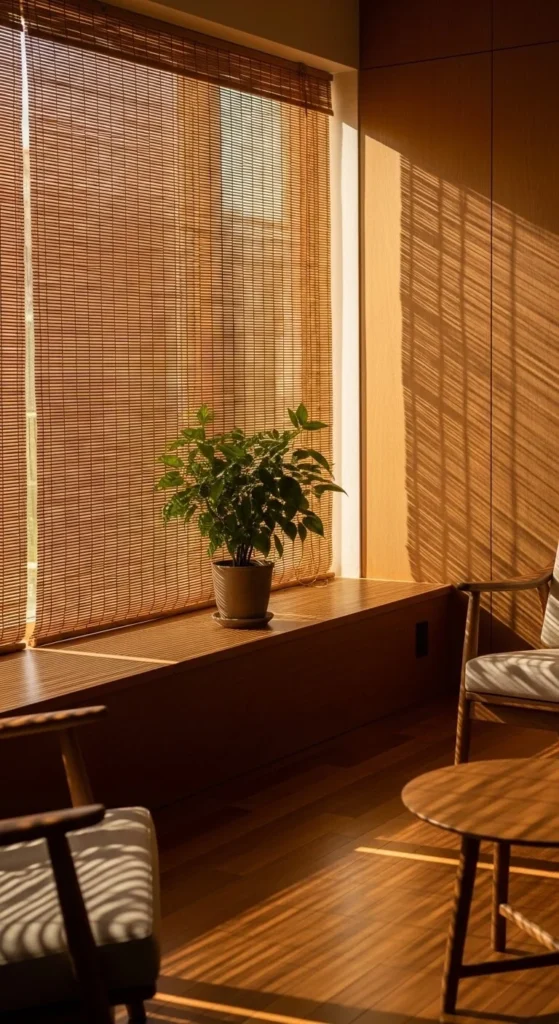
Bamboo shades add warmth and privacy at the same time.
They filter light instead of blocking it completely. This keeps the room bright while reducing visibility from outside.
These shades work well in kitchens, sunrooms, and living spaces.
Budget tip:
Many home stores sell ready-made bamboo shades at affordable prices.
DIY idea:
Install the shade slightly above the window frame. This makes the window appear taller.
Bamboo also pairs nicely with curtains. You can place sheer curtains on each side for a layered look.
Maintenance is simple. Dust them occasionally with a dry cloth.
Natural textures also make modern rooms feel less plain.
3. Try Frosted Window Film
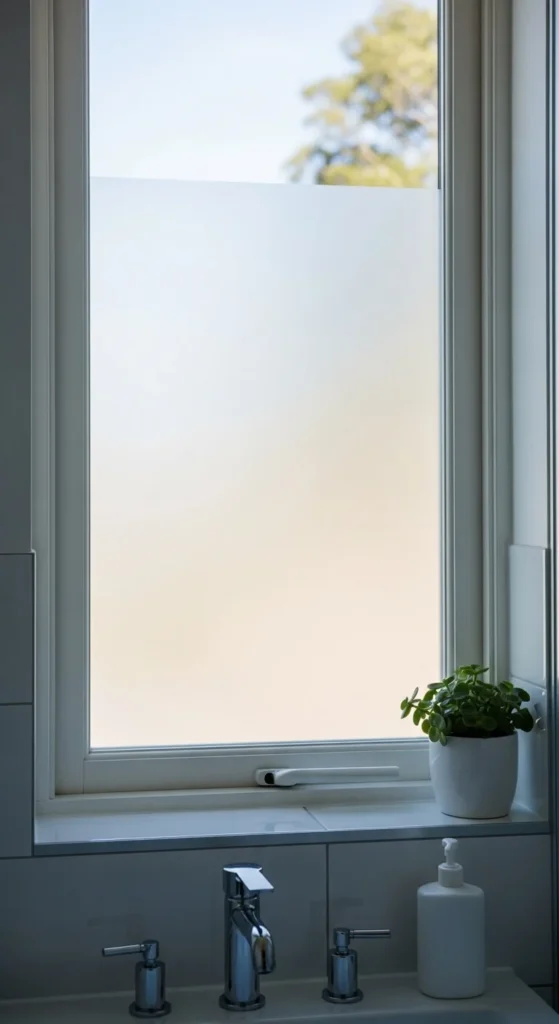
Frosted film is one of the easiest privacy solutions.
It sticks directly onto the glass. Light passes through, but outside views become blurred.
This option works well for bathrooms and street-facing windows.
Budget tip:
Privacy film is inexpensive and sold in rolls online or in hardware stores.
DIY steps are simple:
Clean the glass. Spray water lightly. Apply the film and smooth bubbles using a card.
The result looks similar to etched glass.
Another advantage is zero curtain maintenance. No washing or ironing.
If you want patterns, many films come with geometric or decorative designs.
They can also be removed later without damaging the glass.
4. Install Roman Shades
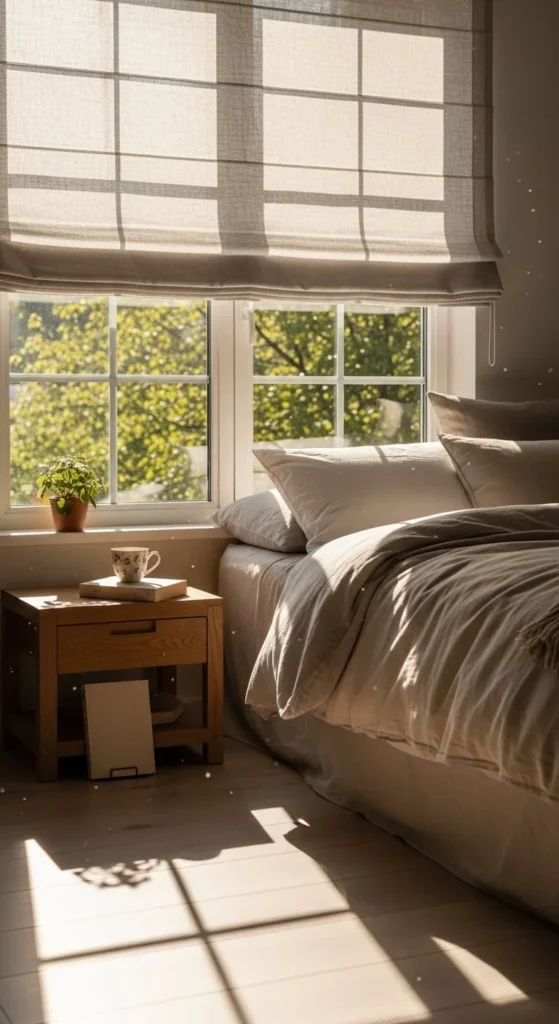
Roman shades bring a tailored look to windows.
When raised, the fabric folds into clean horizontal layers. When lowered, the shade appears smooth and neat.
This style works well in bedrooms and dining areas.
Budget tip:
Use affordable cotton fabric instead of expensive materials.
DIY version:
Convert mini blinds into Roman shades using fabric glue. Many tutorials show the process.
Roman shades also save space. They sit close to the window rather than spreading across walls.
Choose light fabrics if you want a bright room. Use thicker fabrics for stronger privacy.
Patterns can also add personality to simple rooms.
5. Hang Café Curtains
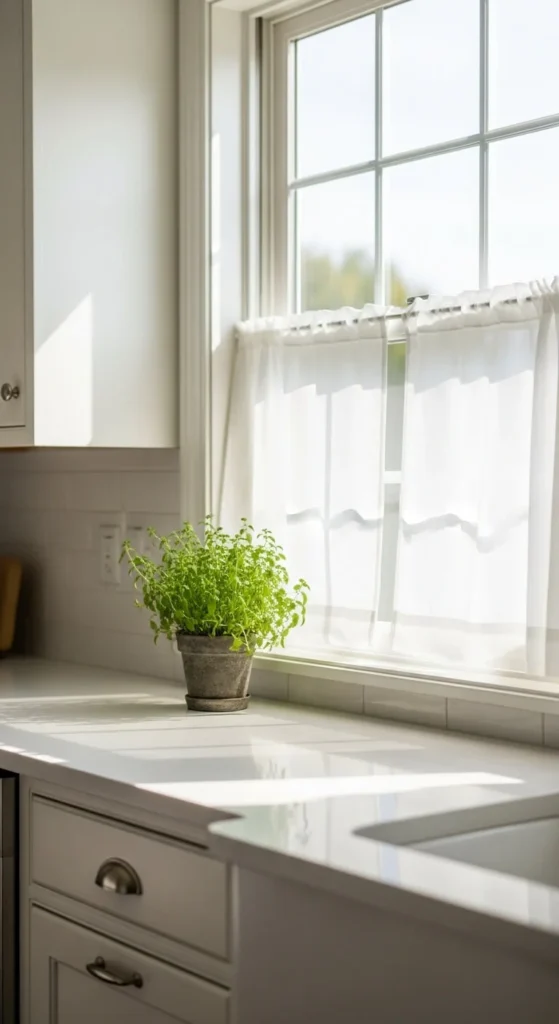
Café curtains cover the lower half of a window.
The top section stays open for sunlight.
This style works well in kitchens and breakfast corners.
Privacy stays intact because people outside can’t see directly inside.
Budget tip:
Use lightweight cotton fabric or even repurpose old tablecloths.
DIY installation is simple.
Attach a small curtain rod halfway up the window frame.
Short curtains also require less fabric, which keeps costs low.
Patterns like stripes or small florals add charm.
Café curtains create a cozy feeling without darkening the room.
6. Use Patterned Roller Shades
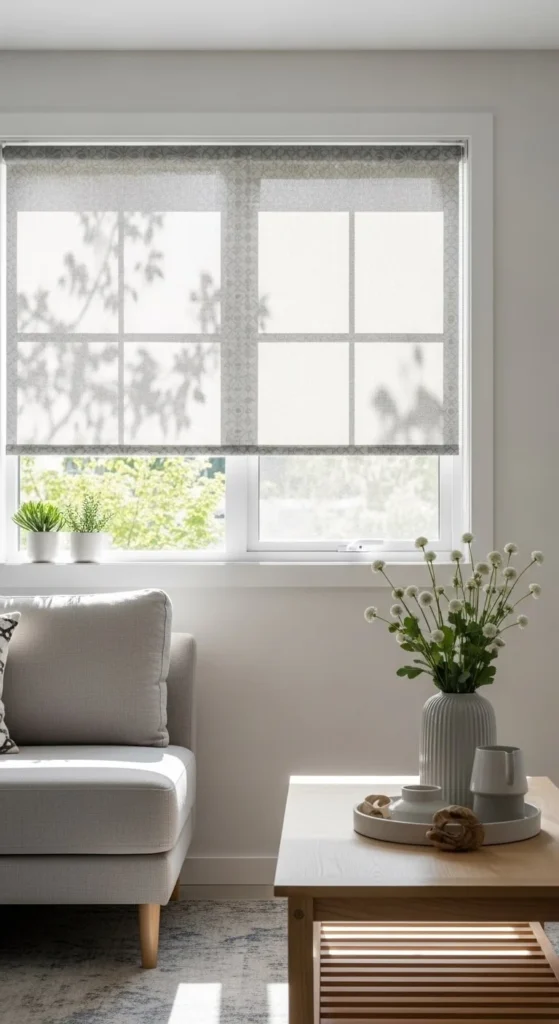
Roller shades are clean and simple.
Adding patterns makes them feel more decorative.
These shades roll up neatly during the day and drop down for privacy.
Budget tip:
Many stores sell printed roller shades at affordable prices.
DIY trick:
Buy plain roller shades and paint patterns using fabric paint and stencils.
Geometric shapes or simple lines work well.
Roller shades suit modern homes because they stay minimal.
They also work well in small rooms where bulky curtains may feel crowded.
7. Add Curtain Tiebacks for Flexible Privacy
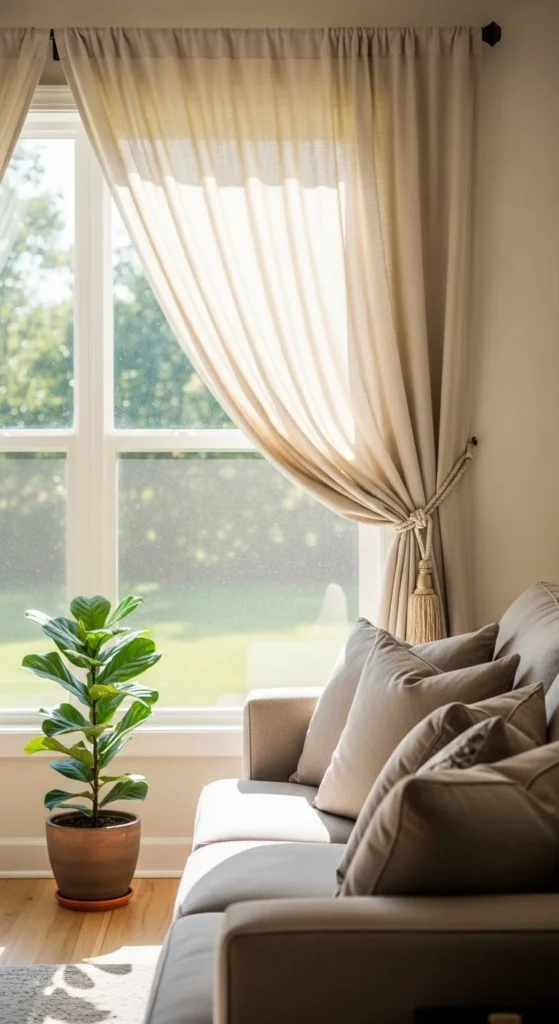
Curtain tiebacks change how curtains hang.
During the day, they pull fabric to the sides and let light enter.
At night, simply release them and close the curtains fully.
Budget tip:
Tiebacks can be made using rope, ribbon, or braided fabric.
DIY idea:
Use wooden beads and string to create simple decorative tiebacks.
Tiebacks also highlight curtain fabric and create elegant folds.
Even basic curtains look better when styled this way.
8. Install Wooden Blinds
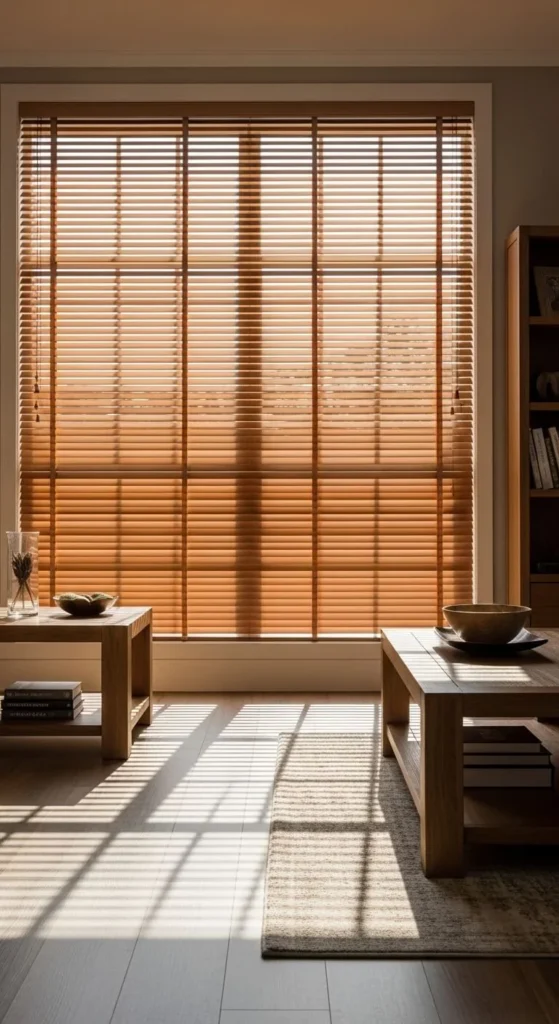
Wooden blinds give strong light control.
You can tilt the slats to adjust privacy.
They also match many interior styles.
Budget tip:
Faux wood blinds often cost less and resist moisture better.
These blinds work well in living rooms, offices, and bedrooms.
They are easy to clean with a microfiber cloth.
Wood tones also add warmth to simple rooms.
9. Try Colorful Curtains for Personality
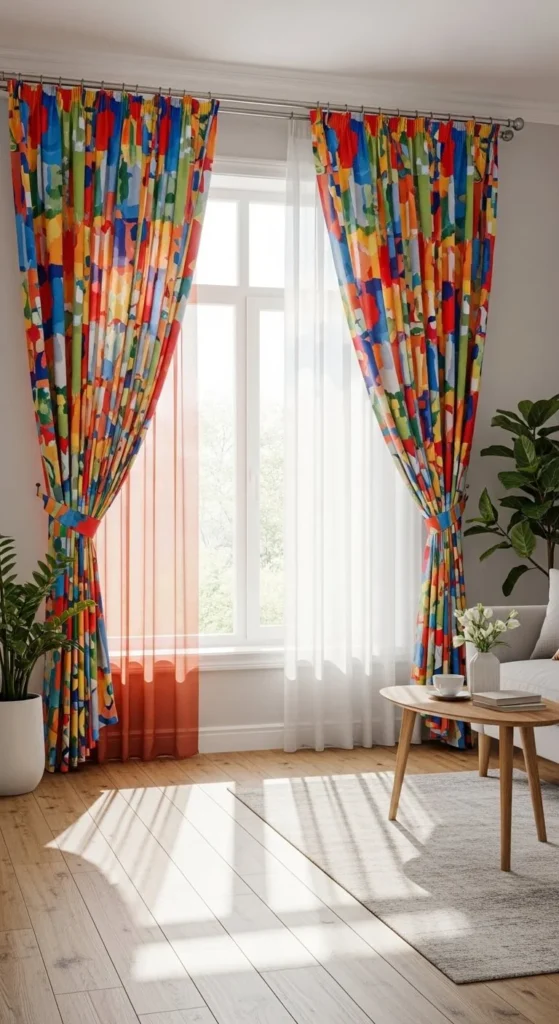
Curtains do more than block light.
They can also add color to a plain room.
If your walls and furniture are neutral, bold curtains create contrast.
Budget tip:
Look for clearance fabric or ready-made panels.
DIY option:
Dye plain white curtains using fabric dye.
This creates custom colors at a low cost.
Bright curtains instantly change the mood of a room.
10. Use Double Curtain Rods
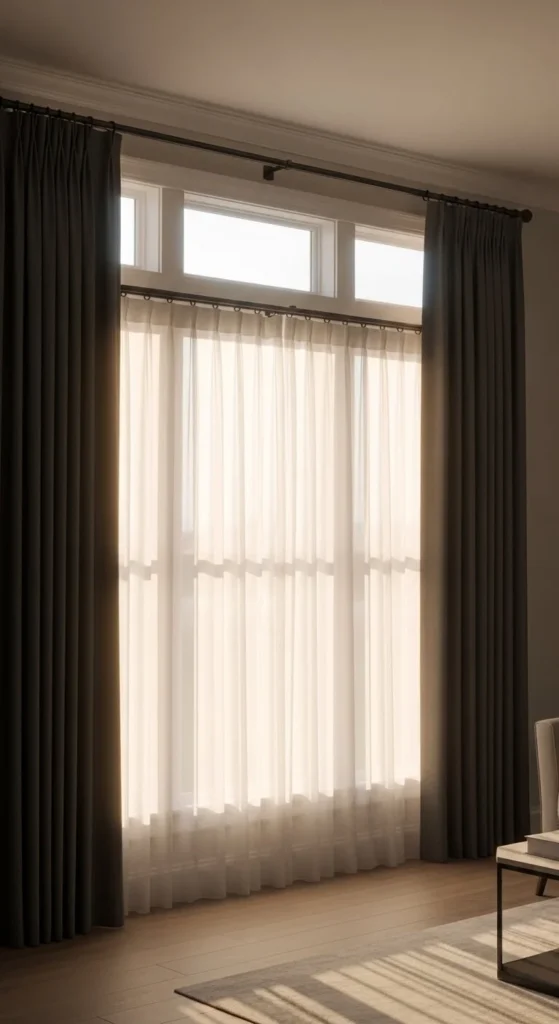
Double rods allow two curtain layers.
One layer filters light. The other blocks it completely.
This setup is great for bedrooms.
Budget tip:
Many adjustable double rods are affordable.
You can combine inexpensive fabrics for a custom look.
11. Hang Floor-Length Curtains
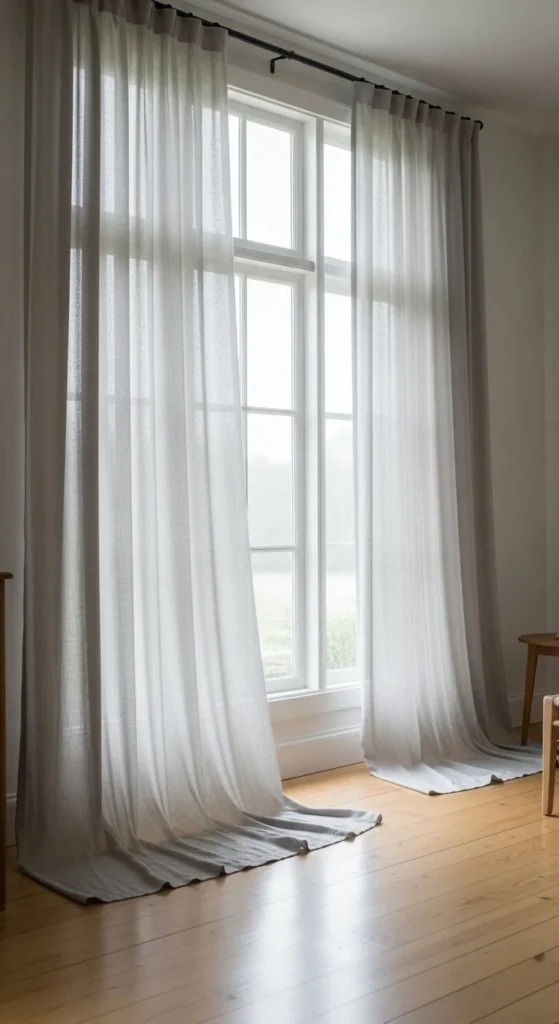
Curtains that reach the floor look polished.
They make windows appear taller.
Even small rooms feel more refined.
Budget tip:
Buy longer panels and hem them yourself using fabric tape.
12. Use Window Shutters
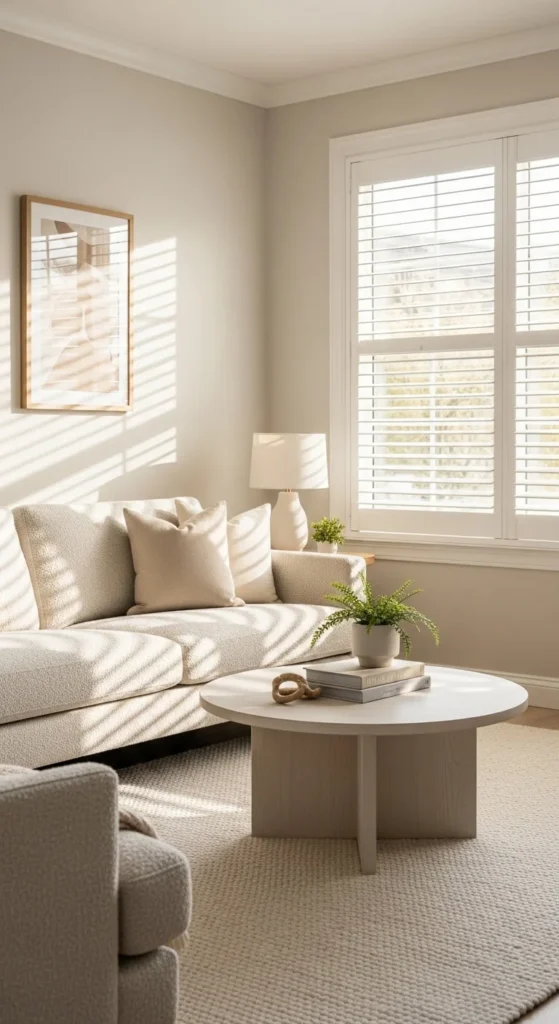
Shutters provide strong privacy and light control.
They also last many years.
You can open the panels fully or tilt the slats.
Budget tip:
Look for second-hand shutters online or at salvage stores.
13. Install Simple Valances
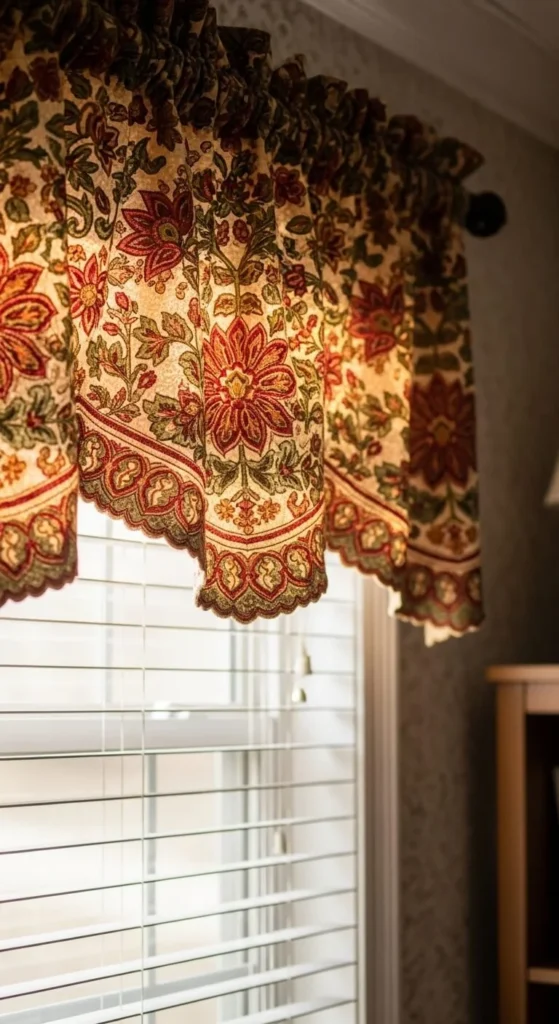
Valances sit across the top of windows.
They hide curtain rods and add decoration.
Pair them with blinds or shades for privacy.
DIY tip:
Use leftover fabric or table runners.
14. Try Lace Curtains
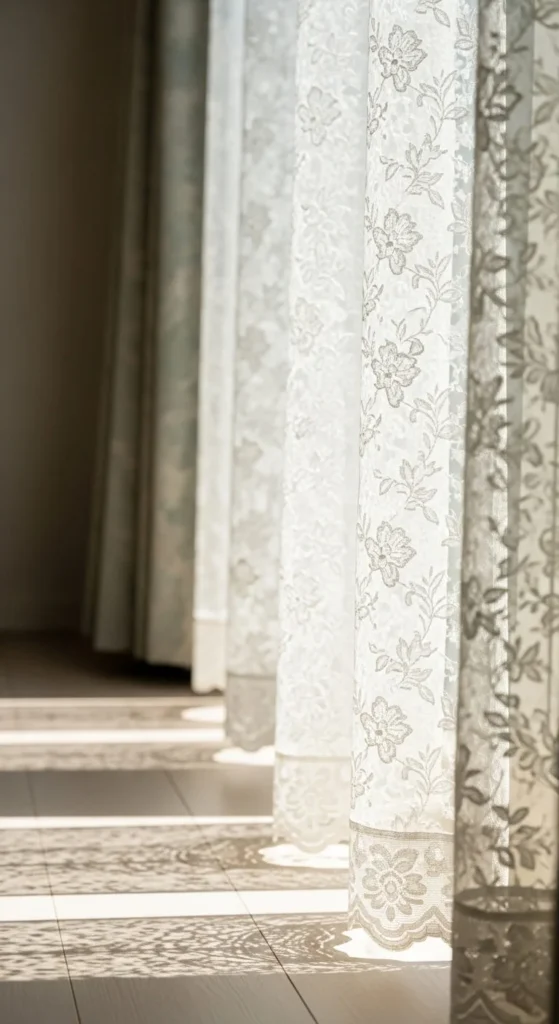
Lace curtains soften light beautifully.
They give privacy while keeping rooms bright.
These curtains work well in bedrooms and reading spaces.
Budget tip:
Thrift stores often sell lace curtains cheaply.
15. Use Fabric Window Panels
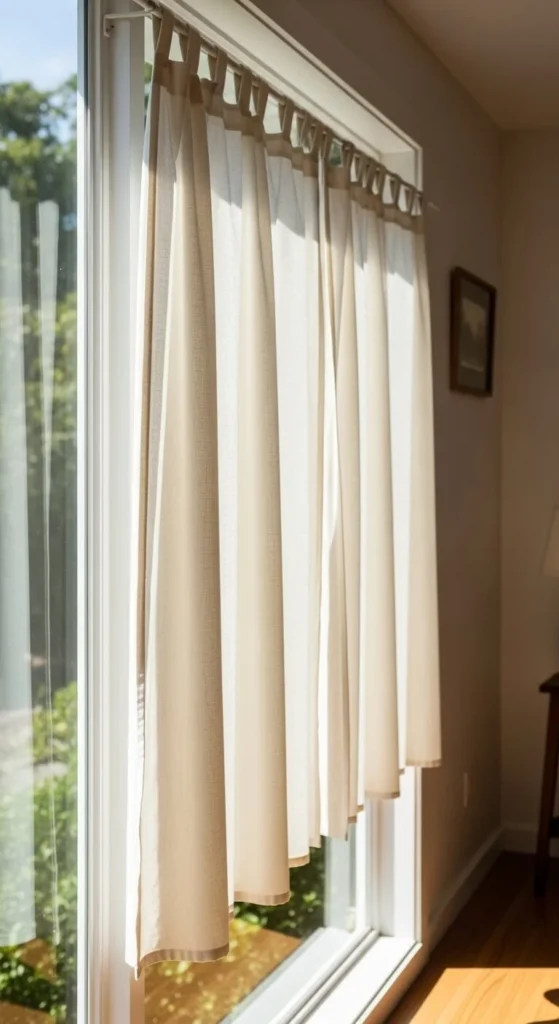
Fabric panels are simple and flexible.
They frame windows without covering them fully.
Close them when privacy is needed.
DIY idea:
Use drop cloth fabric for a casual look.
16. Add Beaded Curtains for Texture
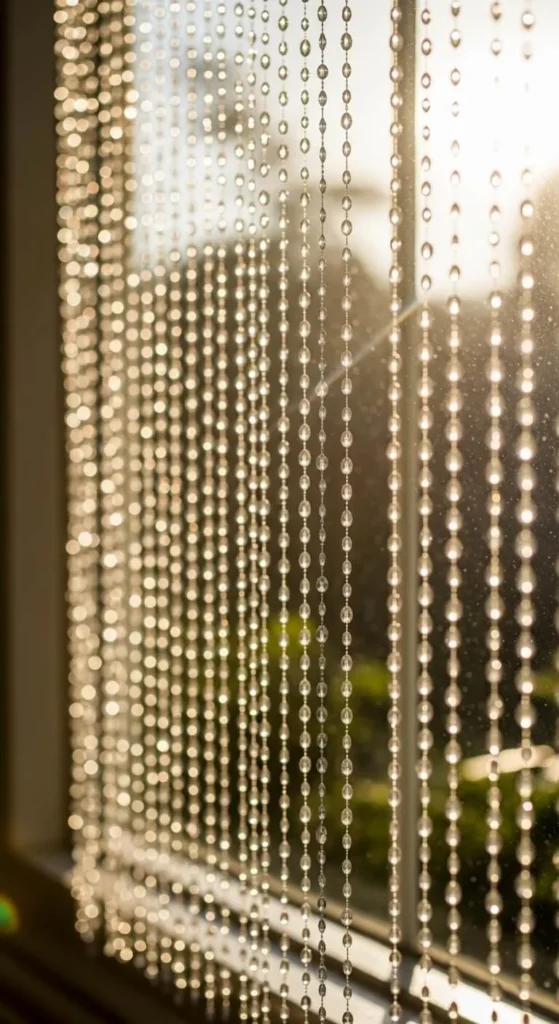
Beaded curtains add texture and visual interest.
They don’t block all light but break direct views.
This option works well in creative spaces.
DIY idea:
Make one using wooden beads and fishing line.
17. Use Layered Shades
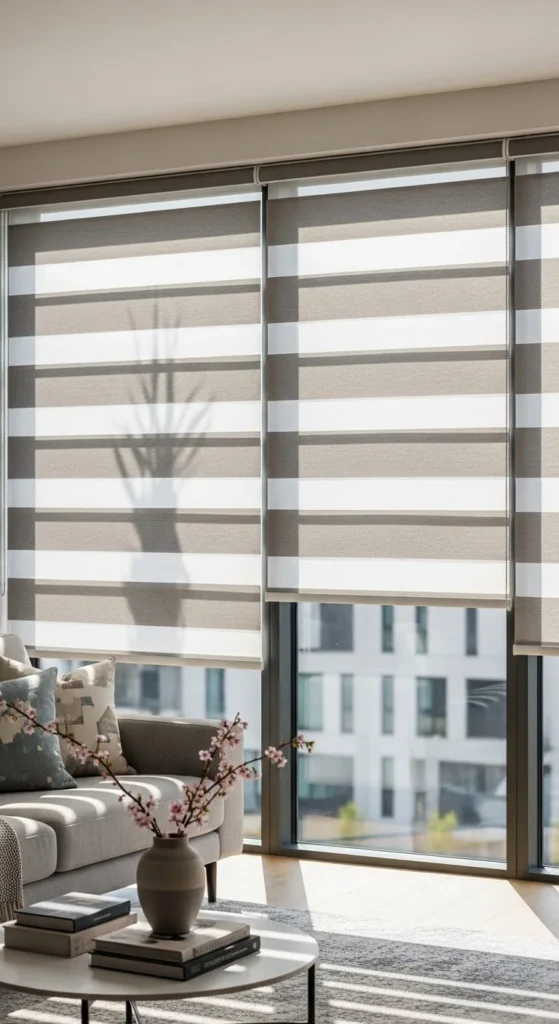
Layered shades combine sheer and solid sections.
Adjusting them changes light levels quickly.
They provide privacy while keeping rooms bright.
18. Hang Curtains Higher Than the Window
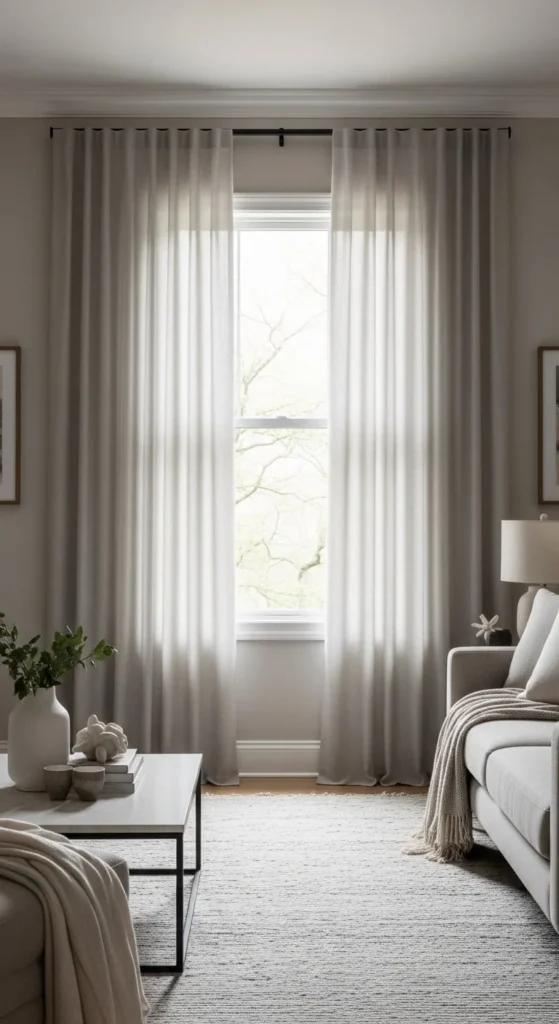
Mounting rods higher changes the room visually.
Windows appear larger and ceilings seem taller.
This simple trick costs nothing extra.
Just place the rod 6–10 inches above the frame.
19. Use Neutral Linen Curtains
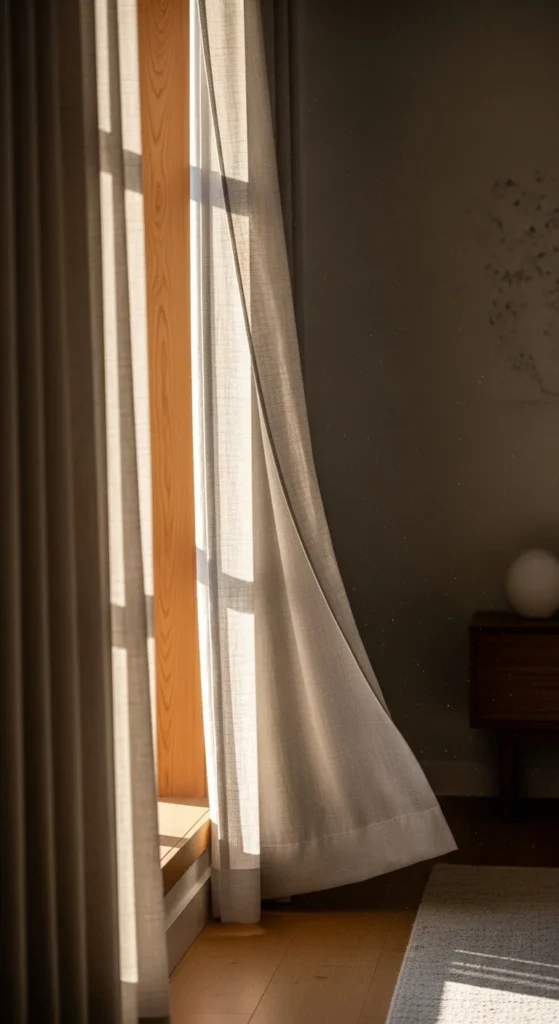
Linen curtains feel light and relaxed.
Neutral colors match almost any room style.
They also allow gentle daylight to pass through.
Budget tip:
Cotton-linen blends often cost less.
20. Install Blackout Curtains for Bedrooms
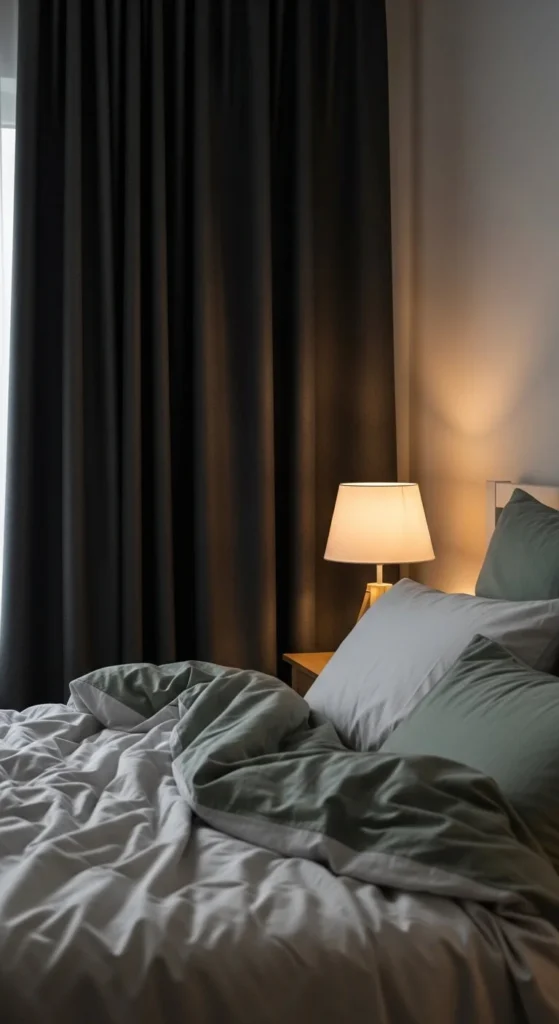
Blackout curtains block outside light almost completely.
They help people sleep better.
They also add privacy in busy neighborhoods.
Budget tip:
Use blackout liners behind regular curtains.
This gives the same effect at lower cost.
21. Try Minimal Curtain Clips
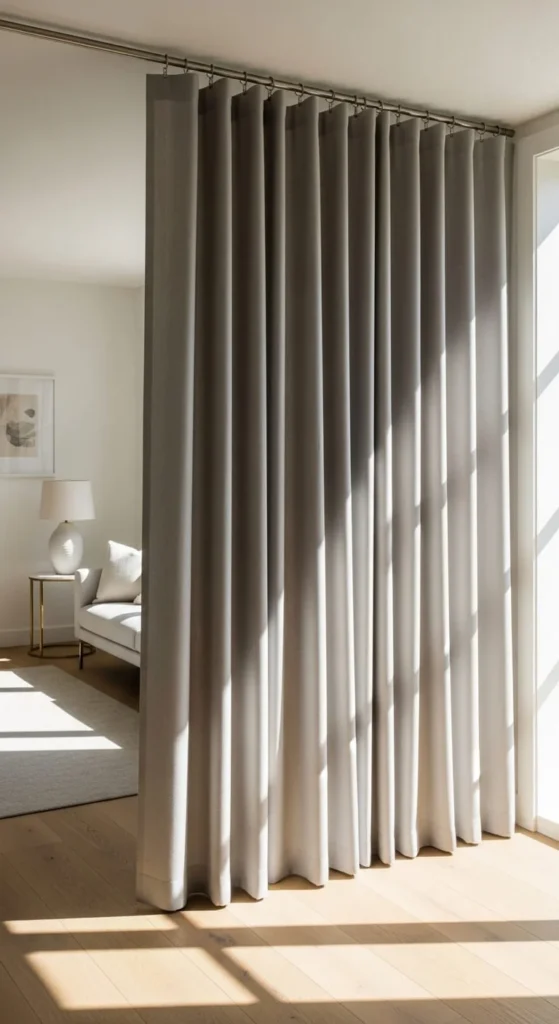
Curtain clips create a relaxed modern look.
They hold fabric panels without sewing.
Budget tip:
Use inexpensive drop cloth fabric.
Simply clip the fabric and hang it.
This setup works well in apartments or rental homes.
22. Combine Shades and Curtains
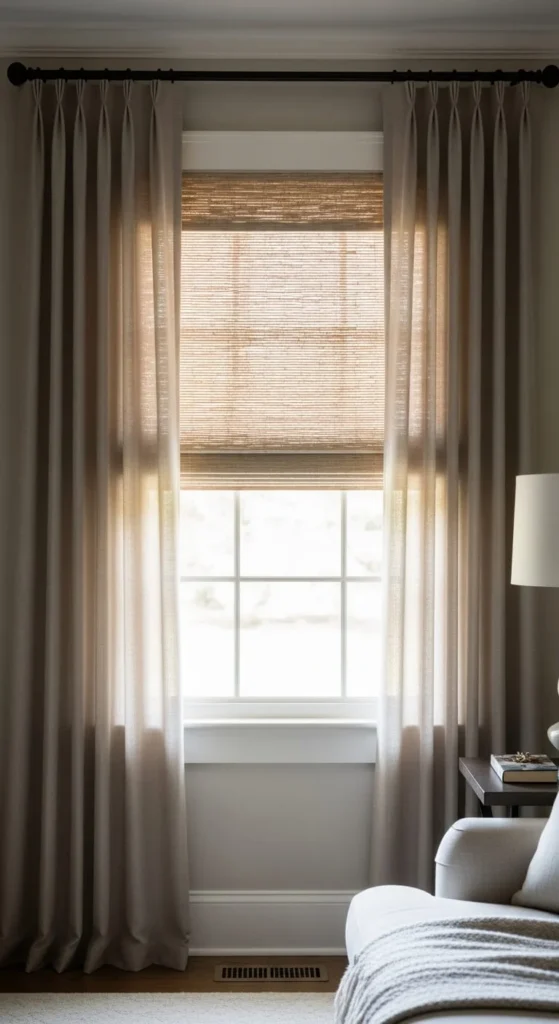
Combining two treatments adds style and privacy.
Shades handle light control. Curtains soften the room.
This layered approach works in almost any space.
Budget tip:
Use affordable roller shades with simple curtains.
The mix creates a designer look without a large budget.
Conclusion
Window treatments shape how a room feels. They manage sunlight, protect privacy, and add personality to simple spaces.
The good news is that many stylish options cost very little. Simple curtains, shades, or DIY ideas can change the look of a window in just an afternoon.
Try one or two ideas from this list and see how the space changes. Small adjustments around windows often create one of the biggest improvements in a home.

Emily Parker is a home décor enthusiast and design blogger who believes every space deserves a touch of warmth and personality. With a love for cozy neutrals, modern textures, and DIY styling, she shares simple, beautiful ways to make your home feel like you. When she’s not rearranging throw pillows, you’ll find her hunting vintage finds or sipping coffee while planning her next room refresh.
Leave a Reply