

Every beautifully designed room has something that instantly draws your attention. It could be a stunning piece of artwork, a fireplace, a statement sofa, or even a large window with natural light. This element is called a focal point, and it helps give a room direction and purpose.
Without a focal point, rooms can feel scattered or visually confusing. But when you design around one strong feature, everything suddenly feels more balanced and intentional.
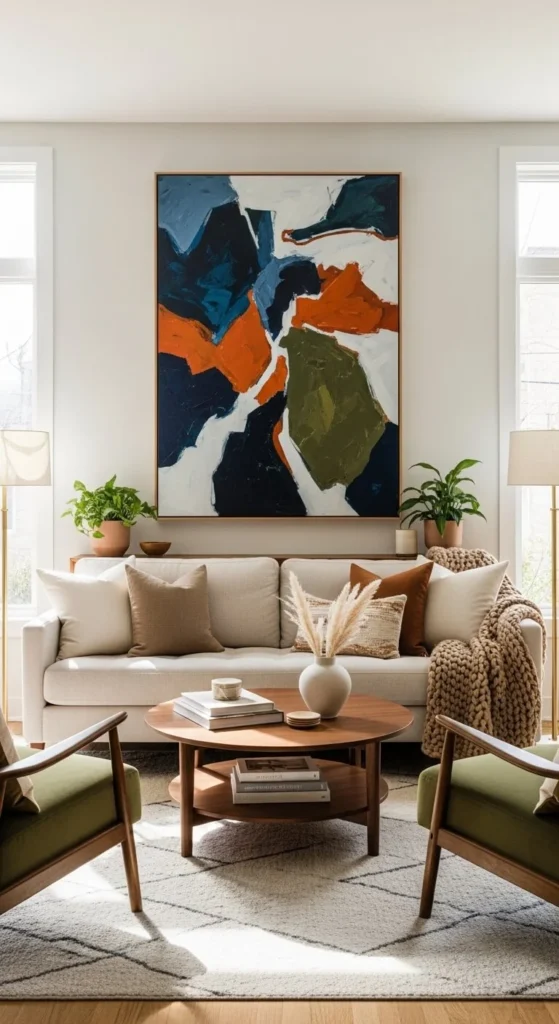
If you want your space to feel more polished and professionally styled, learning how to decorate with a strong focal point is a great place to start.
Identify the Natural Focal Point in the Room
Many rooms already have a built-in focal point—you just need to recognize it.
Common natural focal points include:
- Fireplaces
- Large windows
- Architectural details
- Built-in shelving
- Statement lighting fixtures
Before adding new decor, take a moment to notice what already stands out in the space.
If your room has a beautiful window or fireplace, let it lead the design.
Arrange furniture and decor to highlight that feature.
Create a Focal Point If One Doesn’t Exist
Not every room comes with a natural centerpiece. In that case, you can easily create one.
Great focal point ideas include:
- A large framed artwork
- A gallery wall
- A bold sofa
- A statement mirror
- A feature wall with paint or wallpaper
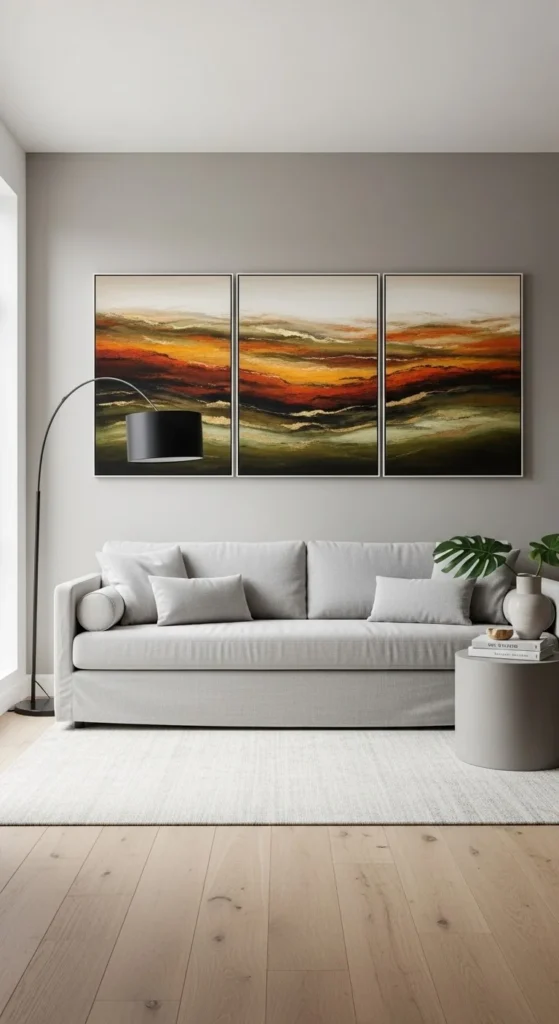
The goal is to introduce one element that naturally attracts the eye.
Once the focal point is established, the rest of the room should support it rather than compete with it.
Arrange Furniture Around the Focal Point
Furniture layout plays a huge role in emphasizing a focal point.
Instead of placing furniture randomly, orient it toward the central feature.
For example:
- Sofas facing the fireplace
- Chairs angled toward a statement coffee table
- Seating positioned toward a large window view
This arrangement creates a natural sense of balance.
It also makes the room feel more welcoming and functional.
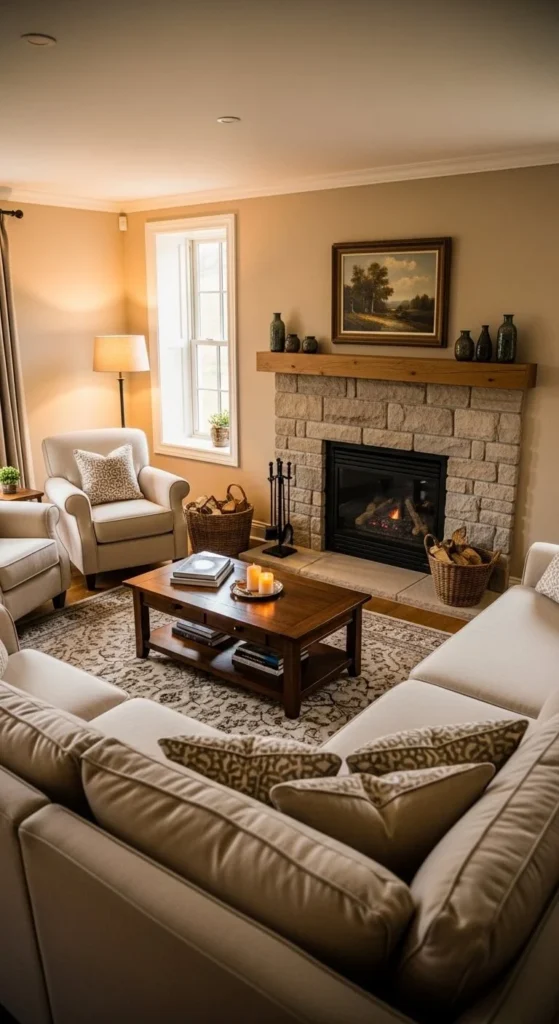
The focal point becomes the heart of the room.
Use Lighting to Highlight the Feature
Lighting can strengthen a focal point dramatically.
Strategic lighting draws attention and creates visual emphasis.
Consider using:
- Wall sconces beside artwork
- Spotlights above a gallery wall
- Table lamps highlighting decorative pieces
- Floor lamps near statement furniture
Soft lighting adds depth and ensures the focal point stands out even at night.
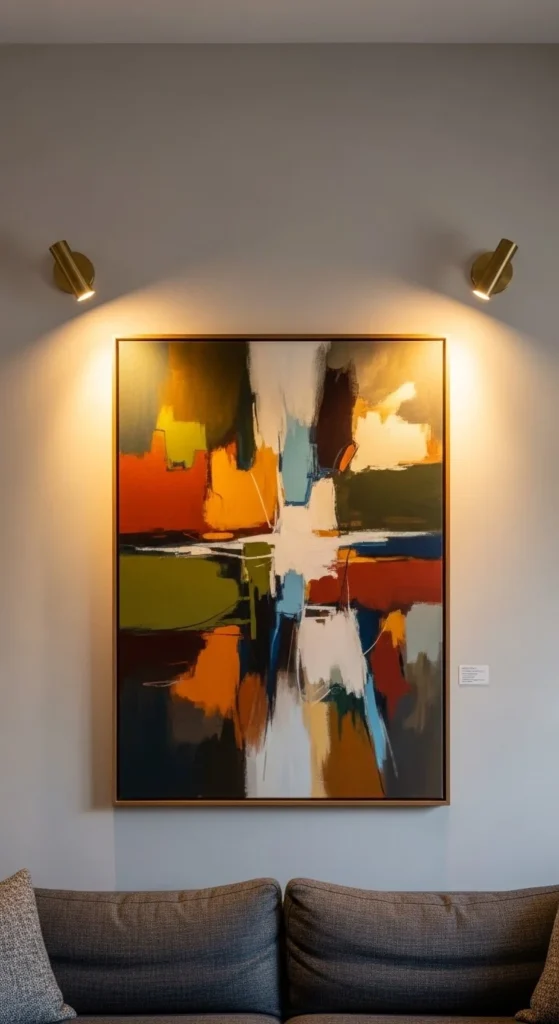
Lighting helps guide the viewer’s eye toward the centerpiece.
Keep the Surroundings Simple
When you have a strong focal point, simplicity around it is key.
Too many competing elements can weaken the impact.
To maintain balance:
- Use neutral colors around the focal point
- Avoid placing large decor items nearby
- Keep surrounding furniture understated
This allows the focal point to shine without distractions.
Sometimes the most effective design move is restraint.
Add Supporting Decor
While the focal point should dominate the room visually, supporting decor helps tie everything together.
These smaller elements should complement the focal point rather than overpower it.
Examples include:
- Throw pillows that echo the focal point color
- Rugs that frame the seating area
- Decorative accessories that repeat shapes or tones
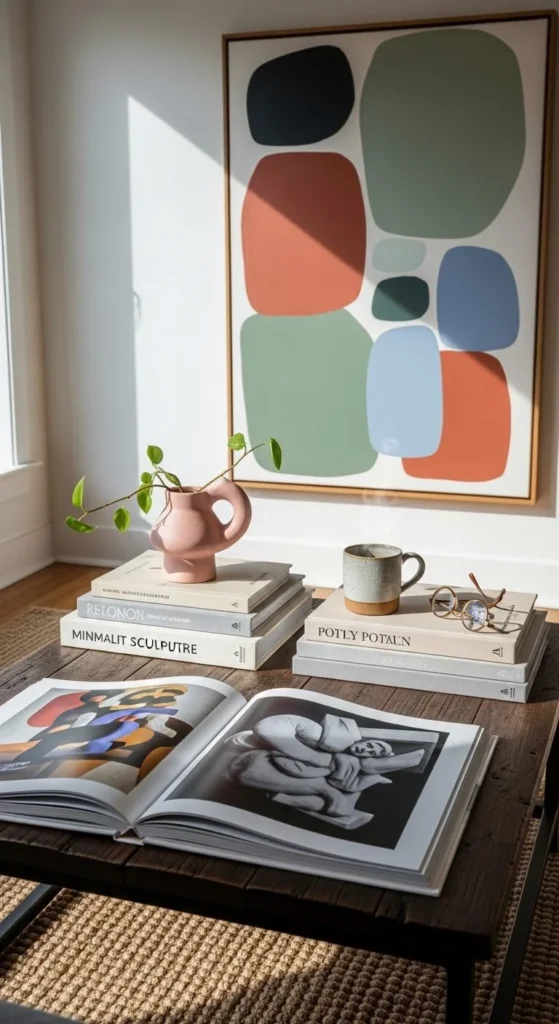
Supporting pieces help create harmony throughout the space.
Use Color and Contrast Strategically
Contrast can strengthen a focal point.
For instance:
- A dark accent wall behind light furniture
- Bold artwork on a neutral wall
- A bright sofa in a neutral room
Contrast makes the focal feature more noticeable.
However, it’s important to keep the rest of the palette balanced so the room doesn’t feel overwhelming.
Avoid Competing Focal Points
One common design mistake is having too many competing centerpieces.
For example:
- A bold fireplace
- A dramatic artwork
- A bright statement sofa
If all three demand attention, the room can feel chaotic.
Instead, choose one primary focal point and let other elements play supporting roles.
This creates visual clarity.
Why Focal Points Matter in Design
Focal points help guide how people experience a room.
They:
- Create visual structure
- Improve balance
- Make rooms feel intentional
- Highlight beautiful design elements
Without a focal point, the eye has nowhere to rest.
With one, the room immediately feels more organized and inviting.
Final Thoughts
Decorating with a strong focal point is one of the simplest ways to improve any room. Start by identifying a natural centerpiece or creating one with artwork, furniture, or architectural features. Arrange furniture around it, use lighting to highlight it, and keep surrounding decor simple.
When everything works together to support a single visual focus, the room instantly feels more stylish and well designed.
Save this guide for later and start transforming your rooms with powerful focal points.

Emily Parker is a home décor enthusiast and design blogger who believes every space deserves a touch of warmth and personality. With a love for cozy neutrals, modern textures, and DIY styling, she shares simple, beautiful ways to make your home feel like you. When she’s not rearranging throw pillows, you’ll find her hunting vintage finds or sipping coffee while planning her next room refresh.
Leave a Reply